In a groundbreaking effort to unravel the mysteries of rare diseases, a recent Germany-wide study has leveraged cutting-edge genetic diagnostics to make significant strides in understanding these elusive conditions. Researchers, employing exome sequencing (ES), have analyzed data from 1,577 patients, leading to successful diagnoses in 499 cases and revealing 34 previously unknown genetic conditions.

Unveiling the Genetic Secrets

The study, which has been published in the esteemed journal Nature Genetics, marks a pivotal advancement in identifying the genetic underpinnings of ultra-rare diseases. The researchers utilized innovative technologies, including the “GestaltMatcher” AI software, designed to assist in diagnosing rare diseases through facial feature analysis. This tool plays a crucial role in early diagnostics by matching phenotypes to genotypes, highlighting the clinical benefit of AI integration.

Further research under the MVGenomSeq project aims to address unresolved cases using new methods like long-read sequencing. This approach seeks to uncover genetic changes missed by traditional tools, potentially paving the way for additional diagnoses.

Collaborative Efforts Across Institutions


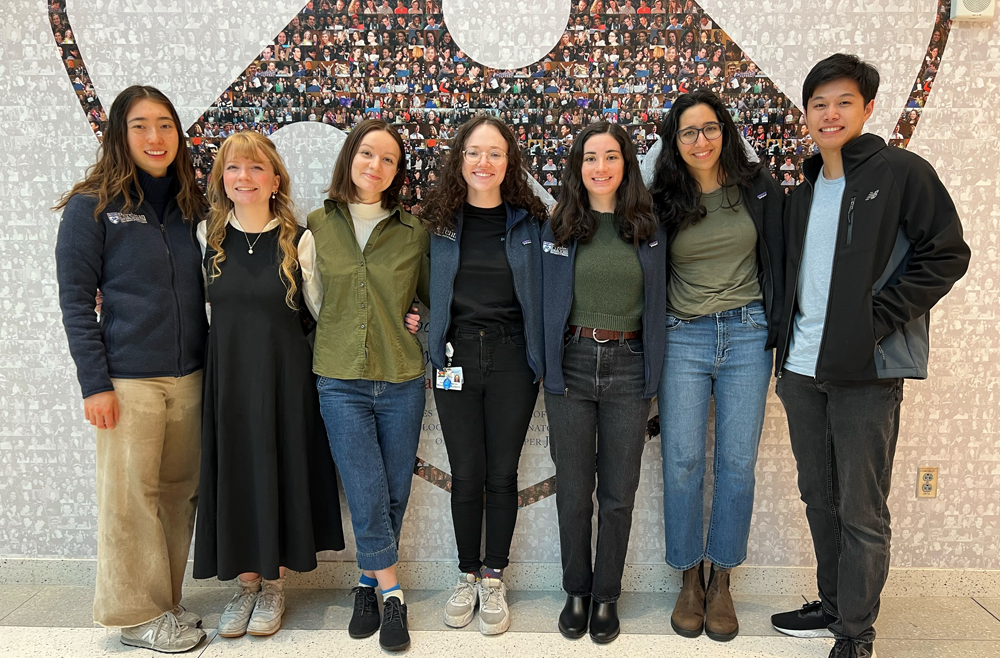
Institutions such as the University Hospital Bonn, Charité-Universitätsmedizin Berlin, and Klinikum rechts der Isar of the Technical University of Munich have collaborated in this groundbreaking work. According to Dr. Theresa Brunet and Dr. Magdalena Danyel, the interdisciplinary approach involving case conferences plays a critical role in understanding patient phenotypes, thereby enhancing the effectiveness of genetic diagnostics.

The Role of AI in Healthcare


The integration of AI tools like GestaltMatcher into clinical settings provides swift support, especially for pediatricians during routine screenings. This study underscores the transformative role of AI in healthcare, offering a framework for continued exploration and understanding of rare genetic diseases through cutting-edge technology and collaborative efforts.

Overall, this project sets a precedent for future research, emphasizing the power of collaborative efforts in unveiling new medical insights and improving patient care.


More Articles

Getting licensed or staying ahead in your career can be a journey—but it doesn’t have to be overwhelming. Grab your favorite coffee or tea, take a moment to relax, and browse through our articles. Whether you’re just starting out or renewing your expertise, we’ve got tips, insights, and advice to keep you moving forward. Here’s to your success—one sip and one step at a time!

The Digital Healthcare Revolution: Transforming Patient Care with Technology

The global digital health market is set to skyrocket, with projections estimating it will reach $551.09 billion by 2027. This growth is fueled by innovations that are setting new benchmarks in healthcare delivery.

By |November 28, 2024|Categories: Article, Healthcare, Technology|Tags: , |0 Comments

University of Pennsylvania Pioneers the Planetary Health Curriculum

This innovative program equips medical students with the knowledge to understand and mitigate the effects of climate change on human health.

The Deep-Learning Triple Threat Transforming Medical Imaging

AI is being hailed as a "triple threat" in radiology, impacting planning, scanning, and diagnosis. As detailed in a recent column by Kelly Londy of GE HealthCare, these intelligent imaging systems are ushering in seismic changes reminiscent of the transformative impact of computer-assisted tomography in the late 20th century.

Federal Reserve’s Interest Rate Cut: Implications for the Housing Market

In a significant move that has captured the attention of economists and homebuyers alike, the Federal Reserve recently announced a half-percentage-point cut in interest rates. This decision is poised to bring about notable changes in the housing market, though not all effects may be beneficial for prospective homeowners.

By |November 27, 2024|Categories: Article, Economics, Real Estate|Tags: , |0 Comments

Public Perceptions of AI in Healthcare: A Balancing Act Between Innovation and Ethics

In the rapidly evolving landscape of healthcare, the integration of artificial intelligence (AI) stands as a beacon of both promise and concern. The research underscores a significant tension: while AI has the capability to enhance healthcare delivery, there is palpable unease about its impact on the traditional physician-patient relationship.

By |November 27, 2024|Categories: Article, Ethics, Healthcare|Tags: , |0 Comments

The Ethical Dilemmas of AI: A Modern Conundrum

As artificial intelligence (AI) technology advances, it presents a myriad of ethical dilemmas and challenges that demand urgent attention. The USC Annenberg School for Communication and Journalism recently explored these pressing issues, highlighting the complexities involved in AI's deployment.

By |November 27, 2024|Categories: Article, Ethics, Technology|Tags: , |0 Comments