Unveiling the Intricacies of Fraud Detection

Fraud detection, a critical process in safeguarding financial and data resources, involves identifying suspicious activities that could signify criminal theft. As highlighted in a recent IBM article, such activities can significantly impact both individuals and businesses. The Association of Certified Fraud Examiners (ACFE) estimates that U.S. businesses lose an average of 5% of their gross annual revenues to fraud, underscoring the urgency of effective fraud detection strategies.

The Importance of Fraud Detection

Fraud detection is paramount not only for minimizing financial losses but also for maintaining customer trust and adhering to regulatory mandates. Without robust fraud detection measures, businesses risk reputational damage and operational disruptions. Notably, during the COVID-19 pandemic, the Bank of America faced a hefty fine of USD 225 million due to a faulty fraud detection system.

Techniques in Fraud Detection

Organizations employ various techniques to combat fraud, including transaction monitoring, artificial intelligence, and statistical data analysis. Transaction monitoring tools analyze transaction data in real-time, using anomaly detection to flag unusual activities. Meanwhile, AI and machine learning models can predict fraudulent behavior more efficiently, adapting to evolving fraud trends.

Common Types of Fraud

Fraud manifests in numerous forms, from credit card fraud to money laundering. Credit card fraud involves unauthorized use of card information, leading to chargebacks and financial losses for merchants. Money laundering, on the other hand, involves concealing illegally obtained funds to make them appear legitimate.

Challenges in Fraud Detection

The landscape of fraud detection is fraught with challenges. Generative AI, for instance, enables fraudsters to create convincing fake content, complicating detection efforts. Additionally, systems that produce excessive false positives can deter legitimate customers and slow down operations. Staying ahead of sophisticated fraud tactics, such as those used by the China-based fraud ring BogusBazaar, requires continuous adaptation and vigilance.

Data Privacy and Fraud Detection

Balancing fraud detection with data privacy regulations presents another hurdle. While organizations need access to personally identifying information (PII) for effective fraud detection, privacy laws can restrict data access, potentially hindering detection efforts.
The original IBM article provides a comprehensive overview of these issues, emphasizing the need for innovative strategies to counteract fraud in an ever-evolving digital landscape.

More Articles

Getting licensed or staying ahead in your career can be a journey—but it doesn’t have to be overwhelming. Grab your favorite coffee or tea, take a moment to relax, and browse through our articles. Whether you’re just starting out or renewing your expertise, we’ve got tips, insights, and advice to keep you moving forward. Here’s to your success—one sip and one step at a time!

KBank’s Crypto Dilemma: Navigating Legislative Changes Amid IPO Plans

The financial landscape in South Korea is poised for a seismic shift as KBank, a major digital bank, grapples with a legislative curveball. The bank, which is heavily reliant on deposits from Upbit, Korea’s dominant cryptocurrency exchange, is facing a potential profit squeeze. The new Virtual Asset User Protection Act, set to take effect on July 19, 2024, mandates that banks must pay interest on crypto exchange deposits, a move that could severely impact KBank's bottom line.

By |December 29, 2024|Categories: Article, Cryptocurrency, Finance|Tags: |0 Comments

The Transformation of Healthcare: AI’s Role in Diagnostics and Personalized Medicine

AI's ability to analyze vast amounts of data is paving the way for a profound change in medical diagnostics. Khosla predicted that AI could take over up to 80% of standard medical tasks, reducing errors and biases in human diagnosis. This is particularly evident in fields like radiology and pathology, where AI's proficiency in analyzing medical imaging allows for the early detection of diseases such as cancer, significantly improving treatment outcomes.

The Geography of Pandemic-Era Home Price Trends and Implications for Affordability

The COVID-19 pandemic has dramatically reshaped the housing market landscape, resulting in an unprecedented surge in home prices throughout the United States.

By |December 28, 2024|Categories: Affordability Issues, Article, Housing Market|Tags: |0 Comments

AI in Healthcare: Transforming the Industry Today and Tomorrow

In a world where technology is rapidly evolving, artificial intelligence (AI) is proving to be a game-changer in the healthcare sector. AI-powered tools are improving patient outcomes, enhancing operational efficiency, and reducing costs, reshaping the very fabric of healthcare delivery.

By |December 28, 2024|Categories: Article, Artificial Intelligence, Healthcare|Tags: |0 Comments

Revolutionizing Surgical Training with VR and AI

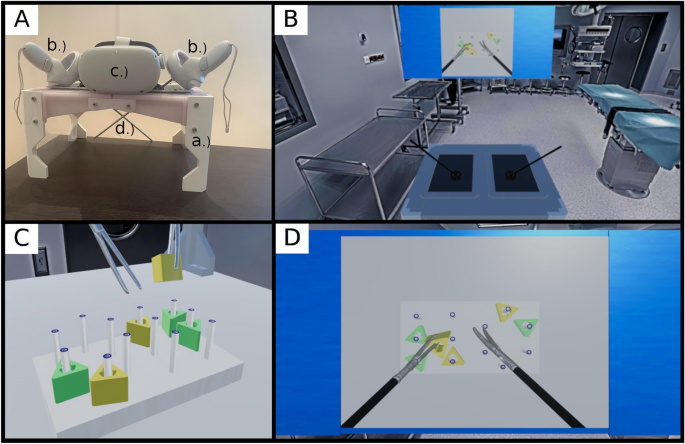
In a groundbreaking study published by Nature, researchers have unveiled a novel approach to surgical training using a low-fidelity virtual reality (VR) simulator enhanced with artificial intelligence (AI) for objective assessment. This pioneering method is poised to transform how medical students acquire laparoscopic skills, offering a cost-effective and efficient alternative to traditional training models.

AI and Machine Learning: Revolutionizing the Healthcare Industry

AI in healthcare is projected to grow into a $188 billion industry worldwide by 2030, promising to revolutionize the field. From drug development to improved diagnostics, AI is already making significant strides, transforming medical practices and enhancing patient care efficiency.

By |December 27, 2024|Categories: Article, Healthcare, Technology|Tags: , |0 Comments