Unveiling the Intricacies of Fraud Detection

Fraud detection, a critical process in safeguarding financial and data resources, involves identifying suspicious activities that could signify criminal theft. As highlighted in a recent IBM article, such activities can significantly impact both individuals and businesses. The Association of Certified Fraud Examiners (ACFE) estimates that U.S. businesses lose an average of 5% of their gross annual revenues to fraud, underscoring the urgency of effective fraud detection strategies.

The Importance of Fraud Detection

Fraud detection is paramount not only for minimizing financial losses but also for maintaining customer trust and adhering to regulatory mandates. Without robust fraud detection measures, businesses risk reputational damage and operational disruptions. Notably, during the COVID-19 pandemic, the Bank of America faced a hefty fine of USD 225 million due to a faulty fraud detection system.

Techniques in Fraud Detection

Organizations employ various techniques to combat fraud, including transaction monitoring, artificial intelligence, and statistical data analysis. Transaction monitoring tools analyze transaction data in real-time, using anomaly detection to flag unusual activities. Meanwhile, AI and machine learning models can predict fraudulent behavior more efficiently, adapting to evolving fraud trends.

Common Types of Fraud

Fraud manifests in numerous forms, from credit card fraud to money laundering. Credit card fraud involves unauthorized use of card information, leading to chargebacks and financial losses for merchants. Money laundering, on the other hand, involves concealing illegally obtained funds to make them appear legitimate.

Challenges in Fraud Detection

The landscape of fraud detection is fraught with challenges. Generative AI, for instance, enables fraudsters to create convincing fake content, complicating detection efforts. Additionally, systems that produce excessive false positives can deter legitimate customers and slow down operations. Staying ahead of sophisticated fraud tactics, such as those used by the China-based fraud ring BogusBazaar, requires continuous adaptation and vigilance.

Data Privacy and Fraud Detection

Balancing fraud detection with data privacy regulations presents another hurdle. While organizations need access to personally identifying information (PII) for effective fraud detection, privacy laws can restrict data access, potentially hindering detection efforts.
The original IBM article provides a comprehensive overview of these issues, emphasizing the need for innovative strategies to counteract fraud in an ever-evolving digital landscape.

More Articles

Getting licensed or staying ahead in your career can be a journey—but it doesn’t have to be overwhelming. Grab your favorite coffee or tea, take a moment to relax, and browse through our articles. Whether you’re just starting out or renewing your expertise, we’ve got tips, insights, and advice to keep you moving forward. Here’s to your success—one sip and one step at a time!

2025 Commercial Real Estate Outlook: Navigating a New Era

The commercial real estate landscape is on the brink of transformation as leaders seek to navigate the challenges of recent years and position their organizations for future opportunities.

The Emerging Mental Health Crisis Among Healthcare Workers During the COVID-19 Pandemic

The pandemic has ushered in a wave of mental health challenges that affect healthcare workers profoundly. From the onset of COVID-19, these professionals have been at the forefront, facing immense pressure, long hours, and the constant fear of exposure.

By |December 18, 2024|Categories: Article, Healthcare Workers, Mental Health|Tags: , |0 Comments

Ethical Concerns of Large Language Models in Healthcare

Exploring the dual nature of LLMs offers substantial benefits in healthcare but also raises significant ethical concerns, underscoring the need for well-defined guidelines and human oversight.

The Role of Wearable Devices in Chronic Disease Monitoring and Patient Care: A Comprehensive Review

Wearable devices have become integral in managing chronic conditions by providing continuous health data, empowering patients and healthcare professionals with insights that were previously unattainable.

AI Training Mandates: Navigating Legal Waters in Dentistry

The integration of artificial intelligence (AI) into dental practices is more than a technological trend; it represents a seismic shift in the industry. This transformation is reshaping skill sets and prompting a thorough examination of legal and ethical implications.

By |December 17, 2024|Categories: Article, Legal, Technology|Tags: , |0 Comments

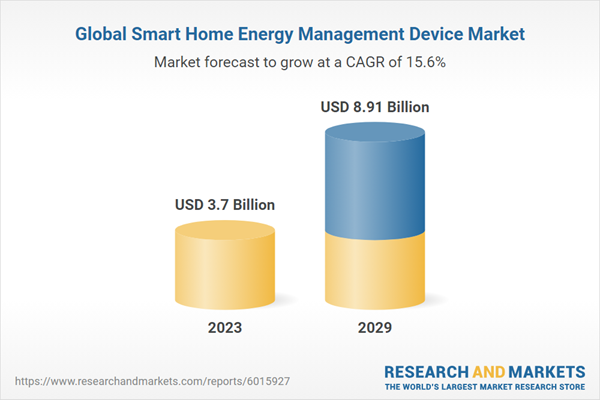
Smart Home Energy Management Devices: A Market Poised for Growth

The Global Smart Home Energy Management Device Market is on the brink of a significant transformation, driven by escalating demands for energy-efficient solutions and the increasing adoption of smart home technologies.