Unveiling the Intricacies of Fraud Detection

Fraud detection, a critical process in safeguarding financial and data resources, involves identifying suspicious activities that could signify criminal theft. As highlighted in a recent IBM article, such activities can significantly impact both individuals and businesses. The Association of Certified Fraud Examiners (ACFE) estimates that U.S. businesses lose an average of 5% of their gross annual revenues to fraud, underscoring the urgency of effective fraud detection strategies.

The Importance of Fraud Detection

Fraud detection is paramount not only for minimizing financial losses but also for maintaining customer trust and adhering to regulatory mandates. Without robust fraud detection measures, businesses risk reputational damage and operational disruptions. Notably, during the COVID-19 pandemic, the Bank of America faced a hefty fine of USD 225 million due to a faulty fraud detection system.

Techniques in Fraud Detection

Organizations employ various techniques to combat fraud, including transaction monitoring, artificial intelligence, and statistical data analysis. Transaction monitoring tools analyze transaction data in real-time, using anomaly detection to flag unusual activities. Meanwhile, AI and machine learning models can predict fraudulent behavior more efficiently, adapting to evolving fraud trends.

Common Types of Fraud

Fraud manifests in numerous forms, from credit card fraud to money laundering. Credit card fraud involves unauthorized use of card information, leading to chargebacks and financial losses for merchants. Money laundering, on the other hand, involves concealing illegally obtained funds to make them appear legitimate.

Challenges in Fraud Detection

The landscape of fraud detection is fraught with challenges. Generative AI, for instance, enables fraudsters to create convincing fake content, complicating detection efforts. Additionally, systems that produce excessive false positives can deter legitimate customers and slow down operations. Staying ahead of sophisticated fraud tactics, such as those used by the China-based fraud ring BogusBazaar, requires continuous adaptation and vigilance.

Data Privacy and Fraud Detection

Balancing fraud detection with data privacy regulations presents another hurdle. While organizations need access to personally identifying information (PII) for effective fraud detection, privacy laws can restrict data access, potentially hindering detection efforts.
The original IBM article provides a comprehensive overview of these issues, emphasizing the need for innovative strategies to counteract fraud in an ever-evolving digital landscape.

More Articles

Getting licensed or staying ahead in your career can be a journey—but it doesn’t have to be overwhelming. Grab your favorite coffee or tea, take a moment to relax, and browse through our articles. Whether you’re just starting out or renewing your expertise, we’ve got tips, insights, and advice to keep you moving forward. Here’s to your success—one sip and one step at a time!

How AI Is Quietly Transforming the Modern Real Estate Agent’s Daily Workflow

Artificial intelligence has shifted from futuristic idea to everyday assistant for real estate professionals. Instead of replacing agents, AI now enhances their workflows—automating repetitive tasks, improving communication, strengthening branding, and turning complex market data into clear insights. From smarter CRMs to AI-powered marketing tools, today’s agents can focus more on relationships and client service while technology handles the busywork behind the scenes.

Florida Lawmakers Target Insurer Profit‑Shifting in New Bill Aimed at Stabilizing Homeowners Insurance

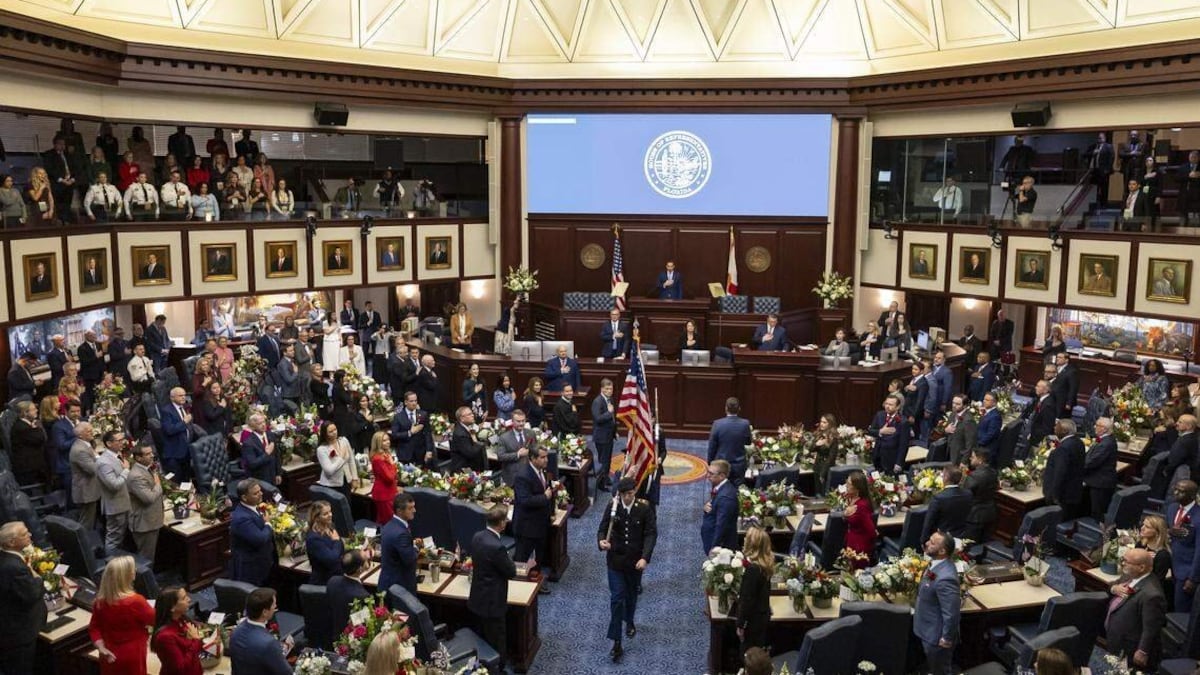
A Florida House committee is advancing a bill that would crack down on insurers shifting profits to affiliated companies — a practice highlighted by recent investigative reporting. With premiums soaring and options shrinking, the proposed oversight could reshape the state’s insurance landscape and create ripple effects across the real estate market, impacting buyers, agents, and investors statewide.

Tangent Proptech Celebrates 100 Episodes With Airbnb’s Vision for the Future of Flexible Living

Proptech podcast *Tangent* marks its 100th episode with an inside look at Airbnb’s evolving role in multifamily housing. Featuring Airbnb Real Estate Marketing Leader Eliza Lochner, the episode explores the rapid growth of Airbnb‑friendly apartments, the rise of flexible‑living models, and why renters and property owners are increasingly embracing hosting as a way to balance affordability, transparency, and control. For today’s real estate professionals—especially in fast‑changing markets like Florida—the conversation highlights major shifts in tenant expectations, property management strategies, and the intersection of technology, hospitality, and residential development.

Florida Homeowners Hit Breaking Point as Insurance Premiums Top $14,000

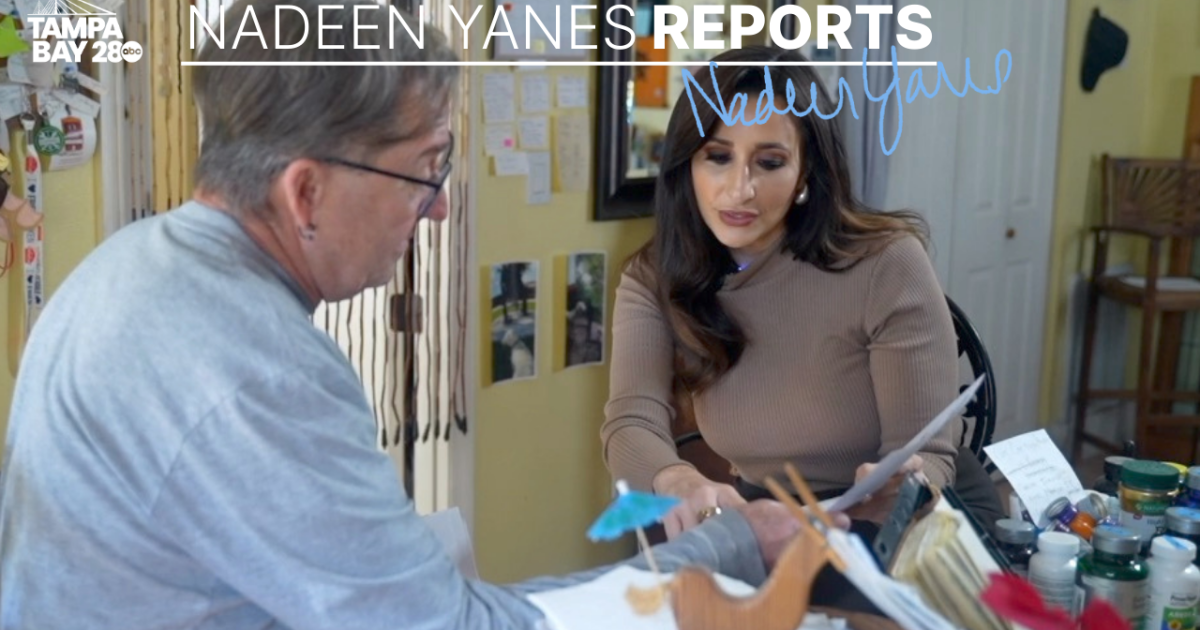
A Tampa Heights homeowner has joined the growing wave of Floridians dropping property insurance altogether after his 2026 renewal skyrocketed to $14,523. With up to 20% of residents now going bare, experts warn that soaring rates, shrinking coverage options, and post‑storm losses are pushing many to take risky measures — even as alternatives like liability‑only plans, dropped wind coverage, or home‑hardening upgrades may offer relief.

How New ERAS “Scholarly Works” Rules Could Reshape the Future of Medical Residency Applications

A major ERAS overhaul is coming in 2027, replacing the familiar “publications” field with a more rigorous category called “scholarly works.” Only peer‑reviewed submissions—such as manuscripts, abstracts, book chapters, and presentations—will qualify, shifting greater emphasis toward high‑quality research. While the change aims to give residency directors clearer insight into applicants’ academic contributions, many students worry that advocacy and policy work may lose visibility. As programs lean more heavily on research output in a post–Step 1 pass/fail era, future applicants will need to showcase not just what they’ve produced, but the depth and meaning behind it.

Mortgage Rates Rebound: What Professionals Need to Know in 2026

Mortgage rates have ticked back up to 6.25% after a brief dip, signaling a return to stability in the housing market. With rising inventory, moderating prices, and forecasts calling for steady rates through 2026, real estate and finance professionals can expect a more predictable environment ahead. This shift opens the door to smoother transactions, improved buyer confidence, and stronger opportunities for career growth across mortgage, real estate, insurance, and related fields.