In a world where urban landscapes are increasingly dominated by concrete jungles, the phenomenon of “heat islands” has emerged as a significant concern. Cities, with their dense concentrations of pavement and buildings, absorb and retain heat, leading to higher temperatures compared to their rural counterparts. This effect not only raises energy costs but also exacerbates air pollution and increases heat-related illnesses.

The U.S. Environmental Protection Agency (EPA) has highlighted the importance of green infrastructure in mitigating these effects. By integrating natural surfaces such as trees and vegetation into urban environments, cities can significantly reduce the heat island effect. This approach not only provides much-needed cooling but also enhances the overall health and safety of communities.

Reduce heat islands
Heat waves are occurring more often in major cities across the United States as the climate changes (Source: Climate Indicators in the United States).

As temperatures continue to rise, the frequency and intensity of heat waves are expected to increase. Green infrastructure, such as trees and vegetation, plays a crucial role in combating these challenges. By shading building surfaces, deflecting solar radiation, and releasing moisture into the atmosphere, these natural elements can help keep urban areas cooler.

Case Study: Louisville, Kentucky

In 2014, Louisville, Kentucky, embarked on a mission to assess its tree canopy with a $115,700 contract. The goal was to use trees to address urban heat and other environmental concerns. The study revealed that Louisville’s trees provide over $389 million in annual benefits, including stormwater interception, temperature moderation, and air quality improvements. More details can be found in the Louisville Urban Tree Canopy Fact Sheet 2015.

Green Roofs: A Viable Solution

Another effective strategy is the implementation of green roofs. These installations provide both direct and ambient cooling effects while improving air quality by absorbing pollutants. Cities like Washington D.C. and Philadelphia offer incentives such as the RiverSmart Rooftops Green Roof Rebate Program and the Green Roof Tax Credit Program to encourage the adoption of green roofs.

As urban planners and policymakers seek sustainable solutions, the integration of green infrastructure into regular community upgrades is paramount. The EPA provides resources and strategies, including its Heat Island Cooling Strategies and the Community Actions Database, to guide these efforts.

For those interested in further exploring the benefits of green infrastructure, the EPA offers a wealth of resources, including the Green Infrastructure in Parks Guide and the EPA Heat Island Program.

More Articles

Getting licensed or staying ahead in your career can be a journey—but it doesn’t have to be overwhelming. Grab your favorite coffee or tea, take a moment to relax, and browse through our articles. Whether you’re just starting out or renewing your expertise, we’ve got tips, insights, and advice to keep you moving forward. Here’s to your success—one sip and one step at a time!

Revolutionizing Medical Training with Virtual Reality

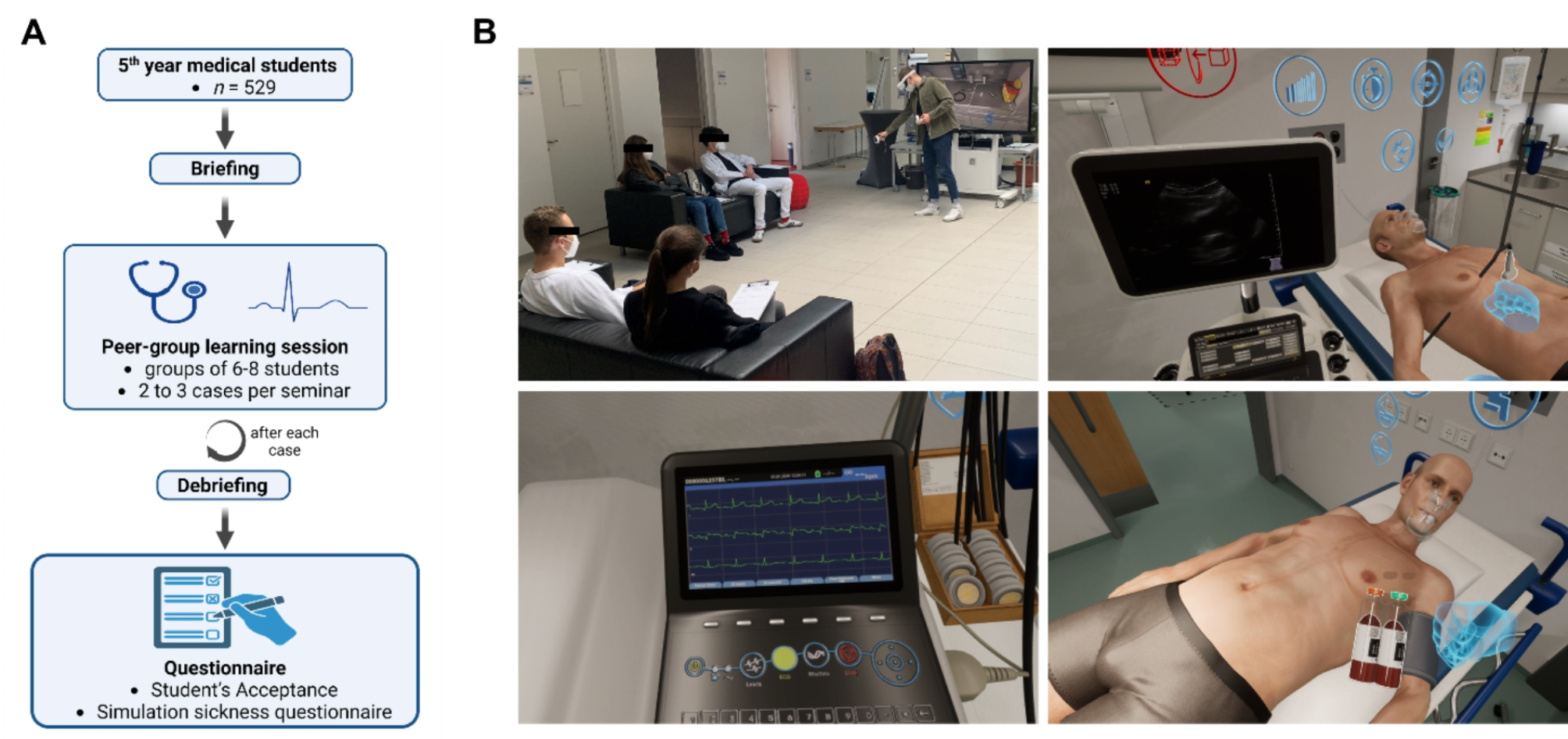
In the rapidly evolving field of medical education, a groundbreaking study has emerged, shedding light on the transformative potential of immersive technologies.

Blockchain Technology: Transforming the Real Estate Landscape

Blockchain offers a streamlined and more secure method of managing property transactions, providing an attractive alternative for investors, developers, and real estate investment trusts.

By |January 20, 2025|Categories: Article, Blockchain Technology, Real Estate Industry|Tags: , |0 Comments

2025 Real Estate Trends in South Korea: A Transformative Landscape

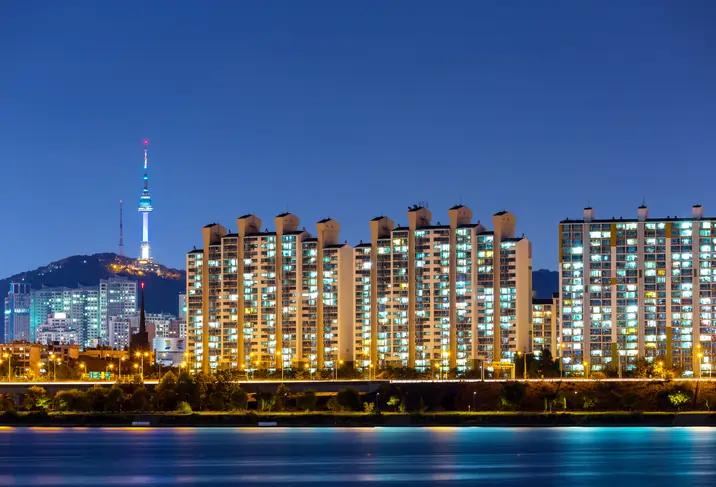
In an era defined by rapid change, South Korea's real estate market is undergoing a transformation that is as dynamic as it is multifaceted. The landscape in 2025 is being reshaped by a confluence of market dynamics, economic impacts, government policies, and technological advancements.

The AI Revolution in Healthcare: Erez Meltzer’s Vision for the Future

Erez Meltzer, CEO of Nanox, is at the forefront of a groundbreaking transformation in healthcare. With over 35 years of leadership experience, Meltzer is steering the industry into an era where artificial intelligence (AI) is reshaping patient care. This evolution goes beyond mere enhancements; it promises truly individualized healthcare on a grand scale.

Predictive Analytics Tools in 2025: Revolutionizing Business Intelligence

Predictive analytics has undergone a significant transformation. Once the domain of specialized data scientists, advancements in AI have democratized these tools, making them user-friendly even for those without technical expertise.

Navigating TikTok: A Realtor’s Guide to Success

Ever wondered how TikTok became the playground for realtors? It's proven itself as a legit tool for branding and lead generation. Learn how to master the basics from setting up your profile to creating captivating videos.


By |January 19, 2025|Categories: Article, Real Estate, Social Media Marketing|Tags: |0 Comments