In a world where urban landscapes are increasingly dominated by concrete jungles, the phenomenon of “heat islands” has emerged as a significant concern. Cities, with their dense concentrations of pavement and buildings, absorb and retain heat, leading to higher temperatures compared to their rural counterparts. This effect not only raises energy costs but also exacerbates air pollution and increases heat-related illnesses.

The U.S. Environmental Protection Agency (EPA) has highlighted the importance of green infrastructure in mitigating these effects. By integrating natural surfaces such as trees and vegetation into urban environments, cities can significantly reduce the heat island effect. This approach not only provides much-needed cooling but also enhances the overall health and safety of communities.

Reduce heat islands
Heat waves are occurring more often in major cities across the United States as the climate changes (Source: Climate Indicators in the United States).

As temperatures continue to rise, the frequency and intensity of heat waves are expected to increase. Green infrastructure, such as trees and vegetation, plays a crucial role in combating these challenges. By shading building surfaces, deflecting solar radiation, and releasing moisture into the atmosphere, these natural elements can help keep urban areas cooler.

Case Study: Louisville, Kentucky

In 2014, Louisville, Kentucky, embarked on a mission to assess its tree canopy with a $115,700 contract. The goal was to use trees to address urban heat and other environmental concerns. The study revealed that Louisville’s trees provide over $389 million in annual benefits, including stormwater interception, temperature moderation, and air quality improvements. More details can be found in the Louisville Urban Tree Canopy Fact Sheet 2015.

Green Roofs: A Viable Solution

Another effective strategy is the implementation of green roofs. These installations provide both direct and ambient cooling effects while improving air quality by absorbing pollutants. Cities like Washington D.C. and Philadelphia offer incentives such as the RiverSmart Rooftops Green Roof Rebate Program and the Green Roof Tax Credit Program to encourage the adoption of green roofs.

As urban planners and policymakers seek sustainable solutions, the integration of green infrastructure into regular community upgrades is paramount. The EPA provides resources and strategies, including its Heat Island Cooling Strategies and the Community Actions Database, to guide these efforts.

For those interested in further exploring the benefits of green infrastructure, the EPA offers a wealth of resources, including the Green Infrastructure in Parks Guide and the EPA Heat Island Program.

More Articles

Getting licensed or staying ahead in your career can be a journey—but it doesn’t have to be overwhelming. Grab your favorite coffee or tea, take a moment to relax, and browse through our articles. Whether you’re just starting out or renewing your expertise, we’ve got tips, insights, and advice to keep you moving forward. Here’s to your success—one sip and one step at a time!

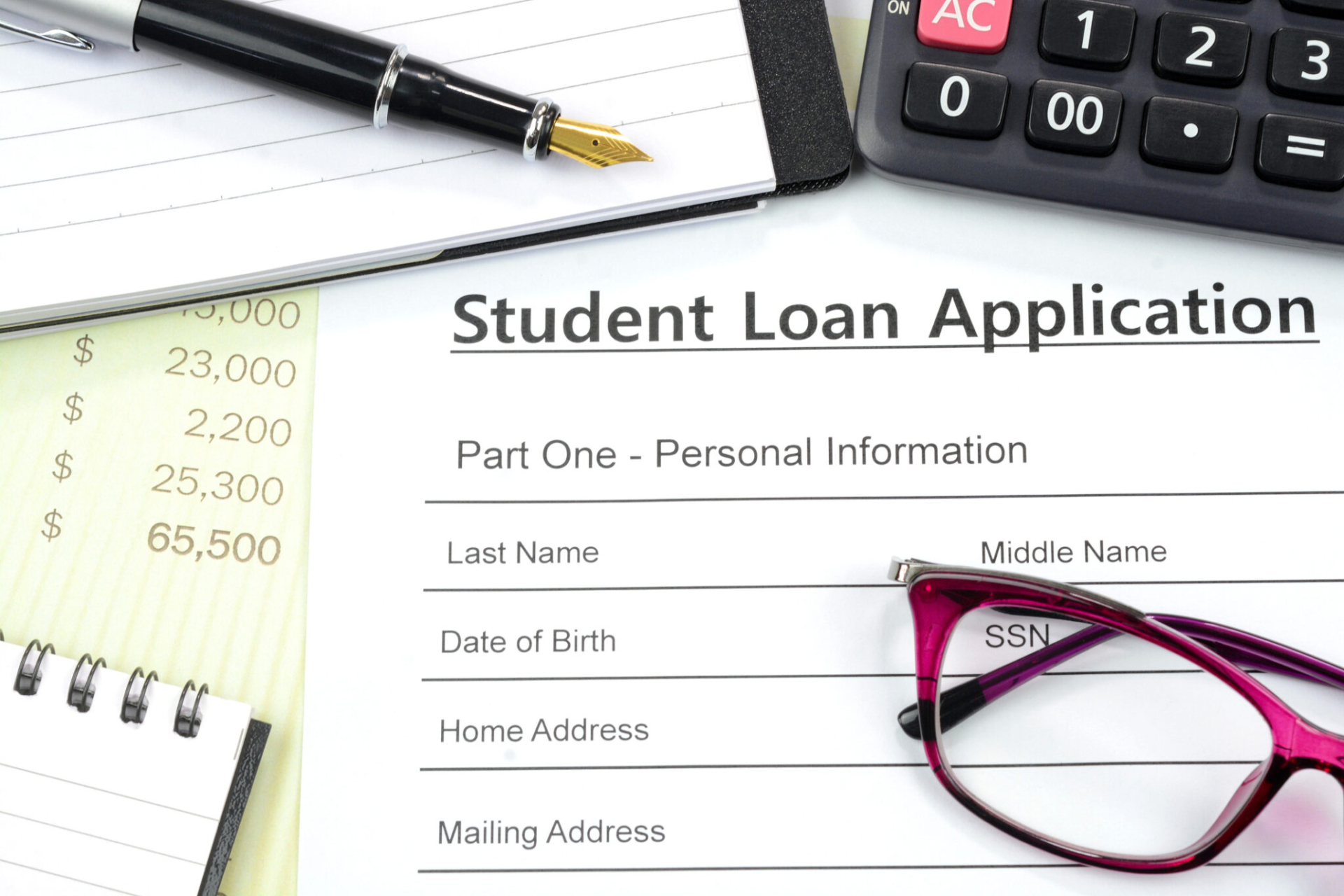
Biden Unveils New Student Debt Relief Plan Aiming for Long-term Impact

President Joe Biden has unveiled a comprehensive plan aimed at providing relief to millions of borrowers, seeking to cancel accrued interest for 23 million borrowers, completely eliminate student loan debt for 4 million individuals, and offer at least $5,000 in relief for over 10 million more.

By |October 19, 2024|Categories: Article, Education, Politics|Tags: , |0 Comments

The 2025 Commercial Real Estate Outlook: Navigating Change and Embracing Innovation

The Deloitte report emphasizes the importance of adaptability and innovation. As consumer expectations evolve, real estate leaders are encouraged to leverage technology and sustainable practices to meet these demands.

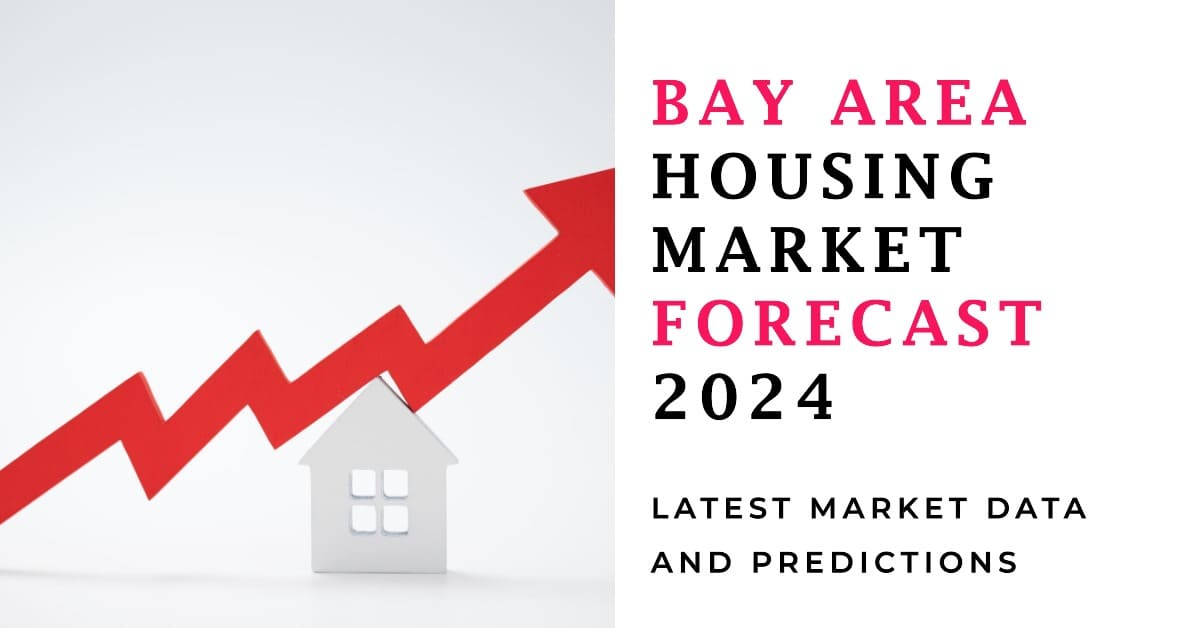
California’s Housing Crisis: Innovative Solutions and Collaborative Efforts

California's housing crisis is an ongoing challenge, but recent innovations and collaborative efforts offer a glimmer of hope. The Chan Zuckerberg Initiative outlines seven transformative approaches to rebuilding the state's housing system, emphasizing affordability and community inclusion.

By |October 19, 2024|Categories: Affordable Housing, Article, Housing|Tags: , |0 Comments

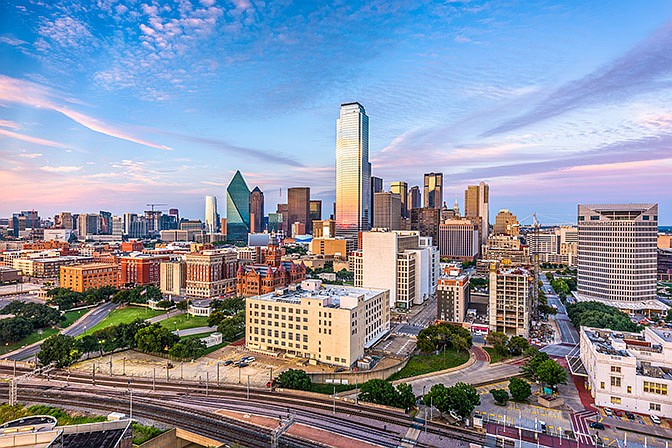
2024 Dallas Housing Market: Resilience, Trends, and Opportunities

As we delve into 2024, the Dallas housing market remains a hot topic among real estate enthusiasts and potential homeowners. Known for its economic vigor and cultural diversity, Dallas is an attractive hub for new residents, offering diverse job opportunities and a vibrant community life. This year, staying informed about market dynamics is key for anyone looking to buy, sell, or invest in real estate.

Florida’s Legislative Response to Medicaid During COVID-19

In the midst of the COVID-19 pandemic, significant legislative measures have been enacted in Florida to address the challenges faced by Medicaid recipients. Since the onset of the national public health emergency on January 27, 2020, Medicaid eligibility protections have been a focal point, ensuring that recipients do not lose coverage during these trying times.

By |October 18, 2024|Categories: Article, COVID-19 Response, Health Policy|Tags: , |0 Comments