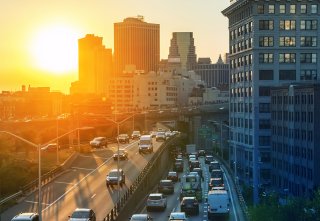
In a world where urban landscapes are increasingly dominated by concrete jungles, the phenomenon of “heat islands” has emerged as a significant concern. Cities, with their dense concentrations of pavement and buildings, absorb and retain heat, leading to higher temperatures compared to their rural counterparts. This effect not only raises energy costs but also exacerbates air pollution and increases heat-related illnesses.

The U.S. Environmental Protection Agency (EPA) has highlighted the importance of green infrastructure in mitigating these effects. By integrating natural surfaces such as trees and vegetation into urban environments, cities can significantly reduce the heat island effect. This approach not only provides much-needed cooling but also enhances the overall health and safety of communities.
Reduce heat islands
Heat waves are occurring more often in major cities across the United States as the climate changes (Source: Climate Indicators in the United States).

As temperatures continue to rise, the frequency and intensity of heat waves are expected to increase. Green infrastructure, such as trees and vegetation, plays a crucial role in combating these challenges. By shading building surfaces, deflecting solar radiation, and releasing moisture into the atmosphere, these natural elements can help keep urban areas cooler.

Case Study: Louisville, Kentucky

In 2014, Louisville, Kentucky, embarked on a mission to assess its tree canopy with a $115,700 contract. The goal was to use trees to address urban heat and other environmental concerns. The study revealed that Louisville’s trees provide over $389 million in annual benefits, including stormwater interception, temperature moderation, and air quality improvements. More details can be found in the Louisville Urban Tree Canopy Fact Sheet 2015.

Green Roofs: A Viable Solution

Another effective strategy is the implementation of green roofs. These installations provide both direct and ambient cooling effects while improving air quality by absorbing pollutants. Cities like Washington D.C. and Philadelphia offer incentives such as the RiverSmart Rooftops Green Roof Rebate Program and the Green Roof Tax Credit Program to encourage the adoption of green roofs.

As urban planners and policymakers seek sustainable solutions, the integration of green infrastructure into regular community upgrades is paramount. The EPA provides resources and strategies, including its Heat Island Cooling Strategies and the Community Actions Database, to guide these efforts.

For those interested in further exploring the benefits of green infrastructure, the EPA offers a wealth of resources, including the Green Infrastructure in Parks Guide and the EPA Heat Island Program.

More Articles

Getting licensed or staying ahead in your career can be a journey—but it doesn’t have to be overwhelming. Grab your favorite coffee or tea, take a moment to relax, and browse through our articles. Whether you’re just starting out or renewing your expertise, we’ve got tips, insights, and advice to keep you moving forward. Here’s to your success—one sip and one step at a time!

Mortgage Applications Slip as Mixed Market Signals Create Uncertainty

The latest MBA survey shows overall mortgage applications dipping 1.4% during the holiday week, even as purchase activity rose on a seasonally adjusted basis. Refinances cooled despite lower rates, which averaged 6.32% for a 30‑year fixed. Rising ARMs and shifting buyer behavior highlight a market still trying to stabilize amid softening economic indicators.

Commercial Real Estate Deal Growth Stalls Heading Into 2026

October delivered the first year‑over‑year slowdown in commercial real estate deals in nearly two years, signaling a growing disconnect between buyers and sellers as elevated rates and policy uncertainty reshape pricing expectations. While multifamily cooled and office assets traded at steep discounts, hotels and adaptive‑reuse projects stood out as rare bright spots. For professionals across real estate, mortgage, and finance, the shifting landscape underscores the need for sharper analysis and continued education heading into 2026.

US Workers’ Comp Market Faces Higher Costs and New Regulations Heading Into 2026

The US workers’ compensation market is bracing for a pivotal year in 2026 as medical inflation, rising claim complexity, and tightening state regulations push costs higher for insurers and employers. With cumulative trauma injuries increasing and states expanding presumption laws—especially for first responders and healthcare workers—underwriting strategies are being forced to evolve. At the same time, technology like predictive analytics and workplace wearables is reshaping loss prevention, while more organizations turn to captives and hybrid programs to manage volatility.

How Florida Realtors Quietly Built a Tech Empire That Now Powers North American Real Estate

Over the past 25 years, Florida Realtors has transformed from a simple support desk into one of the most influential tech ecosystems in real estate. Through member‑driven tools like Tech Helpline, Form Simplicity and the new Sabal Sign platform, the association has built a stable, fully integrated system used by agents across the U.S. and Canada. Free from outside investors and focused entirely on member needs, Florida Realtors has quietly become a tech powerhouse—proving that long-term vision, not venture capital, is what truly drives innovation in the industry.

Flood Disclosures Could Reshape Massachusetts Real Estate as Climate Risks Rise

Massachusetts is poised for a major shift in home‑sale transparency as Gov. Maura Healey pushes for mandatory flood disclosures — a change that could impact buyers, sellers, and real estate professionals statewide. With worsening climate conditions and growing flood damage in communities like Winthrop and Salem, the proposal aims to ensure buyers understand a property’s true risk before they commit. The move has wide support from insurers and municipalities, while the real estate industry remains split over its potential impact on the state’s long‑standing “buyer beware” culture.

Florida’s Insurance Market Begins to Stabilize as New Reforms Take Effect

Florida’s long‑troubled property insurance market is finally showing early signs of recovery. Thanks to recent legislative reforms that reduced litigation and attracted new insurers, some homeowners are even seeing their premiums drop. These improvements are boosting consumer confidence and creating new opportunities for real estate, mortgage, and insurance professionals across the state.