In a world where urban landscapes are increasingly dominated by concrete jungles, the phenomenon of “heat islands” has emerged as a significant concern. Cities, with their dense concentrations of pavement and buildings, absorb and retain heat, leading to higher temperatures compared to their rural counterparts. This effect not only raises energy costs but also exacerbates air pollution and increases heat-related illnesses.

The U.S. Environmental Protection Agency (EPA) has highlighted the importance of green infrastructure in mitigating these effects. By integrating natural surfaces such as trees and vegetation into urban environments, cities can significantly reduce the heat island effect. This approach not only provides much-needed cooling but also enhances the overall health and safety of communities.

Reduce heat islands
Heat waves are occurring more often in major cities across the United States as the climate changes (Source: Climate Indicators in the United States).

As temperatures continue to rise, the frequency and intensity of heat waves are expected to increase. Green infrastructure, such as trees and vegetation, plays a crucial role in combating these challenges. By shading building surfaces, deflecting solar radiation, and releasing moisture into the atmosphere, these natural elements can help keep urban areas cooler.

Case Study: Louisville, Kentucky

In 2014, Louisville, Kentucky, embarked on a mission to assess its tree canopy with a $115,700 contract. The goal was to use trees to address urban heat and other environmental concerns. The study revealed that Louisville’s trees provide over $389 million in annual benefits, including stormwater interception, temperature moderation, and air quality improvements. More details can be found in the Louisville Urban Tree Canopy Fact Sheet 2015.

Green Roofs: A Viable Solution

Another effective strategy is the implementation of green roofs. These installations provide both direct and ambient cooling effects while improving air quality by absorbing pollutants. Cities like Washington D.C. and Philadelphia offer incentives such as the RiverSmart Rooftops Green Roof Rebate Program and the Green Roof Tax Credit Program to encourage the adoption of green roofs.

As urban planners and policymakers seek sustainable solutions, the integration of green infrastructure into regular community upgrades is paramount. The EPA provides resources and strategies, including its Heat Island Cooling Strategies and the Community Actions Database, to guide these efforts.

For those interested in further exploring the benefits of green infrastructure, the EPA offers a wealth of resources, including the Green Infrastructure in Parks Guide and the EPA Heat Island Program.

More Articles

Getting licensed or staying ahead in your career can be a journey—but it doesn’t have to be overwhelming. Grab your favorite coffee or tea, take a moment to relax, and browse through our articles. Whether you’re just starting out or renewing your expertise, we’ve got tips, insights, and advice to keep you moving forward. Here’s to your success—one sip and one step at a time!

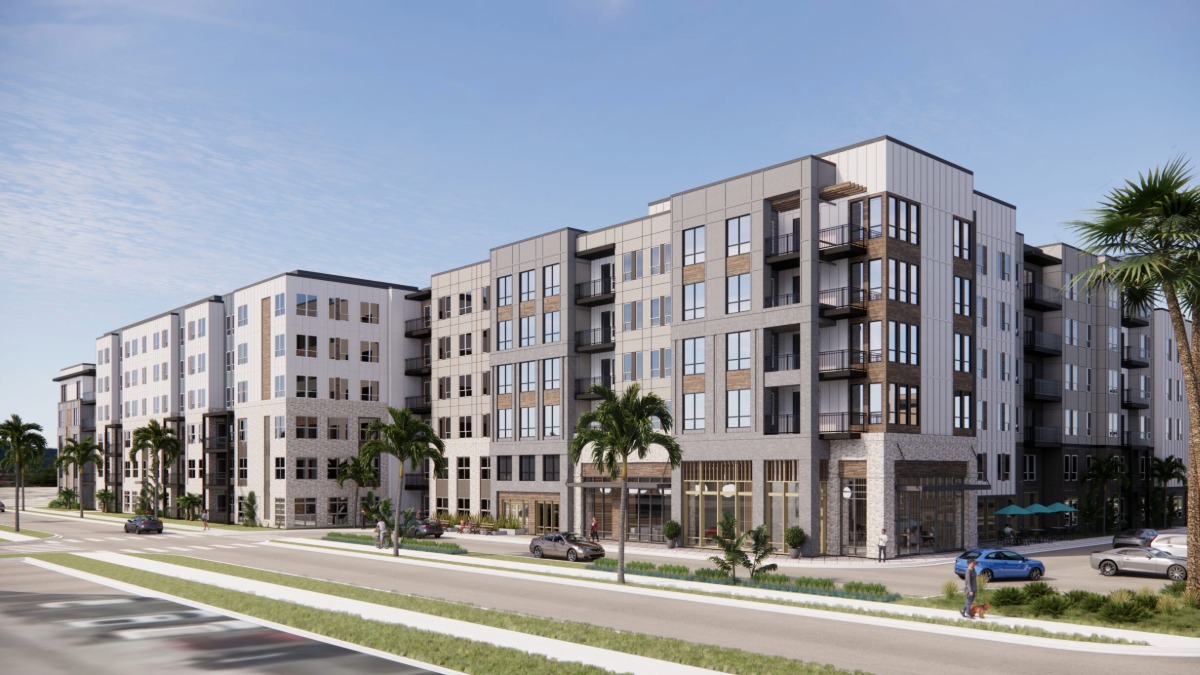
The Mark Tampa Breaks Ground on 800‑Bed Luxury Student Housing Near USF

Landmark Properties has officially begun construction on The Mark Tampa, a six‑story luxury student community featuring over 800 beds, rooftop amenities, study spaces, retail, and modern unit layouts. Set to open before the 2027–2028 school year, the project signals strong investor confidence in North Tampa’s booming student housing market.

Florida’s Insurance Costs Erupt Into a 2026 Election Flashpoint

Florida’s property and auto insurance crisis is intensifying, setting the stage for a major political showdown ahead of the 2026 elections. Republicans argue recent reforms are finally stabilizing the market, while Democrats insist families are being crushed by soaring premiums and can’t wait for relief. With homeowners, condo associations, and insurers all feeling the pressure, lawmakers are preparing for one of the most consequential legislative battles in years.

A December Fed Cut Could Be Coming — But Don’t Expect Mortgage Rates to Drop

Markets are betting heavily on a Federal Reserve rate cut in December, but that doesn’t guarantee lower mortgage rates. Even with an 85% chance of a cut priced in, mortgage rates move more with the 10‑year Treasury than the Fed itself — and recent history shows rates can rise even when the Fed eases. Today’s 6.43% average rate is the lowest in over a year, but still unpredictable, making financial readiness more important than trying to time the market.

Grand Junction’s Commercial Real Estate Market Surges 36% as New Chains Fuel Regional Growth

Grand Junction is experiencing a powerful commercial real estate upswing, with 151 commercial units closed so far in 2025—a 36% jump from last year. Building permits are also up 23%, signaling expanding development momentum. Brokers say interest from national chains is accelerating the city’s evolution, bringing jobs, investment, and long‑term economic potential to Colorado’s Western Slope.

Nashville Ranks #6 in Emerging Trends in Real Estate 2026 Report

Nashville continues its rise as one of the nation’s most attractive real estate markets, landing the #6 spot in the Emerging Trends in Real Estate 2026 report from PwC and ULI. With strong demographic momentum, business expansion, and a development pipeline drawing national eyes, the city stands out amid shifting economic conditions. The report highlights fast‑growing sectors such as data centers, senior housing, and evolving office dynamics—offering real estate professionals valuable insight into where opportunities are emerging next.

CRE This Week: The Key Trends Reshaping Canada’s Commercial Real Estate Market in 2025

Canada’s commercial real estate sector continues to evolve rapidly, with new data revealing major transactions, shifting investment patterns, and emerging economic signals across the country. From resilient retail spending to cooling construction and regional standouts like Montreal and the Prairies, this week’s CRE pulse—powered by Altus Group’s research team—gives real estate, mortgage, and finance professionals a sharp snapshot of the market forces to watch as 2025 winds down.