US Housing Market Faces Setback Amid Rising Mortgage Rates

In a recent report from Reuters, the U.S. single-family homebuilding sector has hit an eight-month low in June, largely due to escalating mortgage rates. This downturn suggests a potential drag on the nation’s economic growth during the second quarter.

Single-family housing starts saw a decline of 2.2%, while building permits for future construction decreased by 2.3%, reaching a one-year low. This trend indicates that any anticipated recovery in the housing market, even with expected interest rate cuts by the Federal Reserve later this year, might be subdued.

Despite these challenges, the housing market continues to grapple with a shortage of previously owned homes, which keeps prices elevated. The higher mortgage rates, which had peaked above 7% earlier this year, have dampened the construction momentum seen in previous months.

Manufacturing Sector Shows Promise

Contrasting with the housing market’s struggles, the manufacturing sector has shown signs of recovery. Manufacturing production increased by 0.4% in June, signaling emerging positive trends within this interest-rate-sensitive sector.

According to a separate report from the Federal Reserve, motor vehicle production surged to a nine-year high, contributing to the overall increase in factory output.

Economic Outlook and Implications

Economists forecast a mixed impact on the residential construction sector from upcoming interest rate adjustments. While the Atlanta Fed projects a 2.7% annualized GDP growth rate for the second quarter, there are concerns that rising unemployment could curb the flow of new buyers, even if mortgage rates decrease.

The multifamily housing market continues to benefit from a shift towards renting, with permits for multi-unit projects seeing a significant increase. This trend further highlights the complexities and challenges within the current housing market landscape.

For more insights into the day ahead in U.S. and global markets, consider subscribing to the Morning Bid U.S. newsletter.


More Articles

Getting licensed or staying ahead in your career can be a journey—but it doesn’t have to be overwhelming. Grab your favorite coffee or tea, take a moment to relax, and browse through our articles. Whether you’re just starting out or renewing your expertise, we’ve got tips, insights, and advice to keep you moving forward. Here’s to your success—one sip and one step at a time!

Gene Editing: A Promising Frontier in Biotechnology

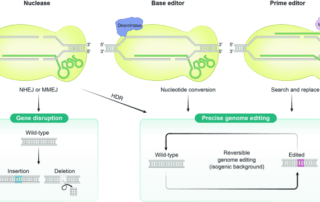
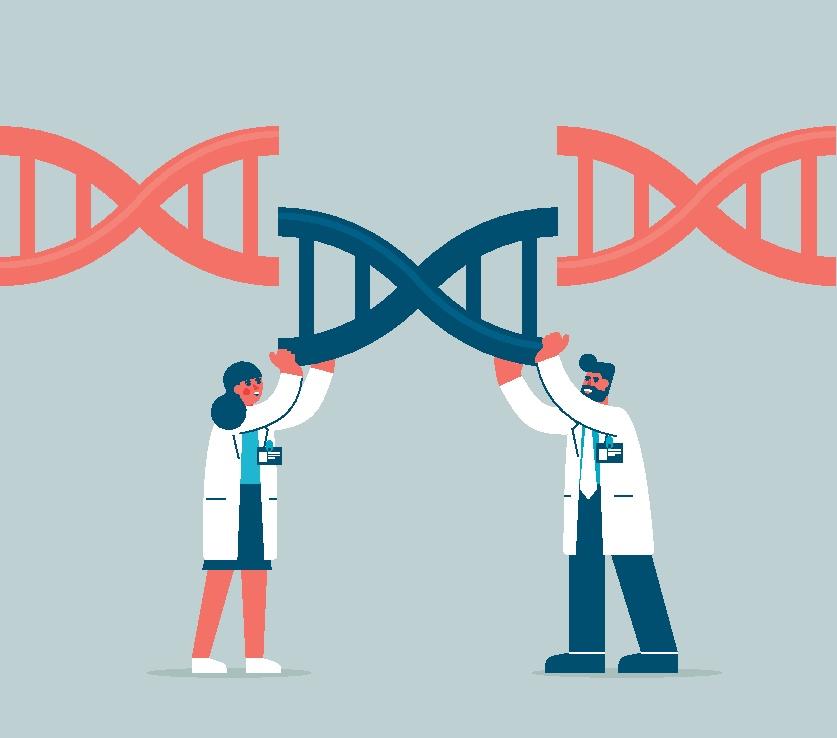
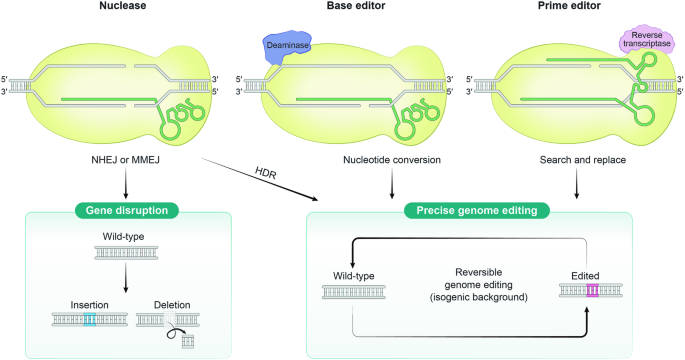
Gene editing technology is swiftly emerging as a transformative force in both healthcare and agriculture, particularly through tools like CRISPR-Cas9, which offer precise methods to modify genes and promise to revolutionize treatment for genetic disorders, cancer, and infectious diseases.

Empowering the Gig Economy: AXA’s Tailored Protection

Angela Wong, Chief Marketing and Customer Officer at AXA Hong Kong & Macau, underscores the critical need for comprehensive insurance solutions for gig workers.

By |November 24, 2024|Categories: Article, Business, Insurance|Tags: , |0 Comments

Ethical Deployment of AI in Healthcare: AMA’s Guiding Strategies

The AMA highlights that AI's integration must be guided by the fundamental principles of medical ethics: patient autonomy, beneficence, nonmaleficence, and justice.

By |November 24, 2024|Categories: Article, Healthcare, Technology Ethics|Tags: , |0 Comments

AI’s Role in Revolutionizing Medical Education

AI, which simulates human intelligence, is reshaping various sectors, particularly healthcare. The ability to perform complex tasks, such as diagnostics and personalized healthcare, is no longer confined to human capabilities alone.

By |November 23, 2024|Categories: Article, Education, Technology|Tags: , |0 Comments

AI Chatbots in Chronic Disease Diagnosis

A recent study published in Nature on July 25, 2024, unveils a cutting-edge chatbot named Chat Ella, designed to assist in the diagnosis of chronic diseases.

Revolutionizing Genetic Research with CRISPR-Cas Technology

CRISPR-Cas technology is not just a tool but a gateway to understanding the genetic influences on diseases.