US Housing Market Faces Setback Amid Rising Mortgage Rates

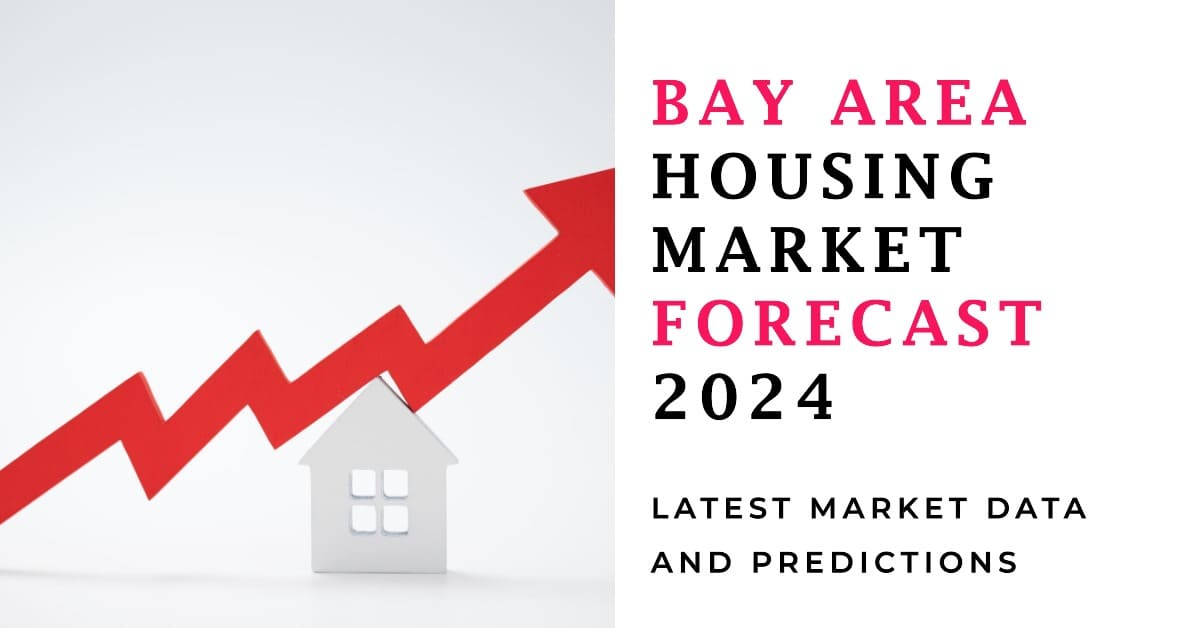
In a recent report from Reuters, the U.S. single-family homebuilding sector has hit an eight-month low in June, largely due to escalating mortgage rates. This downturn suggests a potential drag on the nation’s economic growth during the second quarter.

Single-family housing starts saw a decline of 2.2%, while building permits for future construction decreased by 2.3%, reaching a one-year low. This trend indicates that any anticipated recovery in the housing market, even with expected interest rate cuts by the Federal Reserve later this year, might be subdued.

Despite these challenges, the housing market continues to grapple with a shortage of previously owned homes, which keeps prices elevated. The higher mortgage rates, which had peaked above 7% earlier this year, have dampened the construction momentum seen in previous months.

Manufacturing Sector Shows Promise

Contrasting with the housing market’s struggles, the manufacturing sector has shown signs of recovery. Manufacturing production increased by 0.4% in June, signaling emerging positive trends within this interest-rate-sensitive sector.

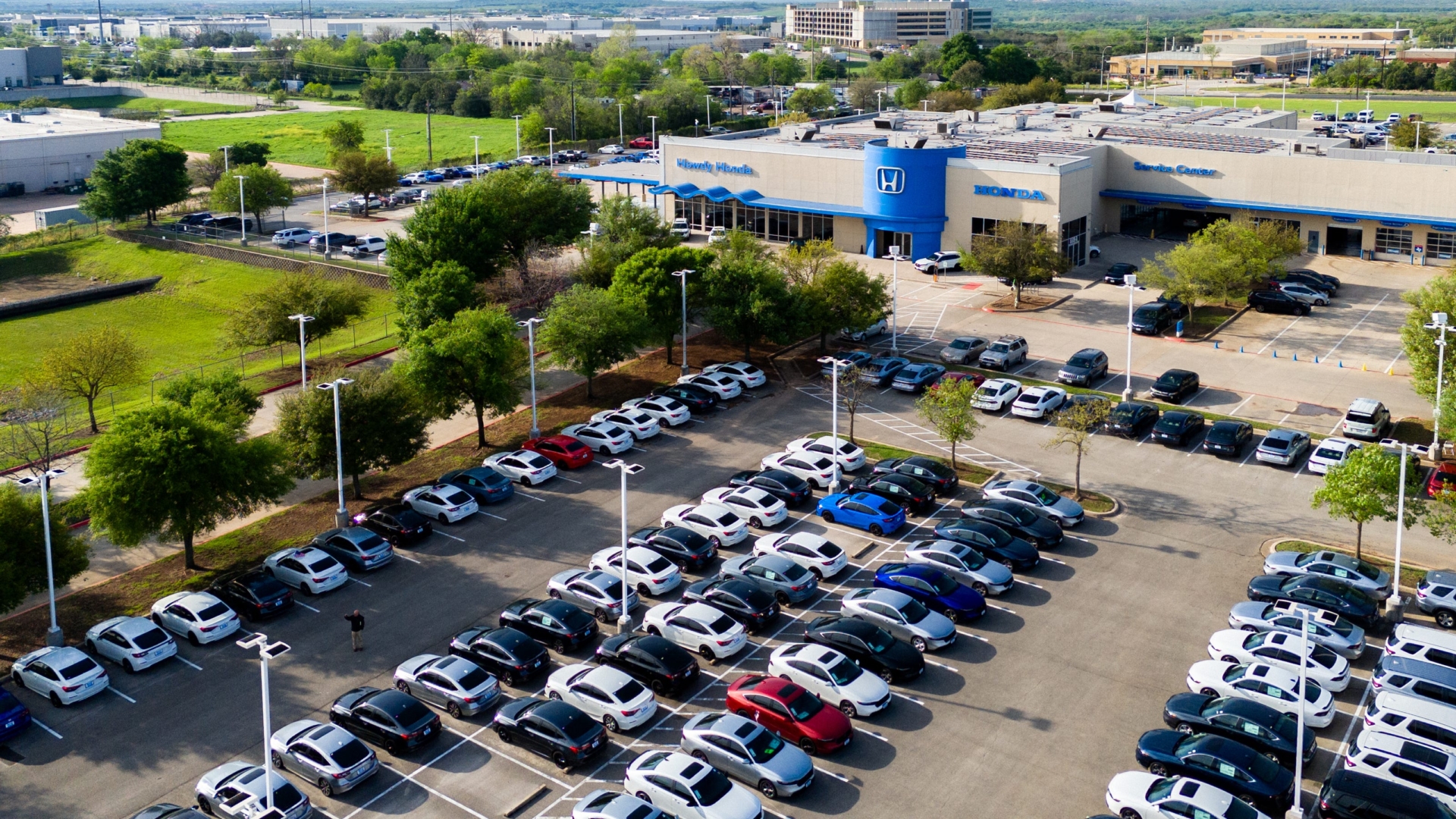
According to a separate report from the Federal Reserve, motor vehicle production surged to a nine-year high, contributing to the overall increase in factory output.

Economic Outlook and Implications

Economists forecast a mixed impact on the residential construction sector from upcoming interest rate adjustments. While the Atlanta Fed projects a 2.7% annualized GDP growth rate for the second quarter, there are concerns that rising unemployment could curb the flow of new buyers, even if mortgage rates decrease.

The multifamily housing market continues to benefit from a shift towards renting, with permits for multi-unit projects seeing a significant increase. This trend further highlights the complexities and challenges within the current housing market landscape.

For more insights into the day ahead in U.S. and global markets, consider subscribing to the Morning Bid U.S. newsletter.


More Articles

Getting licensed or staying ahead in your career can be a journey—but it doesn’t have to be overwhelming. Grab your favorite coffee or tea, take a moment to relax, and browse through our articles. Whether you’re just starting out or renewing your expertise, we’ve got tips, insights, and advice to keep you moving forward. Here’s to your success—one sip and one step at a time!

Housing Costs Surge: Navigating the 2024 Construction Material Price Hike

In an unexpected twist of economic fate, the construction industry finds itself grappling with a steep ascent in building material costs, a trend that began its climb at the dawn of 2024.

Texas High-Tech Sector Rebounds Post-Pandemic, Set for New Growth Trajectory

As the dust settles from the pandemic, Texas' high-tech sector is shaking off its post-pandemic slump and gearing up for a new growth trajectory.

Struggling Landlords Seek Relief Amid Rising Insurance Costs

In the ever-evolving landscape of commercial real estate, a new challenge has emerged, straining the resilience of landlords and developers alike. The soaring costs of insurance, exacerbated by climate-induced natural disasters, are creating a formidable obstacle for property owners. Particularly affected are coastal cities and towns, where the risk of storms and floods is high.

By |October 24, 2024|Categories: Article, Insurance, Real Estate|Tags: , |0 Comments

CDK Global’s Cyberattack Disrupts U.S. Car Dealerships

In a significant cyberattack that has disrupted operations across the United States, CDK Global, a leading provider of cloud-based software to automotive dealerships, was forced to shut down most of its systems. This incident has highlighted the vulnerabilities and rising trend of cyberattacks targeting the auto industry.

By |October 23, 2024|Categories: Article, Automotive Industry, Cybersecurity|Tags: , |0 Comments

Commercial Real Estate: A Sector Under Siege

The commercial real estate landscape has experienced seismic shifts, particularly with properties purchased prior to the Covid-19 pandemic. Many of these assets now hold diminished value compared to the loans used to acquire them.