“`html

The US Treasury and IRS have unveiled the final regulations under the Section 48 Investment Tax Credit (ITC), aiming to provide clarity and flexibility for taxpayers. These comprehensive updates, issued on December 4, 2024, redefine what qualifies as energy property and establish new rules for energy credits. This move is part of the broader amendments introduced by the Inflation Reduction Act of 2022.


Key Updates and Clarifications

Among the significant changes, the regulations bring modifications to the definition of qualified biogas property and clarify the rules for energy storage technologies. The regulations also address the recapture rules and the 80/20 rule for retrofitted energy property, as well as the inclusion of qualified interconnection costs.


These updates are designed to enhance the clarity and flexibility required for effective tax planning and compliance. Key subjects include:

  • Energy Property Definitions and Rules
  • Section 48 Investment Tax Credit (ITC)
  • Inflation Reduction Act of 2022 Impacts
  • Prevailing Wage and Apprenticeship Requirements
  • Modifications to Qualified Biogas Property and Energy Storage

Impact on Taxpayers

These regulations, published in the Federal Register on December 12, 2024, are expected to significantly impact how taxpayers approach energy projects. The regulations now allow for a more nuanced understanding of what constitutes a single energy project, especially in the context of prevailing wage and apprenticeship requirements.


For more detailed insights, you can refer to the original article on Mayer Brown’s website.


Expert Contributions

The article was authored by a team of experts from Mayer Brown, including Michelle M. Jewett, Daniel T. Kiely, Isaac L. Maron, JoonBeom Pae, Warren S. Payne, Amit S. Neuman, and Allison Taylor.


Additional Resources

For more information on related topics, you can explore Mayer Brown’s publications on domestic content bonus credits and prevailing wage requirements under the Inflation Reduction Act:

“`

More Articles

Getting licensed or staying ahead in your career can be a journey—but it doesn’t have to be overwhelming. Grab your favorite coffee or tea, take a moment to relax, and browse through our articles. Whether you’re just starting out or renewing your expertise, we’ve got tips, insights, and advice to keep you moving forward. Here’s to your success—one sip and one step at a time!

Unlocking Real Estate Wealth in 2025: Strategies for Success

Step into 2025, where the real estate market emerges as a resilient beacon amidst economic unpredictability. Investors are increasingly drawn to secondary cities like Austin and Manchester, attracted by their growth potential, affordability, and enhanced quality of life.

By |February 18, 2025|Categories: Article, Investment Strategies, Real Estate|Tags: , |0 Comments

AI and Urbanization Drive Home Services Market Growth

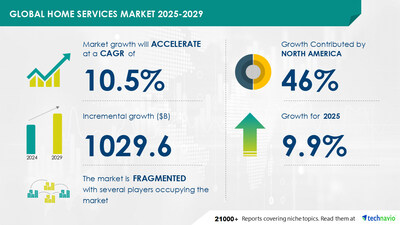
The global home services market is poised for significant growth, with projections indicating an increase of USD 1.03 trillion from 2025 to 2029. This forecasted expansion is attributed to increasing urbanization and the transformative impact of AI on market trends, according to a recent report by Technavio.

Decoding the U.S. Housing Crisis: A Study of Historic Policy Missteps and Demographic Shift

In a revealing study by USC, the roots of the current housing crisis in the United States are traced back to policy missteps and demographic changes that have been unfolding since the early 2000s. The study highlights how these factors have left millennials and people of color disproportionately affected.

Best Real Estate Crowdfunding Platforms for February 2025: Investopedia’s Top Picks

Fundrise stands out for offering investors a chance to diversify their portfolios with real estate exposure through proprietary funds. With a minimum investment as low as $10, it opens doors to beginners and seasoned investors alike.

Top Real Estate Investment Apps of 2025: A Guide for First-Time and Experienced Investors

Business Insider has reviewed a range of platforms available in 2025, focusing on key factors like fees, accessibility for accredited vs. non-accredited investors, and the types of real estate investments offered.