US Workers’ Comp Market Faces Rising Costs and Regulatory Shifts in 2026
The US workers’ compensation landscape is heading into a defining year as 2026 approaches, with rising medical expenses, complex claim types, and shifting state regulations reshaping the market. According to the latest Workers’ Compensation Market Outlook from Risk Placement Services, insurers, brokers, and employers will need to adapt quickly to maintain stability and manage escalating risks.
Medical Costs and Complex Claims on the Rise
Medical inflation remains one of the largest drivers behind rising claim severity. In several states, healthcare costs continue climbing beyond national averages, stretching claim duration and increasing overall losses. These escalating expenses are forcing insurers to rethink how they structure reserves and refine forecasting models.
Cumulative trauma claims—such as repetitive stress injuries and musculoskeletal disorders—are also intensifying pressure. These injuries often require specialized diagnostics and long-term treatment, causing unexpected surges in medical spending.
Regulatory Changes Tighten State-Level Pressures
Expanding state presumption laws are providing broader protections for first responders, healthcare staff, and workers in high-risk fields. As states extend coverage for conditions like PTSD, insurers must evolve underwriting strategies to stay aligned with emerging risk categories.
California continues to influence nationwide trends, reporting a sharp combined loss ratio of 127%. States such as Florida, Texas, and New York show fluctuating claim patterns shaped by unique workforce demographics and economic factors.
Technology and Innovation Transform Workplace Safety
AI-driven monitoring, predictive analytics, and wearable safety devices are becoming vital for reducing injury frequency. Companies that adopt these technologies are experiencing improved safety outcomes and more accurate underwriting insights—an essential shift in a tightening marketplace.
Alternative Risk Financing Gains Momentum
More organizations are embracing captives, hybrids, and self-insured structures as traditional markets harden. These strategies create flexibility and help businesses better navigate industries where claim severity continues to climb.
Altogether, the 2026 forecast suggests continued pressure—yet also significant opportunities for innovation, preparedness, and smarter risk management.
Where Professionals Go From Here
For professionals in insurance, risk management, and compliance, staying educated is key. Institutions like Cameron Academy support both new and experienced professionals by offering licensing, continuing education, and skill‑building programs across all 50 states. In a changing market, education is the strongest advantage.
Explore the Original Report
For a deeper look into the 2026 workers’ comp outlook, visit Insurance Business Magazine. Tap or click to open the full feature.
More Articles
Getting licensed or staying ahead in your career can be a journey—but it doesn’t have to be overwhelming. Grab your favorite coffee or tea, take a moment to relax, and browse through our articles. Whether you’re just starting out or renewing your expertise, we’ve got tips, insights, and advice to keep you moving forward. Here’s to your success—one sip and one step at a time!
"AI and machine learning are emerging as powerful technologies to address this issue, improving the accuracy of medical diagnosis and revolutionizing healthcare with their myriad applications."
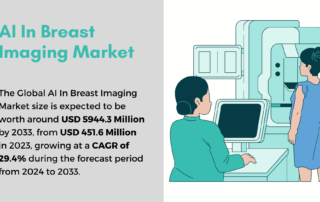
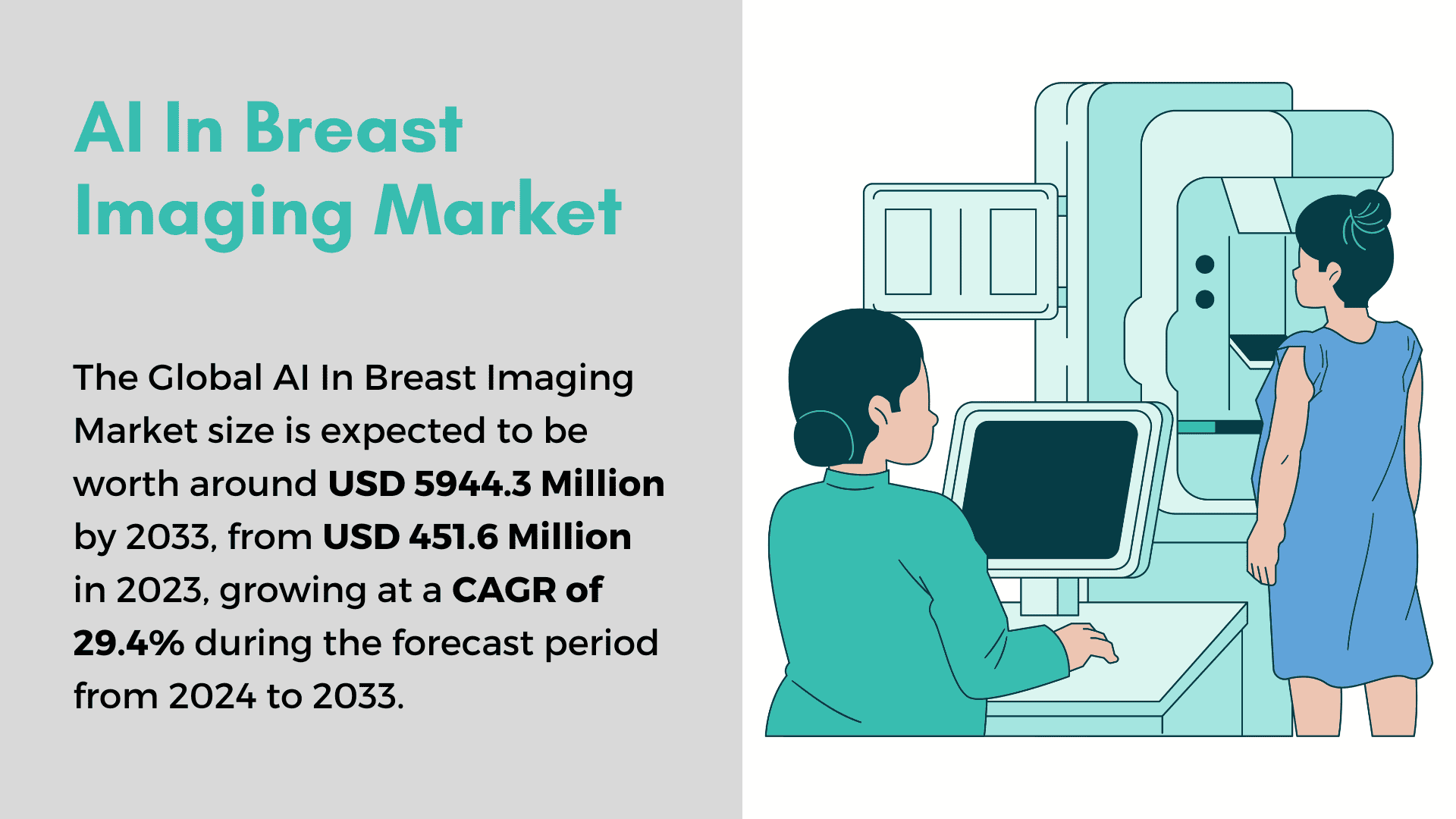
The global AI in breast imaging market is on a remarkable growth trajectory, projected to swell from USD 451.6 million in 2023 to an impressive USD 5944.3 million by 2033. This represents a compound annual growth rate (CAGR) of 29.4%, primarily driven by cutting-edge advancements in AI technologies that significantly enhance diagnostic accuracy, facilitate early detection, and boost healthcare efficiency.
Virtual real estate in metaverses is becoming a focal point for investors worldwide, with digital plots of land mirroring traditional real estate value based on location, size, and platform popularity.
Artificial intelligence (AI) and machine learning are at the forefront of revolutionizing in-vitro diagnostic (IVD) tools, redefining diagnostics and enhancing healthcare outcomes on multiple fronts.
As we edge closer to 2030, the life sciences industry stands on the threshold of transformative changes. With a global valuation exceeding $2 trillion, the sector is poised for significant growth, driven by technological advancements and an aging population.
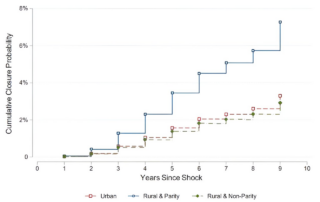
The advent of telehealth has revolutionized the way patients, particularly those in rural areas, access health care. By offering remote consultations and follow-up care, telehealth provides a convenient alternative to traveling long distances to urban hospitals. However, this technological advancement brings with it a set of challenges that could reshape the rural health care landscape.