US Workers’ Comp Market Faces Rising Costs and Regulatory Shifts in 2026
The US workers’ compensation landscape is heading into a defining year as 2026 approaches, with rising medical expenses, complex claim types, and shifting state regulations reshaping the market. According to the latest Workers’ Compensation Market Outlook from Risk Placement Services, insurers, brokers, and employers will need to adapt quickly to maintain stability and manage escalating risks.
Medical Costs and Complex Claims on the Rise
Medical inflation remains one of the largest drivers behind rising claim severity. In several states, healthcare costs continue climbing beyond national averages, stretching claim duration and increasing overall losses. These escalating expenses are forcing insurers to rethink how they structure reserves and refine forecasting models.
Cumulative trauma claims—such as repetitive stress injuries and musculoskeletal disorders—are also intensifying pressure. These injuries often require specialized diagnostics and long-term treatment, causing unexpected surges in medical spending.
Regulatory Changes Tighten State-Level Pressures
Expanding state presumption laws are providing broader protections for first responders, healthcare staff, and workers in high-risk fields. As states extend coverage for conditions like PTSD, insurers must evolve underwriting strategies to stay aligned with emerging risk categories.
California continues to influence nationwide trends, reporting a sharp combined loss ratio of 127%. States such as Florida, Texas, and New York show fluctuating claim patterns shaped by unique workforce demographics and economic factors.
Technology and Innovation Transform Workplace Safety
AI-driven monitoring, predictive analytics, and wearable safety devices are becoming vital for reducing injury frequency. Companies that adopt these technologies are experiencing improved safety outcomes and more accurate underwriting insights—an essential shift in a tightening marketplace.
Alternative Risk Financing Gains Momentum
More organizations are embracing captives, hybrids, and self-insured structures as traditional markets harden. These strategies create flexibility and help businesses better navigate industries where claim severity continues to climb.
Altogether, the 2026 forecast suggests continued pressure—yet also significant opportunities for innovation, preparedness, and smarter risk management.
Where Professionals Go From Here
For professionals in insurance, risk management, and compliance, staying educated is key. Institutions like Cameron Academy support both new and experienced professionals by offering licensing, continuing education, and skill‑building programs across all 50 states. In a changing market, education is the strongest advantage.
Explore the Original Report
For a deeper look into the 2026 workers’ comp outlook, visit Insurance Business Magazine. Tap or click to open the full feature.
More Articles
Getting licensed or staying ahead in your career can be a journey—but it doesn’t have to be overwhelming. Grab your favorite coffee or tea, take a moment to relax, and browse through our articles. Whether you’re just starting out or renewing your expertise, we’ve got tips, insights, and advice to keep you moving forward. Here’s to your success—one sip and one step at a time!
The Phoenix housing market continues to outperform the rest of the country, posting stronger sales, rising equity, and an influx of qualified buyers. With closed sales, pending sales, new listings, and median prices all trending upward, the Valley is outpacing national growth by a wide margin. City‑level data shows impressive strength across Scottsdale, Goodyear, Gilbert, Phoenix, and more—making 2025 a powerful year for agents, investors, and professionals watching the Arizona market.
With the 2026 FIFA World Cup and America’s 250th birthday celebrations on the horizon, the U.S. job market is gearing up for a surge across multiple industries. Seasonal, flexible, and part‑time roles are expected to rise—especially for workers 50+ who have struggled in a cooling labor market. From accounting and HR leadership to event staffing and delivery driving, major cities are preparing for increased hiring tied to tourism, infrastructure, and yearlong national celebrations. Many of these fast‑growing roles connect directly to licensing and certification pathways, giving professionals new chances to pivot or upskill through programs offered by Cameron Academy.
Florida is rolling out a new wave of laws on January 1, 2026 that will impact professionals in real estate, insurance, healthcare, education, and other regulated industries. From new insurance rules and healthcare billing requirements to condo association deadlines and statewide databases, these updates reshape compliance expectations across the state. Whether you work in property, finance, or public‑facing services, understanding these changes is essential for staying aligned with Florida’s evolving regulations.
Nearly every commercial real estate professional is expecting a stronger year ahead, with 97% predicting increased or stable activity in 2026, according to Avison Young’s latest outlook. Confidence has surged dramatically since mid‑2025 as strong sales, anticipated rate cuts, and improving fundamentals across key sectors signal that CRE recovery and growth may finally be taking hold.
Dallas‑Fort Worth is finishing 2025 as the nation’s top real estate and business powerhouse, fueled by corporate relocations, a dominant industrial sector, infrastructure megaprojects, and a rapidly evolving workforce landscape. From data center expansion to the launch of the DART Silver Line, the region continues to outpace national trends—while also confronting a growing demand for skilled professionals and licensed talent across construction, real estate, and technical fields.
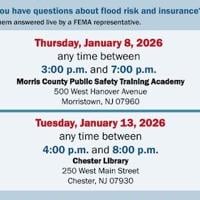
FEMA and the NJDEP have released revised preliminary flood maps for Morris County, reshaping how homeowners, real estate agents, insurers, and mortgage professionals assess flood risk. The updated FIRMs may shift properties into or out of higher‑risk zones, affecting insurance requirements, closing processes, and long‑term property values. With public review and appeals ahead, industry professionals are urged to study the changes now and prepare clients for potential impacts.