US Workers’ Comp Market Faces Rising Costs and Regulatory Shifts in 2026
The US workers’ compensation landscape is heading into a defining year as 2026 approaches, with rising medical expenses, complex claim types, and shifting state regulations reshaping the market. According to the latest Workers’ Compensation Market Outlook from Risk Placement Services, insurers, brokers, and employers will need to adapt quickly to maintain stability and manage escalating risks.
Medical Costs and Complex Claims on the Rise
Medical inflation remains one of the largest drivers behind rising claim severity. In several states, healthcare costs continue climbing beyond national averages, stretching claim duration and increasing overall losses. These escalating expenses are forcing insurers to rethink how they structure reserves and refine forecasting models.
Cumulative trauma claims—such as repetitive stress injuries and musculoskeletal disorders—are also intensifying pressure. These injuries often require specialized diagnostics and long-term treatment, causing unexpected surges in medical spending.
Regulatory Changes Tighten State-Level Pressures
Expanding state presumption laws are providing broader protections for first responders, healthcare staff, and workers in high-risk fields. As states extend coverage for conditions like PTSD, insurers must evolve underwriting strategies to stay aligned with emerging risk categories.
California continues to influence nationwide trends, reporting a sharp combined loss ratio of 127%. States such as Florida, Texas, and New York show fluctuating claim patterns shaped by unique workforce demographics and economic factors.
Technology and Innovation Transform Workplace Safety
AI-driven monitoring, predictive analytics, and wearable safety devices are becoming vital for reducing injury frequency. Companies that adopt these technologies are experiencing improved safety outcomes and more accurate underwriting insights—an essential shift in a tightening marketplace.
Alternative Risk Financing Gains Momentum
More organizations are embracing captives, hybrids, and self-insured structures as traditional markets harden. These strategies create flexibility and help businesses better navigate industries where claim severity continues to climb.
Altogether, the 2026 forecast suggests continued pressure—yet also significant opportunities for innovation, preparedness, and smarter risk management.
Where Professionals Go From Here
For professionals in insurance, risk management, and compliance, staying educated is key. Institutions like Cameron Academy support both new and experienced professionals by offering licensing, continuing education, and skill‑building programs across all 50 states. In a changing market, education is the strongest advantage.
Explore the Original Report
For a deeper look into the 2026 workers’ comp outlook, visit Insurance Business Magazine. Tap or click to open the full feature.
More Articles
Getting licensed or staying ahead in your career can be a journey—but it doesn’t have to be overwhelming. Grab your favorite coffee or tea, take a moment to relax, and browse through our articles. Whether you’re just starting out or renewing your expertise, we’ve got tips, insights, and advice to keep you moving forward. Here’s to your success—one sip and one step at a time!
December is bringing more than holiday stress—mortgage rates are climbing as the Federal Reserve delivers mixed signals and key economic reports face delays. After sharp swings in November, analysts expect rates to rise through the month, with internal disagreements among Fed members adding to the turbulence. As lenders recalibrate their expectations for early 2026, buyers and industry professionals should brace for rapid, unpredictable rate movements.
Artificial intelligence is rapidly transforming how real estate professionals work, and this week’s updates highlight just how fast the tech is evolving. Rechat’s new integration with Follow Up Boss streamlines CRM, marketing, and communication into one powerful workflow. RealScout has introduced an AI‑driven search tool built specifically for agents, delivering precise results from natural language prompts. Meanwhile, UtahRealEstate.com has launched AI voice search for consumers, offering real‑time conversational home‑finding. Together, these advancements signal a new era of efficiency and opportunity for both new and seasoned real estate professionals.
The Government Accountability Office is urging the FHFA to issue clear, updated guidance for Fannie Mae and Freddie Mac as AI‑driven tools reshape the mortgage industry. With automated valuations, underwriting systems, and algorithmic advertising carrying risks of embedded bias, regulators fear that fast‑moving proptech innovations may unintentionally reinforce past discrimination. The call for action comes as federal oversight shifts and industry professionals face growing pressure to stay compliant in an increasingly digital housing market.
Florida’s real estate and insurance sectors are undergoing major end‑of‑year shifts, from new AI oversight proposals and cooling housing markets to rising insurance premiums and transformative housing legislation. With inventory changes, pricing corrections, and new educational opportunities emerging across the state, professionals and students alike can use these insights to stay ahead in a rapidly evolving 2025–2026 landscape.
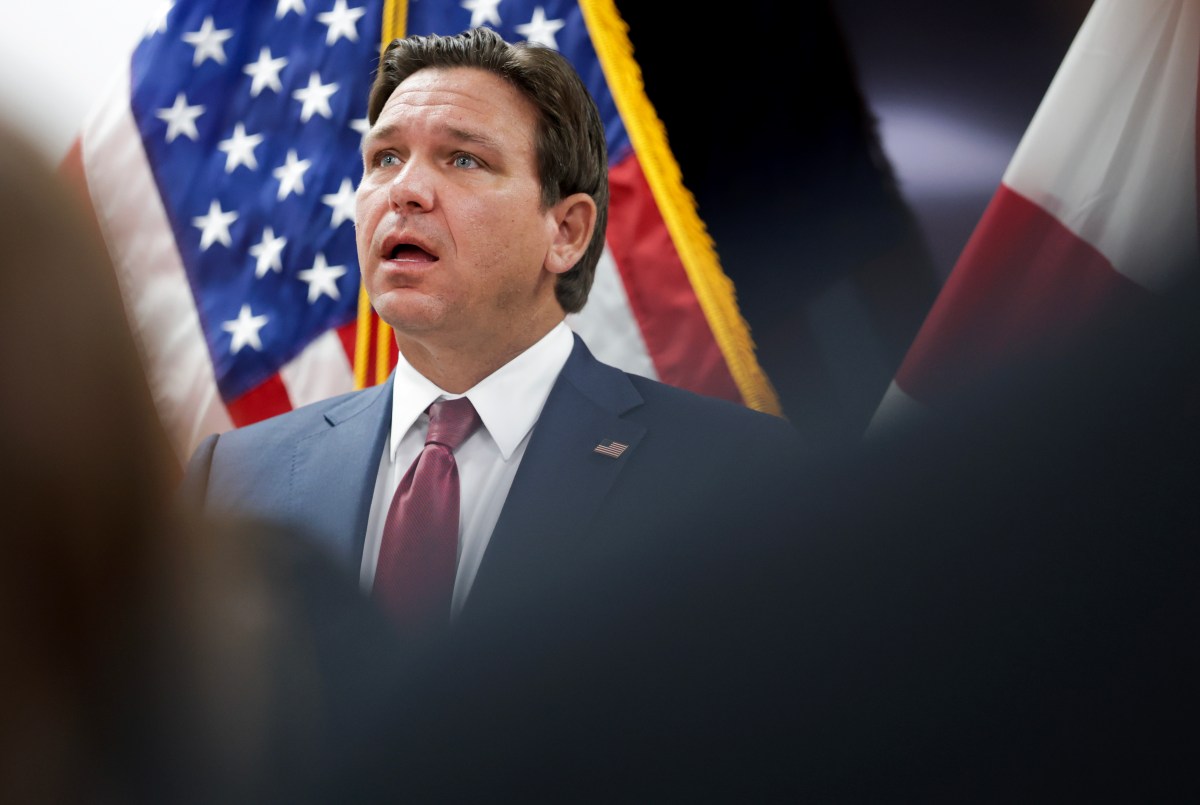
New analysis shows that eliminating property taxes in Florida—an idea promoted by Governor Ron DeSantis—could instantly raise home prices by 7 to 9 percent. While current homeowners may welcome the boost, experts warn it would worsen the state’s affordability crisis and shift tax burdens elsewhere, making it harder for future buyers and first‑time homeowners to enter the market.
Cyprus is rolling out sweeping housing and construction reforms, including fast‑track permits, incentives for affordable development, and a push for EU‑wide housing strategy. With single‑ and two‑family home approvals targeted at 40 days and apartment buildings at 80, the nation is tackling delays and boosting supply—offering insights and parallels for U.S. real estate and development professionals watching global trends.