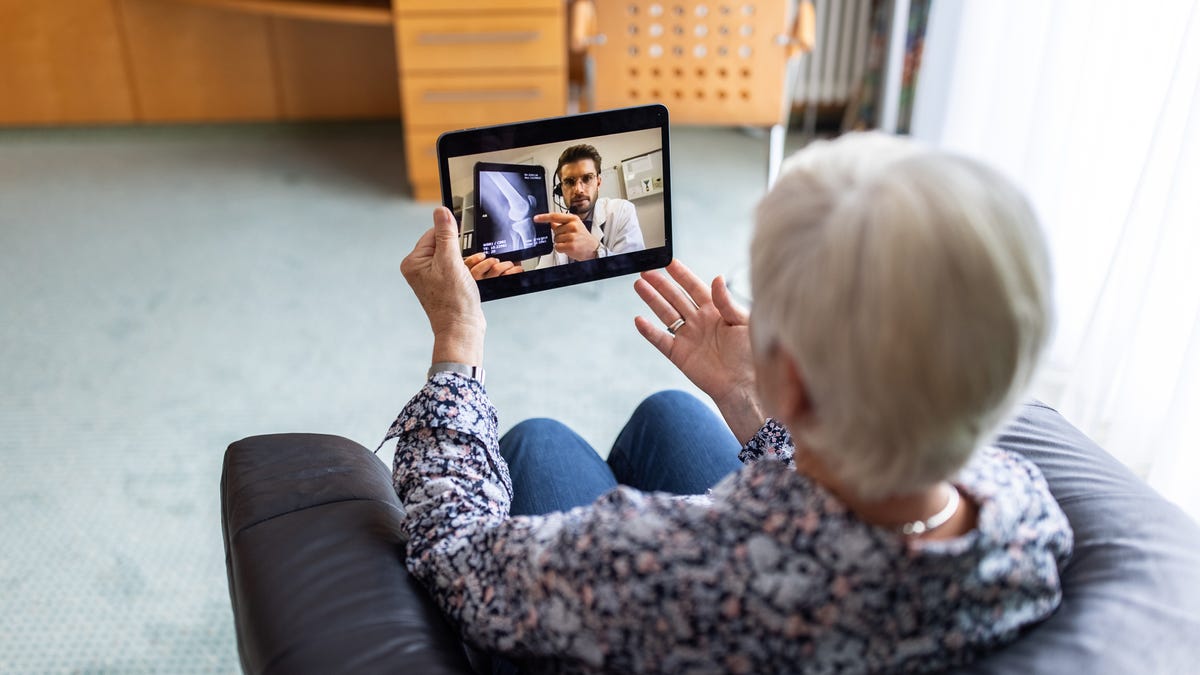
The University of South Dakota is poised to revolutionize its approach to healthcare education through a substantial $1.1 million federal grant. Awarded by the Health Resources and Services Administration (HRSA), this funding aims to enhance telehealth services for the residents of South Dakota, a state where healthcare access can be challenging, particularly in rural areas.

This transformative initiative is a collaborative effort among USD’s School of Health Sciences, Sanford School of Medicine, Department of Communication Sciences & Disorders, and Department of Psychology. Together, these departments will construct the necessary infrastructure and develop a skilled workforce to advance the telehealth project. This will enable broader service reach through spoke sites, eliminating the need for patients or providers to travel.

With the support of Senator Mike Rounds, the Telehealth Collaborative seeks to build upon USD Health Affairs’ existing investments in cutting-edge technology. “We are thankful to Senator Rounds for supporting the Telehealth Collaborative and nurturing the next generation of healthcare leaders in the state,” remarked USD President Sheila K. Gestring. “This grant not only solidifies USD’s dedication to innovative and accessible healthcare, but it also underscores our commitment to serving South Dakota communities.”

The Collaborative has outlined several pivotal goals:
  • Establishing an interdisciplinary telehealth platform for training healthcare students.
  • Developing a telehealth curriculum and certificate program.
  • Recruiting faculty and staff with telehealth expertise.
  • Fostering collaborations to support rural sites using a hub-and-spoke telehealth model, especially in underserved areas.
  • Creating a regional telehealth consortium aimed at sharing resources, education, training, service, and research.

The project emphasizes integrating telehealth into educational models to ensure healthcare providers are well-trained and confident in utilizing telehealth technology. Through simulated and real patient/client interactions, the two-year project endeavors to produce a practice-ready workforce equipped with cutting-edge skills and improve access to quality care throughout South Dakota.

Senator Rounds highlighted the project’s significance, stating: “This crucial investment will construct the necessary infrastructure for telehealth education, equipping future healthcare professionals with modern tools and technology. By enhancing access to quality care, especially in rural and underserved areas, this initiative will strengthen healthcare delivery across South Dakota.”

For more information, you can read the original article from KXLG.

More Articles

Getting licensed or staying ahead in your career can be a journey—but it doesn’t have to be overwhelming. Grab your favorite coffee or tea, take a moment to relax, and browse through our articles. Whether you’re just starting out or renewing your expertise, we’ve got tips, insights, and advice to keep you moving forward. Here’s to your success—one sip and one step at a time!

Revolutionizing Healthcare: Telemedicine Services in 2024

In 2024, telemedicine services have expanded not only in availability but also in the variety of offerings tailored to meet diverse patient needs and preferences.

By |December 31, 2024|Categories: Article, Healthcare, Telemedicine Services|Tags: , |0 Comments

Revolutionizing Neurology: The AI Frontier

In a groundbreaking exploration of artificial intelligence's (AI) transformative potential, a recent article published by Frontiers delves into how AI is reshaping the landscape of neurological care, particularly in emergency settings.

By |December 30, 2024|Categories: Article, Artificial Intelligence, Neurology|Tags: |0 Comments

Public Perception of Genetic Engineering: Insights Before and After the CRISPR Era

The introduction of CRISPR-Cas9 in 2012 was a groundbreaking moment in the field of genetics, offering a more accessible method for precise genome modifications. This advancement has not only transformed genetic research but also ignited debates on the ethical implications of modifying human and animal genomes.

By |December 30, 2024|Categories: Article, Genetics, Public Perception|Tags: , |0 Comments

Revolutionizing Real Estate: The Impact of IoT

The integration of IoT (Internet of Things) into real estate is revolutionizing how we perceive and manage our living spaces. With over 15 billion IoT devices currently in use, a number expected to reach 29 billion by 2030, the potential for innovation is immense.

By |December 30, 2024|Categories: Article, Real Estate, Technology|Tags: , |0 Comments

Key Property Investment Trends to Watch in 2025

Investors who adapt to changes in market dynamics, prioritize sustainability, and leverage technology will be well-positioned for success. As Johan Hajji emphasizes, staying ahead of the curve is essential for maximizing returns in this competitive environment.

By |December 30, 2024|Categories: Article, Investment Trends, Real Estate|Tags: , |0 Comments

CMS Unveils Limited Digital Health Policies in Final Medicare Rule

CMS's authority in shaping digital health payment policies is limited, highlighting the need for congressional action to create a new benefit category for digital therapeutics.


By |December 29, 2024|Categories: Article, Digital Health, Healthcare Policy|Tags: , |0 Comments