The University of South Dakota is poised to revolutionize its approach to healthcare education through a substantial $1.1 million federal grant. Awarded by the Health Resources and Services Administration (HRSA), this funding aims to enhance telehealth services for the residents of South Dakota, a state where healthcare access can be challenging, particularly in rural areas.

This transformative initiative is a collaborative effort among USD’s School of Health Sciences, Sanford School of Medicine, Department of Communication Sciences & Disorders, and Department of Psychology. Together, these departments will construct the necessary infrastructure and develop a skilled workforce to advance the telehealth project. This will enable broader service reach through spoke sites, eliminating the need for patients or providers to travel.

With the support of Senator Mike Rounds, the Telehealth Collaborative seeks to build upon USD Health Affairs’ existing investments in cutting-edge technology. “We are thankful to Senator Rounds for supporting the Telehealth Collaborative and nurturing the next generation of healthcare leaders in the state,” remarked USD President Sheila K. Gestring. “This grant not only solidifies USD’s dedication to innovative and accessible healthcare, but it also underscores our commitment to serving South Dakota communities.”

The Collaborative has outlined several pivotal goals:
  • Establishing an interdisciplinary telehealth platform for training healthcare students.
  • Developing a telehealth curriculum and certificate program.
  • Recruiting faculty and staff with telehealth expertise.
  • Fostering collaborations to support rural sites using a hub-and-spoke telehealth model, especially in underserved areas.
  • Creating a regional telehealth consortium aimed at sharing resources, education, training, service, and research.

The project emphasizes integrating telehealth into educational models to ensure healthcare providers are well-trained and confident in utilizing telehealth technology. Through simulated and real patient/client interactions, the two-year project endeavors to produce a practice-ready workforce equipped with cutting-edge skills and improve access to quality care throughout South Dakota.

Senator Rounds highlighted the project’s significance, stating: “This crucial investment will construct the necessary infrastructure for telehealth education, equipping future healthcare professionals with modern tools and technology. By enhancing access to quality care, especially in rural and underserved areas, this initiative will strengthen healthcare delivery across South Dakota.”

For more information, you can read the original article from KXLG.

More Articles

Getting licensed or staying ahead in your career can be a journey—but it doesn’t have to be overwhelming. Grab your favorite coffee or tea, take a moment to relax, and browse through our articles. Whether you’re just starting out or renewing your expertise, we’ve got tips, insights, and advice to keep you moving forward. Here’s to your success—one sip and one step at a time!

The Digital Healthcare Revolution: Transforming Patient Care with Technology

The global digital health market is set to skyrocket, with projections estimating it will reach $551.09 billion by 2027. This growth is fueled by innovations that are setting new benchmarks in healthcare delivery.

By |November 28, 2024|Categories: Article, Healthcare, Technology|Tags: , |0 Comments

University of Pennsylvania Pioneers the Planetary Health Curriculum

This innovative program equips medical students with the knowledge to understand and mitigate the effects of climate change on human health.

The Deep-Learning Triple Threat Transforming Medical Imaging

AI is being hailed as a "triple threat" in radiology, impacting planning, scanning, and diagnosis. As detailed in a recent column by Kelly Londy of GE HealthCare, these intelligent imaging systems are ushering in seismic changes reminiscent of the transformative impact of computer-assisted tomography in the late 20th century.

Federal Reserve’s Interest Rate Cut: Implications for the Housing Market

In a significant move that has captured the attention of economists and homebuyers alike, the Federal Reserve recently announced a half-percentage-point cut in interest rates. This decision is poised to bring about notable changes in the housing market, though not all effects may be beneficial for prospective homeowners.

By |November 27, 2024|Categories: Article, Economics, Real Estate|Tags: , |0 Comments

Public Perceptions of AI in Healthcare: A Balancing Act Between Innovation and Ethics

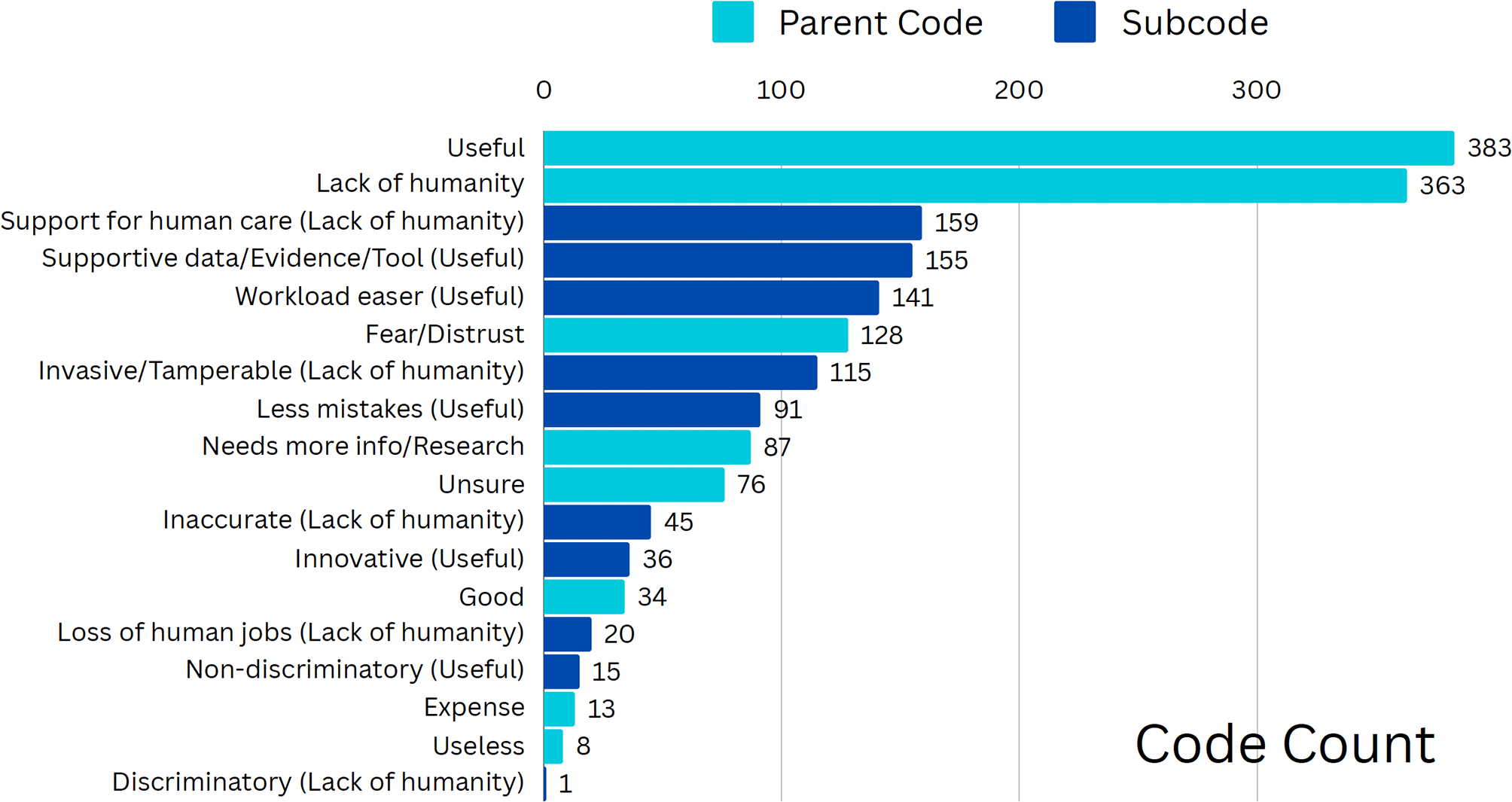
In the rapidly evolving landscape of healthcare, the integration of artificial intelligence (AI) stands as a beacon of both promise and concern. The research underscores a significant tension: while AI has the capability to enhance healthcare delivery, there is palpable unease about its impact on the traditional physician-patient relationship.

By |November 27, 2024|Categories: Article, Ethics, Healthcare|Tags: , |0 Comments

The Ethical Dilemmas of AI: A Modern Conundrum

As artificial intelligence (AI) technology advances, it presents a myriad of ethical dilemmas and challenges that demand urgent attention. The USC Annenberg School for Communication and Journalism recently explored these pressing issues, highlighting the complexities involved in AI's deployment.

By |November 27, 2024|Categories: Article, Ethics, Technology|Tags: , |0 Comments