As the automotive industry experiences a digital revolution, vehicle-to-everything (V2X) technology emerges as a cornerstone for a smarter, safer, and more efficient transportation future. This technology enables seamless communication between vehicles, pedestrians, and infrastructure, transforming a vision once confined to science fiction into a tangible reality.
The potential of V2X technology is immense. It promises to revolutionize traffic management by optimizing signal timings at intersections, thereby reducing congestion and emissions. More crucially, it can enhance emergency response times by allowing vehicles to clear pathways for ambulances through preemptive alerts, moving beyond the reliance on visual sirens.
However, deploying V2X technology on a large scale presents formidable challenges. The technical challenges include ensuring low-latency and high-reliability communications, which are critical for safety applications where split-second decisions are vital. Comprehensive testing to mimic urban environments with high interference is indispensable.
Equally important are the environmental challenges. V2X systems must remain reliable under diverse conditions, necessitating rigorous testing across various scenarios, such as adverse weather and unexpected driving patterns. Additionally, the regulatory challenges of adhering to different standards and guidelines globally add complexity to the deployment process.
To address these issues, DXC Luxoft has developed an extensive testing framework to ensure that V2X systems are robust, secure, and compliant with international standards. Their System Test & Validation team focuses on creating a cohesive testing strategy that addresses latency, reliability, and environmental factors, positioning the technology for global deployment. Collaboration with OEMs and suppliers ensures continuous improvement and alignment with industry standards, setting a benchmark for innovation.
V2X technology stands at the brink of transforming transportation systems, promising a smarter, more connected world. With dedicated efforts by industry leaders like DXC Luxoft, the potential of V2X is being realized through rigorous testing and validation, creating a pathway to safer roads and enhanced user experiences.
About the Author
For more insights into the transformative power of V2X technology, visit the original article here.
More Articles
Getting licensed or staying ahead in your career can be a journey—but it doesn’t have to be overwhelming. Grab your favorite coffee or tea, take a moment to relax, and browse through our articles. Whether you’re just starting out or renewing your expertise, we’ve got tips, insights, and advice to keep you moving forward. Here’s to your success—one sip and one step at a time!
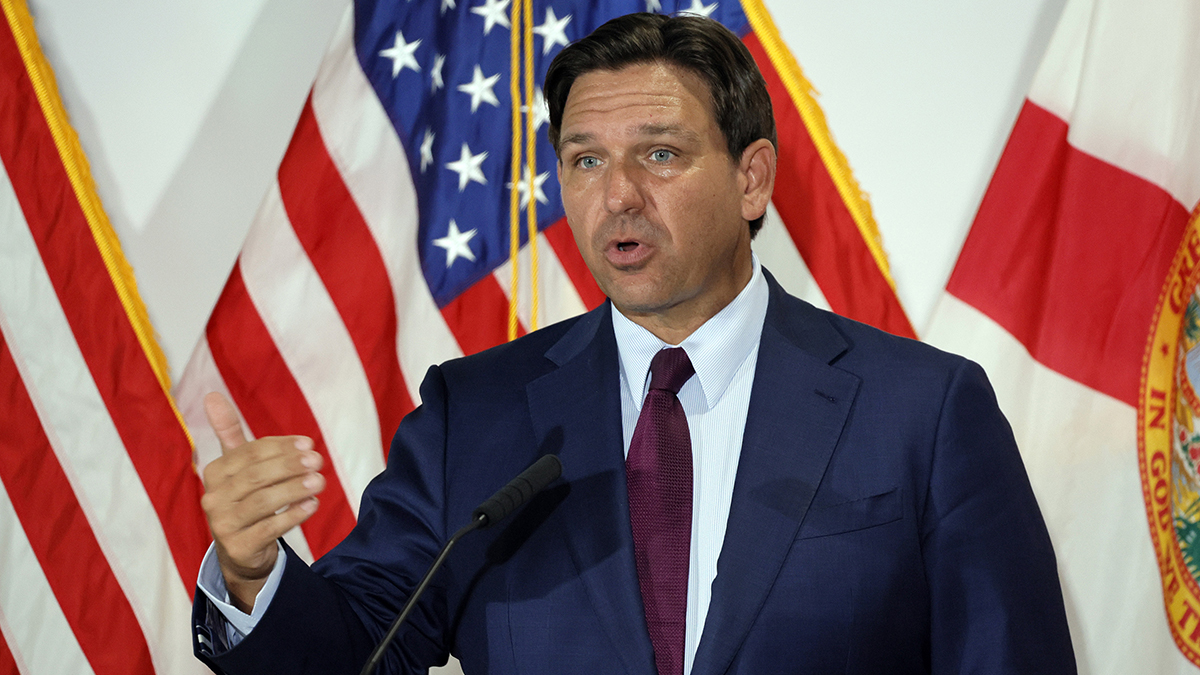
Florida homeowners — especially in hard‑hit South Florida — are set to see rare and substantial reductions in their property insurance premiums. Gov. Ron DeSantis announced an average statewide Citizens Insurance decrease of 8.7%, with even larger savings of up to 14% in counties like Miami-Dade, Broward, and Palm Beach. State officials credit recent legal and regulatory reforms for stabilizing the market, attracting new insurers, and delivering the first meaningful rate relief Floridians have seen in years.
Tampa’s commercial real estate market isn’t slowing—it’s maturing. With strong population growth, rising office demand, a normalized industrial sector, resurgent retail, and an emerging health‑care real estate boom, investors are shifting from speed to strategy. Tighter underwriting, cautious capital and increased due‑diligence are shaping a more disciplined market, creating new opportunities for informed professionals.
Florida homeowners are finally seeing relief as Citizens Property Insurance announces a major 8.7% average rate decrease—far larger than originally proposed. Driven by legislative reforms, fewer lawsuits, and a calm hurricane season, the state’s once‑unstable insurance market is showing real signs of recovery. But with reduced coverage limits and shifting legal protections, experts warn that lower premiums may come with hidden trade‑offs.
After a decade of rising premiums and retreating carriers, Florida homeowners are finally seeing long‑awaited relief. Dozens of insurers have filed for rate decreases—some as high as 11%—thanks to legislative reforms and a stabilizing market. Early approvals are already hitting counties across the state, and experts say the momentum could boost buyer confidence, affordability, and competition throughout Florida’s real estate and insurance sectors.
After years of slowed activity caused by rising interest rates, the self‑storage industry is heating up again. New data from Marcus & Millichap shows a fresh market cycle emerging, driven by renewed buyer confidence, recalibrated pricing, and stronger lender participation. Acquisitions are rebounding, development is resetting in a healthier direction, and financing conditions are improving—creating one of the most promising investment landscapes the sector has seen in years.
Brookline’s newly updated FEMA flood maps identify 97 high‑risk parcels, but local experts warn the true threat is far greater. While FEMA highlights river‑based flooding around Leverett Pond and the Muddy River, alternative models show more than 1,300 Brookline properties at risk within 30 years. Hidden vulnerabilities along major corridors like Beacon Street, rising rainfall intensity, aging infrastructure, and climate‑driven storm patterns suggest that many “low‑risk” areas may be anything but safe.