As the automotive industry experiences a digital revolution, vehicle-to-everything (V2X) technology emerges as a cornerstone for a smarter, safer, and more efficient transportation future. This technology enables seamless communication between vehicles, pedestrians, and infrastructure, transforming a vision once confined to science fiction into a tangible reality.
The potential of V2X technology is immense. It promises to revolutionize traffic management by optimizing signal timings at intersections, thereby reducing congestion and emissions. More crucially, it can enhance emergency response times by allowing vehicles to clear pathways for ambulances through preemptive alerts, moving beyond the reliance on visual sirens.
However, deploying V2X technology on a large scale presents formidable challenges. The technical challenges include ensuring low-latency and high-reliability communications, which are critical for safety applications where split-second decisions are vital. Comprehensive testing to mimic urban environments with high interference is indispensable.
Equally important are the environmental challenges. V2X systems must remain reliable under diverse conditions, necessitating rigorous testing across various scenarios, such as adverse weather and unexpected driving patterns. Additionally, the regulatory challenges of adhering to different standards and guidelines globally add complexity to the deployment process.
To address these issues, DXC Luxoft has developed an extensive testing framework to ensure that V2X systems are robust, secure, and compliant with international standards. Their System Test & Validation team focuses on creating a cohesive testing strategy that addresses latency, reliability, and environmental factors, positioning the technology for global deployment. Collaboration with OEMs and suppliers ensures continuous improvement and alignment with industry standards, setting a benchmark for innovation.
V2X technology stands at the brink of transforming transportation systems, promising a smarter, more connected world. With dedicated efforts by industry leaders like DXC Luxoft, the potential of V2X is being realized through rigorous testing and validation, creating a pathway to safer roads and enhanced user experiences.
About the Author
For more insights into the transformative power of V2X technology, visit the original article here.
More Articles
Getting licensed or staying ahead in your career can be a journey—but it doesn’t have to be overwhelming. Grab your favorite coffee or tea, take a moment to relax, and browse through our articles. Whether you’re just starting out or renewing your expertise, we’ve got tips, insights, and advice to keep you moving forward. Here’s to your success—one sip and one step at a time!
Local elections across major U.S. cities have kicked off a wave of policy changes that could reshape development costs, rental income, and investment strategies heading into 2026. From NYC’s aggressive tenant‑protection agenda to Chicago’s sustainability push, Miami’s political uncertainty, and Boston’s steady zoning overhaul, the post‑election environment is redefining how real estate professionals, investors, and lenders should prepare for the year ahead.
Insurance carriers are rapidly rolling out AI-related exclusions that strip coverage from claims involving AI tools, automated decision‑making, or generative platforms like ChatGPT and Midjourney. With firms like Berkley and Hamilton introducing sweeping “absolute” and generative‑AI‑specific exclusions, professionals in real estate, mortgage, insurance, and finance now face new liability gaps. As AI becomes unavoidable in everyday work, understanding these exclusions is essential for protecting your career and staying compliant in a fast‑changing risk environment.
Proptech startup Venn has raised a $52 million Series B to unify the entire renting lifecycle into one intelligent platform, replacing over a dozen traditional systems and serving more than half a million tenants. As AI‑powered tools like Venn rapidly reshape property operations, real estate professionals — especially in fast‑moving markets like Florida — will need stronger education and tech‑savvy skills to stay competitive.
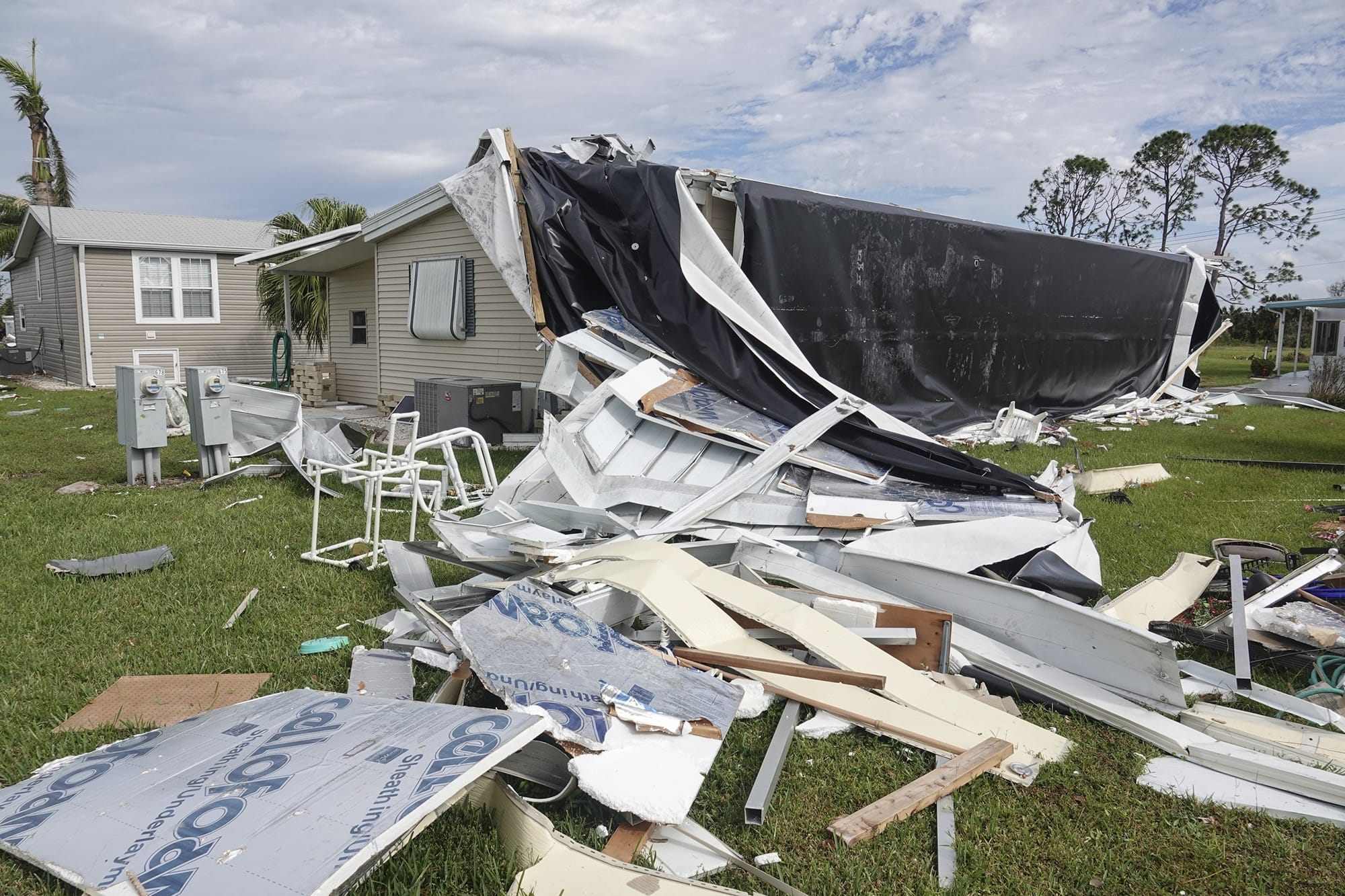
Florida’s Gulf Coast is undergoing a dramatic transformation as soaring insurance premiums, costly construction requirements, and the long shadow of Hurricane Ian force middle‑class families, workers, and longtime residents out of communities they once anchored. With premiums topping $5,700 a year — and many paying far more — Realtors warn of looming foreclosures, renters face steep increases, and entire neighborhoods are being rebuilt for wealthier newcomers. This mounting crisis is reshaping the state’s real estate landscape and leaving professionals scrambling to adapt.
Economic uncertainty, rapid tech advances and shifting population patterns are setting the stage for a pivotal year in commercial real estate. New findings from the Counselors of Real Estate, presented at NAR NXT, outline ten major forces reshaping strategy, investment and opportunity in 2026—from policy impacts and portfolio risk to AI adoption, capital flow changes, housing attainability and demographic shifts. This outlook offers clarity and caution for professionals across real estate, mortgage, finance and related fields.
Florida’s home insurance crisis is back in the spotlight as new reforms appear to be repeating decades‑old mistakes. Despite efforts to depopulate Citizens and attract private insurers, many of the companies taking over policies have ties to past insolvencies. Critics say weak oversight, generous ratings, and political influence are allowing unstable insurers to thrive while homeowners pay more for less protection. Experts warn that without transparent ratings, real accountability, and unified regulation, Florida’s insurance market will remain vulnerable—putting property values, lending, and the broader real estate industry at risk.