VanEd has been a beacon of excellence in real estate education since 1997, nurturing some of the industry’s most successful figures. The institution takes pride in the strong relationships it builds with its students, offering continuous education and a platform for success stories. The VanEd Student Success Stories program is a testament to this commitment, highlighting graduates who have made significant strides in their real estate careers.
Spotlight on Success
The program places a spotlight on several outstanding students:
Kate Kelley is passionate about real estate as an opportunity to lead and serve the community. She emphasizes the importance of engagement and leadership, believing that with great opportunity comes great responsibility. Her story inspires others to actively participate and give back to their communities.
Jennifer Bergman, a newer agent, gained recognition for her successful YouTube channel about real estate study materials. Her channel, started while preparing for her licensing exams, has significantly contributed to her early career rewards. Her story is a testament to the power of leveraging digital platforms for professional growth. You can explore more about her journey on her Facebook page.
Brenda Case has evolved her goals over her 25-year career, striving for financial stability and aiming to pass her business onto the next generation of energetic professionals. Her story reflects the dynamic nature of success and the importance of long-term vision.
Marty Vyn Boennighausen, an experienced broker in Westcliffe since 2001, is renowned for her deep knowledge of the local market and her professional approach. Her journey includes managing a significant property investment, demonstrating her expertise and commitment to delivering results for clients.
Inspiring Future Professionals
The Student Success Stories program not only celebrates individual achievements but also aims to inspire future real estate professionals. It enhances the professional community’s online presence by featuring students in VanEd’s monthly newsletter and dedicating full-page articles to their success and achievements.
Join the Spotlight
VanEd encourages graduates and others to get involved by sharing their stories through the Student Spotlight program. If you or someone you know is a VanEd student with a story to share, consider filling out the interest form to be featured in the next edition.
More Articles
Getting licensed or staying ahead in your career can be a journey—but it doesn’t have to be overwhelming. Grab your favorite coffee or tea, take a moment to relax, and browse through our articles. Whether you’re just starting out or renewing your expertise, we’ve got tips, insights, and advice to keep you moving forward. Here’s to your success—one sip and one step at a time!
Florida homeowners — especially in hard‑hit South Florida — are set to see rare and substantial reductions in their property insurance premiums. Gov. Ron DeSantis announced an average statewide Citizens Insurance decrease of 8.7%, with even larger savings of up to 14% in counties like Miami-Dade, Broward, and Palm Beach. State officials credit recent legal and regulatory reforms for stabilizing the market, attracting new insurers, and delivering the first meaningful rate relief Floridians have seen in years.
Tampa’s commercial real estate market isn’t slowing—it’s maturing. With strong population growth, rising office demand, a normalized industrial sector, resurgent retail, and an emerging health‑care real estate boom, investors are shifting from speed to strategy. Tighter underwriting, cautious capital and increased due‑diligence are shaping a more disciplined market, creating new opportunities for informed professionals.
Florida homeowners are finally seeing relief as Citizens Property Insurance announces a major 8.7% average rate decrease—far larger than originally proposed. Driven by legislative reforms, fewer lawsuits, and a calm hurricane season, the state’s once‑unstable insurance market is showing real signs of recovery. But with reduced coverage limits and shifting legal protections, experts warn that lower premiums may come with hidden trade‑offs.
After a decade of rising premiums and retreating carriers, Florida homeowners are finally seeing long‑awaited relief. Dozens of insurers have filed for rate decreases—some as high as 11%—thanks to legislative reforms and a stabilizing market. Early approvals are already hitting counties across the state, and experts say the momentum could boost buyer confidence, affordability, and competition throughout Florida’s real estate and insurance sectors.
After years of slowed activity caused by rising interest rates, the self‑storage industry is heating up again. New data from Marcus & Millichap shows a fresh market cycle emerging, driven by renewed buyer confidence, recalibrated pricing, and stronger lender participation. Acquisitions are rebounding, development is resetting in a healthier direction, and financing conditions are improving—creating one of the most promising investment landscapes the sector has seen in years.
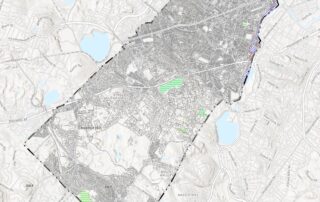
Brookline’s newly updated FEMA flood maps identify 97 high‑risk parcels, but local experts warn the true threat is far greater. While FEMA highlights river‑based flooding around Leverett Pond and the Muddy River, alternative models show more than 1,300 Brookline properties at risk within 30 years. Hidden vulnerabilities along major corridors like Beacon Street, rising rainfall intensity, aging infrastructure, and climate‑driven storm patterns suggest that many “low‑risk” areas may be anything but safe.