In the rapidly evolving landscape of digital investments, virtual real estate in metaverses is becoming a focal point for investors worldwide. The concept, while seemingly futuristic, is gaining traction as individuals and corporations alike are purchasing digital plots of land, akin to traditional real estate, within these expansive virtual worlds. The value of these digital assets is determined by factors such as location, size, and the popularity of the platform.
Exploring the Metaverse Investment Potential
Among the various platforms available, Decentraland, The Sandbox, and Holiverse are leading the charge. Each offers unique opportunities for investors to diversify their virtual portfolios. Decentraland stands out for its vibrant community and impressive growth, while The Sandbox has attracted attention with high-profile collaborations, including a landmark sale next to Snoop Dogg’s virtual mansion.
Holiverse, however, is making waves with its innovative approach to digital interaction. The platform has notably partnered with Dr. Dmitry Chebanov to integrate DNA avatar technology, allowing users to create digital prototypes based on genetic codes. This collaboration opens new doors in personalized medicine, offering potential for safer and more effective therapeutic practices.
The Influence of Celebrities and Corporations
The allure of virtual real estate is further amplified by the involvement of celebrities and major brands. Snoop Dogg’s creation of the “Snoop Verse” in The Sandbox and Ariana Grande’s concert in Fortnite highlight the entertainment potential of these digital spaces. Meanwhile, corporations like JP Morgan and Warner Music Group are establishing a presence in metaverses, signaling a growing acceptance and recognition of virtual real estate’s value.
Market Growth and Challenges
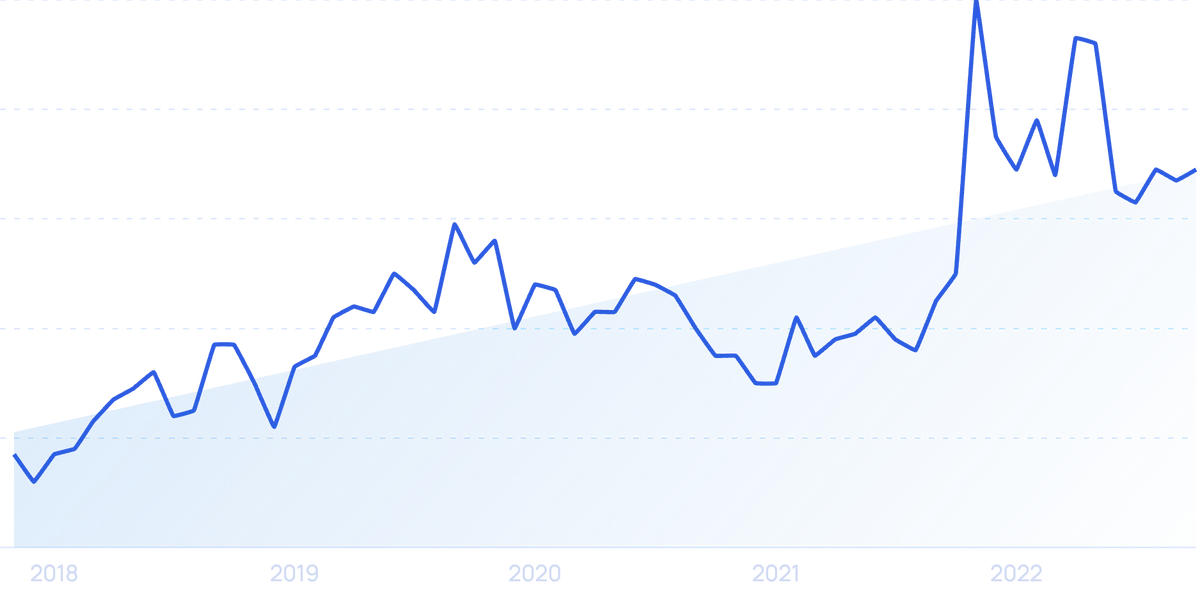
The virtual real estate market is on an upward trajectory, with projections indicating an increase from $1.14 billion in 2022 to $15.7 billion by 2030. North America currently leads this market, but the Asia Pacific region is expected to experience the fastest growth, driven by advancements in VR and AR technologies.
However, challenges persist. Cybersecurity remains a major concern as the value of virtual assets rises, and regulatory frameworks are still in development, posing potential risks for investors. Despite these hurdles, the future of virtual real estate looks promising, with continuous innovations in metaverse technologies paving the way for new investment opportunities.
For more insights, you can refer to the original article at e-architect.
More Articles
Getting licensed or staying ahead in your career can be a journey—but it doesn’t have to be overwhelming. Grab your favorite coffee or tea, take a moment to relax, and browse through our articles. Whether you’re just starting out or renewing your expertise, we’ve got tips, insights, and advice to keep you moving forward. Here’s to your success—one sip and one step at a time!
Notably, the review concludes that ESG factors generally contribute positively or neutrally to financial returns, suggesting that socially responsible investing is viable without compromising profitability.
In the ever-evolving world of real estate investment, the digital age has ushered in a new era of convenience and accessibility. According to a recent Business Insider article, the best apps for real estate investors in February 2025 offer a range of features designed to cater to both accredited and non-accredited investors.
The 2025 Commercial Real Estate Outlook by Deloitte urges organizations to strategically navigate the shifting tides to secure a robust position for the future.