In the rapidly evolving landscape of digital investments, virtual real estate in metaverses is becoming a focal point for investors worldwide. The concept, while seemingly futuristic, is gaining traction as individuals and corporations alike are purchasing digital plots of land, akin to traditional real estate, within these expansive virtual worlds. The value of these digital assets is determined by factors such as location, size, and the popularity of the platform.
Exploring the Metaverse Investment Potential
Among the various platforms available, Decentraland, The Sandbox, and Holiverse are leading the charge. Each offers unique opportunities for investors to diversify their virtual portfolios. Decentraland stands out for its vibrant community and impressive growth, while The Sandbox has attracted attention with high-profile collaborations, including a landmark sale next to Snoop Dogg’s virtual mansion.
Holiverse, however, is making waves with its innovative approach to digital interaction. The platform has notably partnered with Dr. Dmitry Chebanov to integrate DNA avatar technology, allowing users to create digital prototypes based on genetic codes. This collaboration opens new doors in personalized medicine, offering potential for safer and more effective therapeutic practices.
The Influence of Celebrities and Corporations
The allure of virtual real estate is further amplified by the involvement of celebrities and major brands. Snoop Dogg’s creation of the “Snoop Verse” in The Sandbox and Ariana Grande’s concert in Fortnite highlight the entertainment potential of these digital spaces. Meanwhile, corporations like JP Morgan and Warner Music Group are establishing a presence in metaverses, signaling a growing acceptance and recognition of virtual real estate’s value.
Market Growth and Challenges
The virtual real estate market is on an upward trajectory, with projections indicating an increase from $1.14 billion in 2022 to $15.7 billion by 2030. North America currently leads this market, but the Asia Pacific region is expected to experience the fastest growth, driven by advancements in VR and AR technologies.
However, challenges persist. Cybersecurity remains a major concern as the value of virtual assets rises, and regulatory frameworks are still in development, posing potential risks for investors. Despite these hurdles, the future of virtual real estate looks promising, with continuous innovations in metaverse technologies paving the way for new investment opportunities.
For more insights, you can refer to the original article at e-architect.
More Articles
Getting licensed or staying ahead in your career can be a journey—but it doesn’t have to be overwhelming. Grab your favorite coffee or tea, take a moment to relax, and browse through our articles. Whether you’re just starting out or renewing your expertise, we’ve got tips, insights, and advice to keep you moving forward. Here’s to your success—one sip and one step at a time!
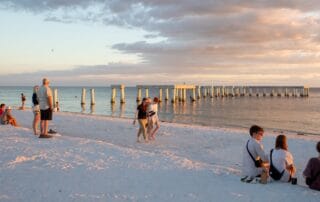
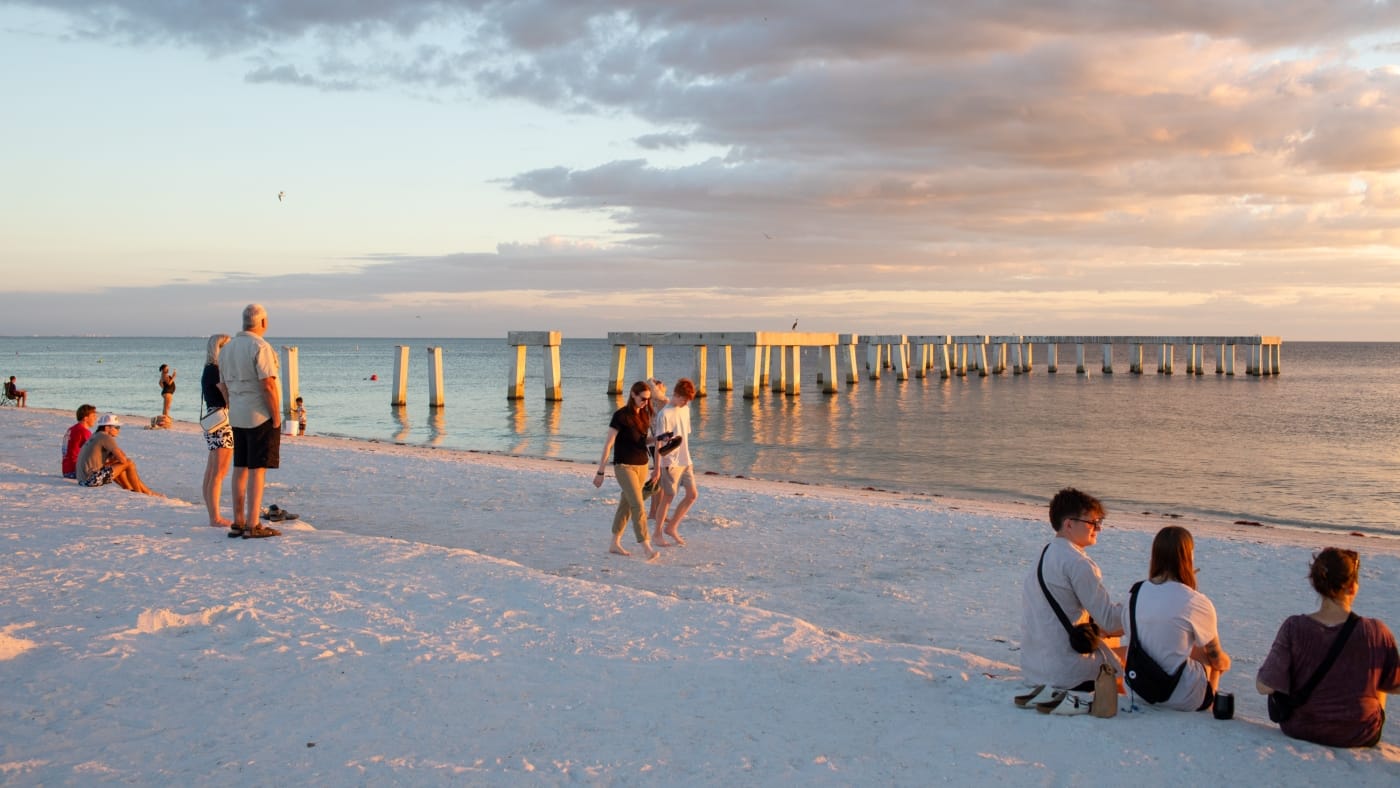
Fort Myers Beach is becoming the front line of a new Florida—one shaped by hurricane devastation, soaring insurance premiums, and rapid gentrification. Three years after Hurricane Ian, residents are still battling massive rebuilding costs and insurance bills that now exceed $5,700 a year on average, with flood insurance reaching $10,000 for some families. Long-time locals, small businesses, and service workers are being priced out as wealthy investors move in, transforming once-affordable coastal communities. Real estate professionals warn that foreclosures may rise if economic pressures continue, signaling a pivotal moment for Florida’s housing market and the professionals who serve it.
Economic uncertainty, AI disruption, slowing population growth, and rising portfolio risk are reshaping commercial real estate heading into 2026. A new report unveiled at NAR NXT highlights the forces that will reward informed professionals — and challenge those who aren’t prepared. From fiscal policy and shifting capital flows to tech transformation and housing shortages, the landscape is evolving fast. Cameron Academy breaks down the key issues so real estate, mortgage, finance, and insurance professionals can stay ahead of the curve.
A sudden federal shutdown of FEMA’s BRIC resiliency program has left cities and commercial property owners scrambling, exposing billions in real estate to rising climate threats. With nearly a billion dollars in mitigation funding clawed back and extreme weather intensifying, insurance premiums are expected to surge and coverage may shrink — placing new pressure on markets like Florida and New York.
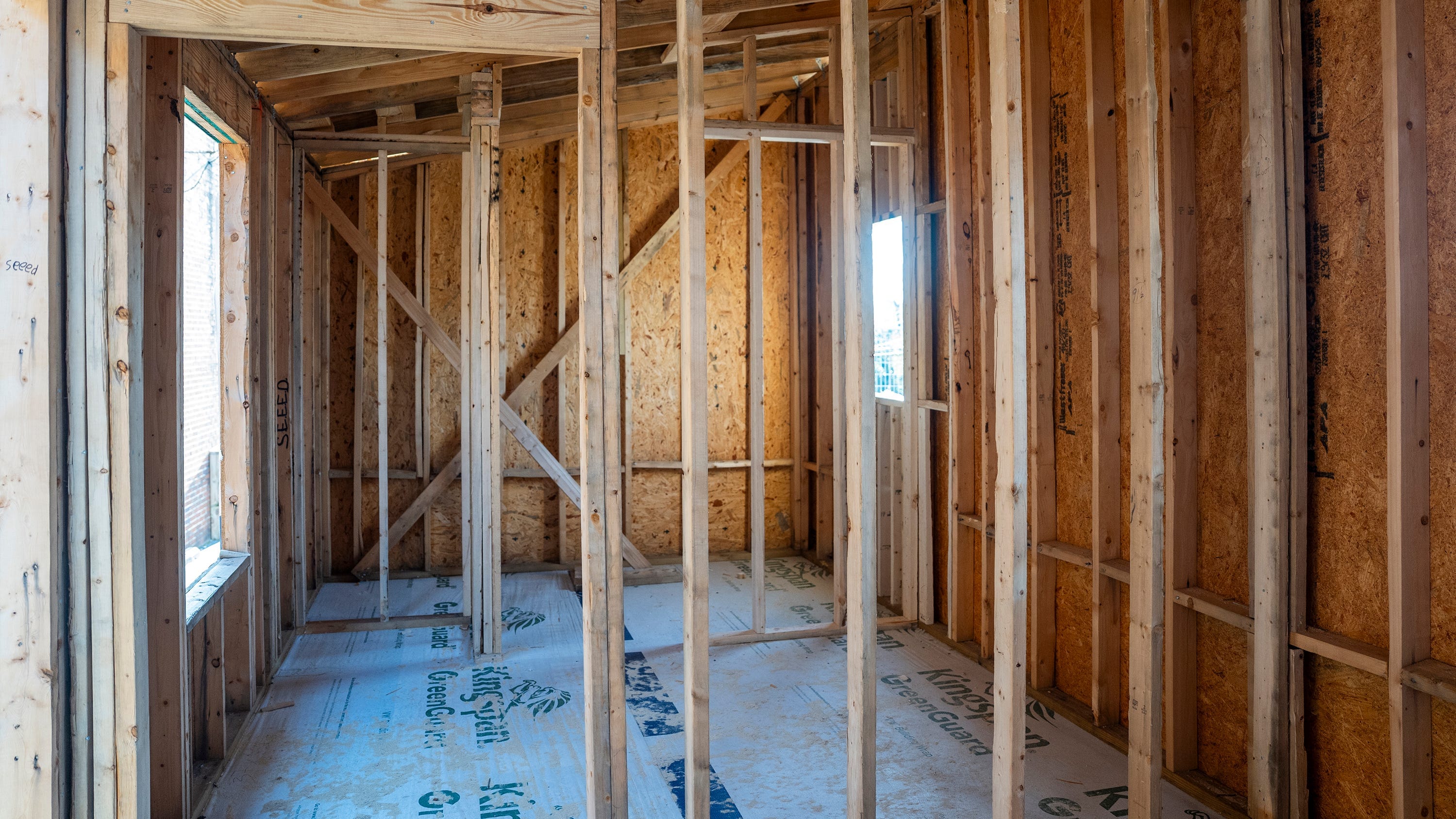
A new Florida Senate bill aims to stop cities and counties from blocking residential developments over vague “compatibility” concerns. Supporters say the measure would speed up homebuilding and ease housing shortages, while opponents argue it strips communities of essential oversight and could accelerate growth without proper planning. The proposal could reshape development timelines and land-use decisions statewide, making it a major issue for real estate professionals to watch.
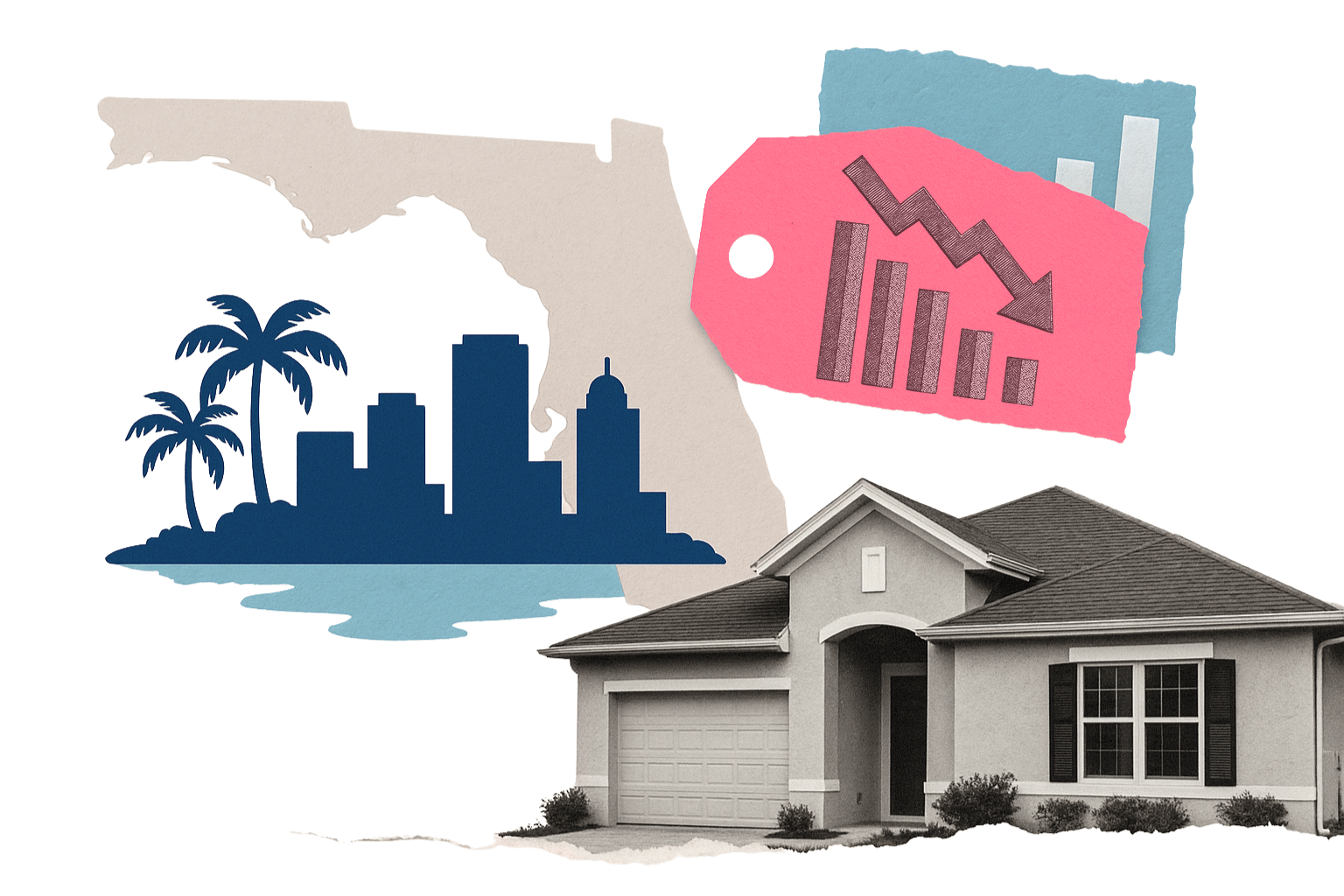
Cape Coral–Fort Myers has officially moved into buyer-friendly territory, with homes now sitting a median 119 days on the market—far longer than both the Florida and U.S. averages. Rising inventory, a 36.9 percent price‑reduction rate, and slower absorption compared to accumulated supply are giving buyers more leverage and time to negotiate, signaling a meaningful reset in this once‑fast‑moving Florida market.
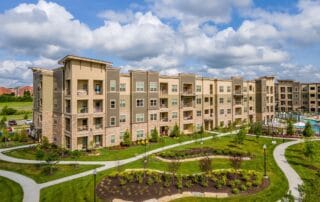
Kansas City’s commercial real estate sector is finally turning a corner after several years of sluggish activity. Retail is leading the rebound, while multifamily and industrial properties are gaining traction as pricing stabilizes and buyer confidence returns. A standout 2025 transaction—the sale of the 380‑unit Cyan Southcreek community—signals that capital is flowing back into the market. With bid‑ask spreads tightening and investor optimism rising, Kansas City is entering a period of renewed opportunity for real estate professionals and investors alike.


 Florida’s Middle Class Is Being Squeezed Out: Insurance Costs, Rebuilding Struggles, and a Changing Coastline Gallery