In the ever-evolving landscape of technology, virtual reality (VR) emerges as a transformative force, reshaping how we perceive and interact with digital environments. Originally a domain dominated by gaming, VR’s potential now extends far beyond entertainment, permeating sectors such as education, healthcare, and architecture. In a recent article by Built In, updated by Matthew Urwin on February 3, 2025, the multifaceted applications and future prospects of VR are explored in depth.

Virtual reality is defined as a computer-generated simulation that immerses users in a three-dimensional environment. This technology employs head-mounted displays equipped with motion-tracking technology and sensors, creating a seamless interaction between the user and the virtual world. The goal is to deceive the brain into believing it is fully present in a non-physical realm, engaging multiple senses such as sight, sound, and even smell.

Bharani Rajakumar, founder and CEO of the virtual reality training platform Transfr, highlights the immersive nature of VR: “You put on the headset and it feels like you are in a completely different location.” This ability to simulate various senses makes VR a powerful tool for exploration, education, and escapism.

While VR technology is still evolving, its adoption is expanding beyond gaming applications. Experts predict that VR is on the cusp of mainstream acceptance, with applications in diverse fields. For instance, VR is being used in education to create more engaging learning experiences, in medicine for detailed anatomical visualizations, and in architecture for virtual walkthroughs of construction sites.

The article delves into the mechanics of how VR works, explaining the use of dual screens within headsets to mimic our eyes’ natural depth perception. This is complemented by spatial audio and motion controllers, allowing users to navigate virtual spaces with up to six degrees of freedom.

Different types of virtual reality experiences are categorized as non-immersive, semi-immersive, and fully immersive. Each type varies in the level of interaction and immersion it provides. Fully immersive VR, for example, offers the most comprehensive experience, incorporating haptics to simulate physical touch in the virtual world.

The distinction between VR and augmented reality (AR) is also clarified. While VR transports users to entirely new environments, AR overlays digital elements onto the real world, creating an interactive experience without removing the user from their physical surroundings.

The future of VR looks promising, with advancements in affordability and accessibility on the horizon. As headsets become more compact and affordable, akin to everyday sunglasses, and as multi-sensory experiences become standard, the technology is poised for broader adoption. However, challenges remain, such as the high cost and complexity of VR devices, as well as consumer perception.

Emma Ridderstad, co-founder of Warpin, emphasizes the importance of integrating VR into everyday life: “Once businesses begin to invest in virtual reality, truly showcasing the added value that this technology can provide, that’s when these systems will start to break through to the mainstream.”

In conclusion, virtual reality is not just a fleeting trend but a significant technological evolution with the potential to revolutionize various industries. As we continue to explore its capabilities, VR promises to redefine how we learn, work, and play in the digital age. For a comprehensive understanding of VR’s current state and future trajectory, the original article by Built In offers valuable insights and detailed analysis.


More Articles

Getting licensed or staying ahead in your career can be a journey—but it doesn’t have to be overwhelming. Grab your favorite coffee or tea, take a moment to relax, and browse through our articles. Whether you’re just starting out or renewing your expertise, we’ve got tips, insights, and advice to keep you moving forward. Here’s to your success—one sip and one step at a time!

Massachusetts Investment Firm Makes Strategic Move Into Connecticut With $3.65M Red Robin-Anchored Purchase

Newman Properties, a Massachusetts-based investment firm, has expanded its footprint into Connecticut with the $3.65 million acquisition of a 6,350‑square‑foot retail building in Enfield. Anchored by national restaurant chain Red Robin, the property offers the type of stable tenancy investors seek when entering new markets. The deal underscores growing confidence in anchored retail assets and provides a valuable real-world example for real estate professionals studying market analysis, investment strategy, and portfolio expansion.

JPMorgan Flags a Sunbelt Slowdown as Florida and Texas See Sharp Home Price Drops

JPMorgan now expects national home prices to flatten in 2026, but the Sunbelt is telling a very different story. Florida home values are down 5.1%, Texas is down 2.4%, and analysts warn that years of rapid building are finally catching up to the region. As demand stabilizes and inventory swells, real estate professionals — especially in Florida — face a market full of challenges, opportunities, and critical timing decisions.

AI Is Reshaping Mortgage Underwriting in 2026 as Industry Pros Brace for Major Change

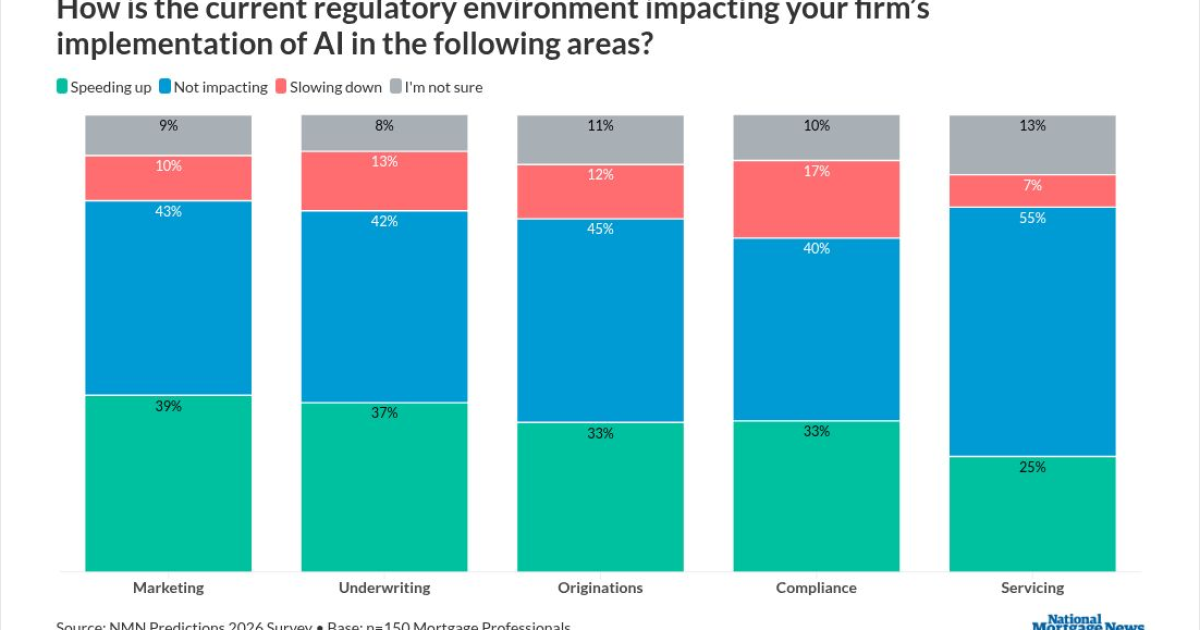
Artificial intelligence is finally stepping into the mortgage underwriting spotlight, with 57% of mortgage professionals predicting it will drive the most transformative industry shift in 2026. Thanks to major advancements in language models and workflow automation, AI is now capable of navigating the messy, document-heavy realities that have long slowed underwriting. From faster preapprovals to improved credit analysis and real‑time income verification, AI is streamlining processes while allowing underwriters to focus on true risk management. As regulatory winds shift and grassroots pressure builds within lending teams, the industry is entering a pivotal era where AI‑powered underwriting becomes not just an advantage — but an expectation.

Portland’s Commercial Market Suffers a Historic $2 Billion Collapse

Portland’s top 20 office towers have lost an unprecedented 70% of their value since 2019—plunging from $3 billion to under $1 billion—triggering tax revenue shortfalls, budget crises, and a surge in appeals as the city grapples with its biggest commercial real estate reset in modern history.

When Virtual Reality Becomes the New Penthouse Tour: Miami Students Step Inside a $1M Tech-Driven Luxury Tower Experience

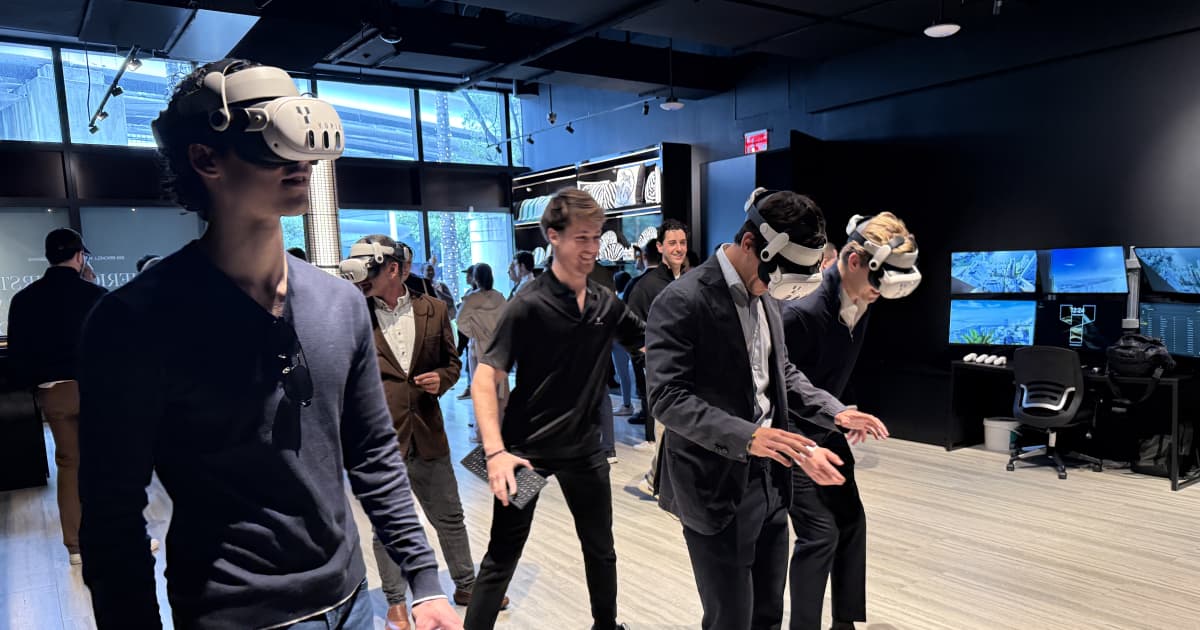
South Florida’s luxury real estate market just raised the bar again — this time with a $1 million virtual reality system that lets buyers walk through Dolce & Gabbana’s upcoming Miami tower long before construction wraps. Real estate master’s students were given an immersive look inside the project, discovering how VR is transforming high‑end development, influencing buyer psychology, and shaping the future skills today’s professionals need.

Long Island’s Latest Commercial Moves: From Pizza Huts to Auto Parts Warehouses

Long Island’s commercial real estate scene is kicking off 2026 with a surge of activity—industrial leases in Medford, neighborhood retail trades in Bohemia, Pizza Hut’s new DELCO expansion in Centereach, mixed‑use acquisitions in Melville, and major investor interest in bank‑leased and franchise-backed properties. From warehouses to restaurant rebrands, these deals highlight a region evolving fast and offering fresh opportunities for agents, investors, and professionals looking to stay ahead in the market.