Virtual Reality Upends the Housing Market

In a groundbreaking shift for the real estate industry, virtual reality (VR) and artificial intelligence (AI) are transforming property appraisals, staging, and transactions, according to a recent report by Scotsman Guide. As the real estate market continues to drive economies, these modern technologies provide crucial resources for sustainable revenue streams and operational optimization.

Revolutionizing Property Appraisals

Property appraisals, the backbone of real estate transactions, are being revolutionized by digital technology. Accurate assessments are vital for determining value, loan interest rates, and tax rates. The integration of VR and AI allows real estate professionals to efficiently study properties, sale prices, and demand, providing data-driven decisions. This technological advancement not only boosts efficiency but also ensures reliable mortgage services for lenders and clients.

Reducing Bias and Enhancing Efficiency

One of the most significant benefits of VR appraisals is the potential to limit racial or ethnic bias, a concern highlighted by the Federal Housing Finance Agency (FHFA). By enabling appraisers to tour homes virtually, VR offers a more immersive experience than traditional photos or videos, particularly for properties in remote areas. However, challenges such as the cost of equipment and varying state regulations remain.

Cost-Effective Property Staging

VR has also revolutionized property staging, a crucial step in enticing buyers and expediting sales. During the pandemic, VR proved invaluable as it allowed realtors to access new markets without geographical boundaries. The National Association of Realtors reported that 20% of buyers’ agents experienced increased sale prices by up to 5% for properties staged using VR. This technology offers significant cost savings, reducing staging expenses by up to 70% compared to traditional methods.

Future Prospects

The transformative impact of VR and AI on the real estate market is undeniable. With Goldman Sachs predicting the real estate VR market to reach billions by 2025, the future looks promising. By providing immersive, realistic experiences, VR is unlocking new revenue streams and expediting accurate property appraisals, ensuring the industry can sustain itself even during sharp market changes.

For more insights, explore the works of Pravin Vazirani, Assistant Vice President of Operations at Chetu, who brings over two decades of experience in IT and digital transformation.

As the real estate industry embraces these advanced technologies, it stands on the brink of a new era, where efficiency, accuracy, and innovation go hand in hand.

More Articles

Getting licensed or staying ahead in your career can be a journey—but it doesn’t have to be overwhelming. Grab your favorite coffee or tea, take a moment to relax, and browse through our articles. Whether you’re just starting out or renewing your expertise, we’ve got tips, insights, and advice to keep you moving forward. Here’s to your success—one sip and one step at a time!

2025 Commercial Real Estate Outlook: Navigating a New Era

The commercial real estate landscape is on the brink of transformation as leaders seek to navigate the challenges of recent years and position their organizations for future opportunities.

The Emerging Mental Health Crisis Among Healthcare Workers During the COVID-19 Pandemic

The pandemic has ushered in a wave of mental health challenges that affect healthcare workers profoundly. From the onset of COVID-19, these professionals have been at the forefront, facing immense pressure, long hours, and the constant fear of exposure.

By |December 18, 2024|Categories: Article, Healthcare Workers, Mental Health|Tags: , |0 Comments

Ethical Concerns of Large Language Models in Healthcare

Exploring the dual nature of LLMs offers substantial benefits in healthcare but also raises significant ethical concerns, underscoring the need for well-defined guidelines and human oversight.

The Role of Wearable Devices in Chronic Disease Monitoring and Patient Care: A Comprehensive Review

Wearable devices have become integral in managing chronic conditions by providing continuous health data, empowering patients and healthcare professionals with insights that were previously unattainable.

AI Training Mandates: Navigating Legal Waters in Dentistry

The integration of artificial intelligence (AI) into dental practices is more than a technological trend; it represents a seismic shift in the industry. This transformation is reshaping skill sets and prompting a thorough examination of legal and ethical implications.

By |December 17, 2024|Categories: Article, Legal, Technology|Tags: , |0 Comments

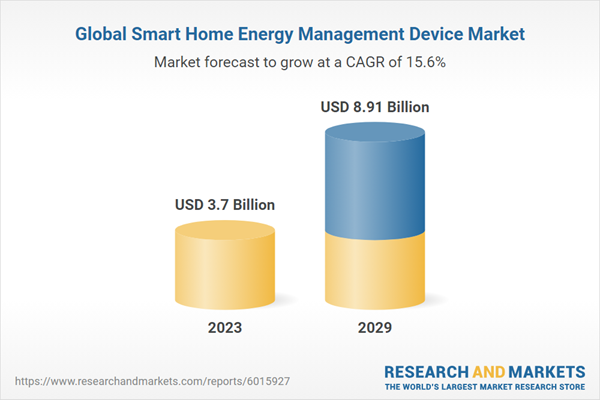
Smart Home Energy Management Devices: A Market Poised for Growth

The Global Smart Home Energy Management Device Market is on the brink of a significant transformation, driven by escalating demands for energy-efficient solutions and the increasing adoption of smart home technologies.