Virtual Reality Upends the Housing Market

In a groundbreaking shift for the real estate industry, virtual reality (VR) and artificial intelligence (AI) are transforming property appraisals, staging, and transactions, according to a recent report by Scotsman Guide. As the real estate market continues to drive economies, these modern technologies provide crucial resources for sustainable revenue streams and operational optimization.

Revolutionizing Property Appraisals

Property appraisals, the backbone of real estate transactions, are being revolutionized by digital technology. Accurate assessments are vital for determining value, loan interest rates, and tax rates. The integration of VR and AI allows real estate professionals to efficiently study properties, sale prices, and demand, providing data-driven decisions. This technological advancement not only boosts efficiency but also ensures reliable mortgage services for lenders and clients.

Reducing Bias and Enhancing Efficiency

One of the most significant benefits of VR appraisals is the potential to limit racial or ethnic bias, a concern highlighted by the Federal Housing Finance Agency (FHFA). By enabling appraisers to tour homes virtually, VR offers a more immersive experience than traditional photos or videos, particularly for properties in remote areas. However, challenges such as the cost of equipment and varying state regulations remain.

Cost-Effective Property Staging

VR has also revolutionized property staging, a crucial step in enticing buyers and expediting sales. During the pandemic, VR proved invaluable as it allowed realtors to access new markets without geographical boundaries. The National Association of Realtors reported that 20% of buyers’ agents experienced increased sale prices by up to 5% for properties staged using VR. This technology offers significant cost savings, reducing staging expenses by up to 70% compared to traditional methods.

Future Prospects

The transformative impact of VR and AI on the real estate market is undeniable. With Goldman Sachs predicting the real estate VR market to reach billions by 2025, the future looks promising. By providing immersive, realistic experiences, VR is unlocking new revenue streams and expediting accurate property appraisals, ensuring the industry can sustain itself even during sharp market changes.

For more insights, explore the works of Pravin Vazirani, Assistant Vice President of Operations at Chetu, who brings over two decades of experience in IT and digital transformation.

As the real estate industry embraces these advanced technologies, it stands on the brink of a new era, where efficiency, accuracy, and innovation go hand in hand.


More Articles

Getting licensed or staying ahead in your career can be a journey—but it doesn’t have to be overwhelming. Grab your favorite coffee or tea, take a moment to relax, and browse through our articles. Whether you’re just starting out or renewing your expertise, we’ve got tips, insights, and advice to keep you moving forward. Here’s to your success—one sip and one step at a time!

Precision Medicine Market: A Tailored Approach Revolutionizing Healthcare

With increasing governmental and private investments, the demand for precision medicine is expected to rise steadily. The commitment to addressing chronic conditions, coupled with strategic industry collaborations and advanced diagnostic tools, will sustain market growth.

U.S. Wearable Medical Devices Market: Growth Trends and Future Prospects

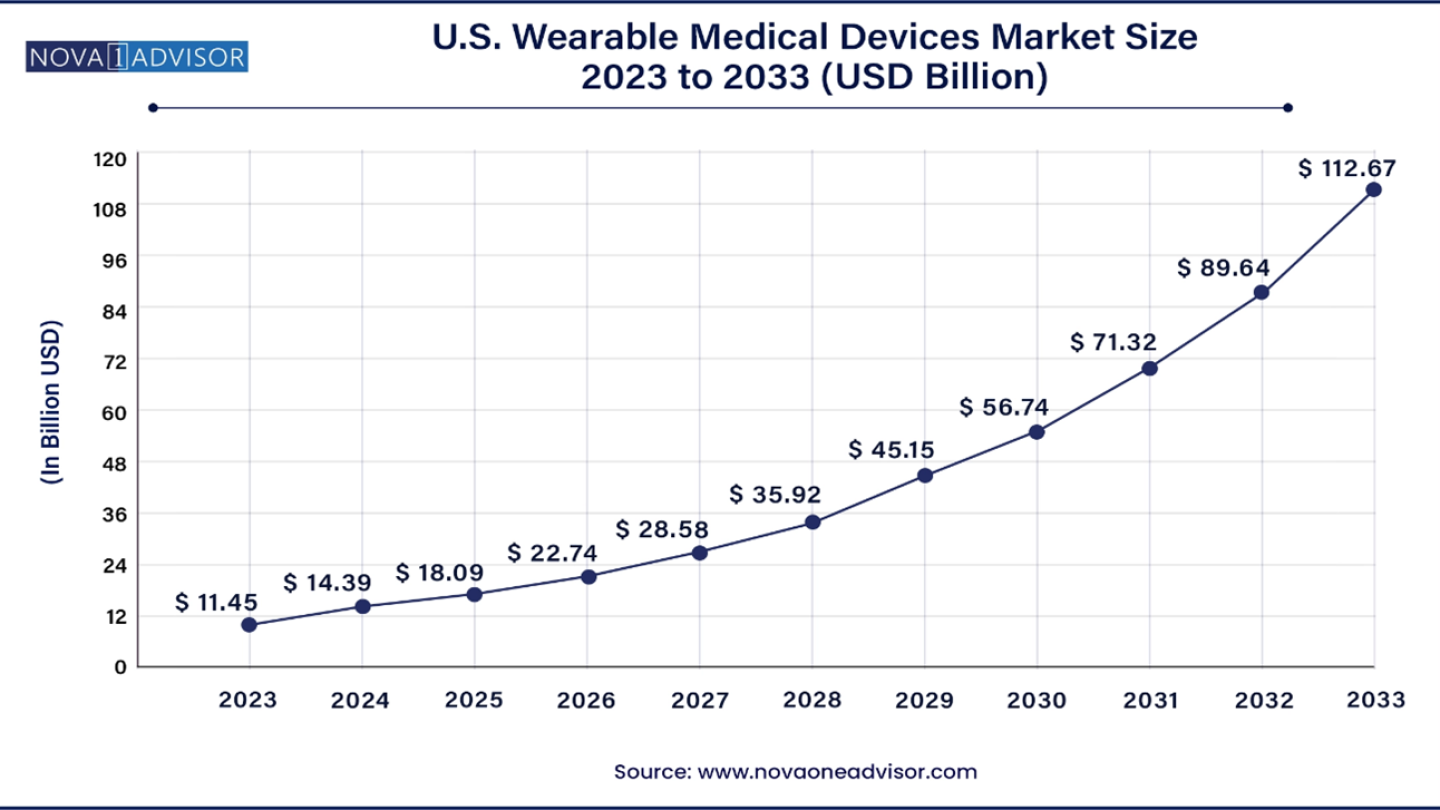
The U.S. wearable medical devices market, currently valued at an estimated $11.45 billion in 2023, is set to experience an astronomical rise to approximately $112.67 billion by 2033.

By |December 3, 2024|Categories: Article, Healthcare, Technology|Tags: |0 Comments

The Future of Real Estate Market: What Lies Ahead?

The real estate market is on the brink of transformation, captivating the attention of buyers, sellers, investors, and industry professionals. As we look toward the end of 2024, experts predict a shift in the landscape, particularly with home prices expected to decline due to increased inventory levels.

By |December 3, 2024|Categories: Article, Market Trends, Real Estate|Tags: , |0 Comments

Bridging the Healthcare Gap in Rural Areas with Telehealth

According to the World Health Organization (WHO), nearly two billion people in rural and remote areas worldwide lack access to essential healthcare solutions. This staggering statistic highlights a critical issue: the digital divide that limits telehealth services, primarily due to inadequate broadband access.

By |December 2, 2024|Categories: Article, Healthcare, Technology|Tags: , |0 Comments

Navigating Ethical Challenges: AI in Healthcare

As AI becomes a staple in medical practice, it carries the risk of reinforcing existing biases entrenched in historical data. These biases can lead to skewed outcomes, particularly affecting marginalized communities such as the LGBTQIA+ and certain ethnic groups.

By |December 2, 2024|Categories: Article, Ethics, Healthcare|Tags: , |0 Comments

New SCLC Biomarkers Enable Advances in Precision Medicine Approaches

A groundbreaking study published in Volume 15 of Oncotarget on October 11, 2024, titled 'Relationship between the expressions of DLL3, ASC1, TTF-1 and Ki-67: First steps of precision medicine at SCLC' showcases pivotal advancements in the fight against small cell lung cancer (SCLC).

By |December 2, 2024|Categories: Article, Cancer Treatment, Medical Research|Tags: , |0 Comments