“`html

Virtual Reality: The Future of Marketing

Virtual Reality (VR) is no longer just a buzzword in the tech industry. It has become a transformative tool across various sectors, reshaping how businesses engage with their audiences. From immersive storytelling to innovative product demonstrations, VR is paving the way for more engaging and interactive marketing campaigns.

VR’s Expanding Influence

Once confined to the realms of gaming, VR is now making significant strides in industries like education, real estate, tourism, and healthcare. According to a VR Global Revenue Forecast, the technology is set to exceed $12 billion by 2025. This growth is driven by VR’s ability to create compelling, immersive experiences that resonate with consumers on a deeper level.

Geri Mileva’s article on Influencer Marketing Hub showcases 15 exemplary uses of VR in marketing, highlighting its potential to revolutionize the industry.

Notable VR Marketing Examples

  1. New York Times: The publication used VR to bring stories to life, offering viewers a unique perspective on global events.
  2. Adidas TERREX: By simulating a challenging climb, Adidas allowed users to experience the thrill of outdoor adventure from the comfort of their homes.
  3. Volvo: The car manufacturer offered virtual test drives, providing potential buyers with an immersive experience of their vehicles.

These examples demonstrate how VR is being leveraged to enhance customer engagement and drive brand innovation.

Challenges and Opportunities

While VR presents numerous opportunities, it also comes with its set of challenges. Developing VR content requires specialized skills and technology, which can be a barrier for some businesses. However, the potential rewards of creating memorable and impactful marketing campaigns make it a worthwhile investment.

As VR technology continues to evolve, its integration into marketing strategies will likely become more prevalent. Brands that embrace VR early on will have a competitive edge in capturing their audience’s attention.

For more insights into how VR is reshaping the marketing landscape, read the full article by Geri Mileva on Influencer Marketing Hub.

“`

More Articles

Getting licensed or staying ahead in your career can be a journey—but it doesn’t have to be overwhelming. Grab your favorite coffee or tea, take a moment to relax, and browse through our articles. Whether you’re just starting out or renewing your expertise, we’ve got tips, insights, and advice to keep you moving forward. Here’s to your success—one sip and one step at a time!

Why Toronto’s Real Estate Market Is a Rollercoaster Using Would You Rather Decisions

By 2022, the average cost had skyrocketed to $1.19 million. That’s, like, a 28% increase in just three years! But as with all wild parties, there was an inevitable hangover.

By |January 19, 2025|Categories: Article, Market Analysis, Real Estate|Tags: , |0 Comments

TikTok’s Ban: US Social Media Frenzy

"And let’s not forget this might be the start of a multi-platform domino effect. If TikTok is toast, Instagram Reels, YouTube Shorts, or bizarre TikTok lookalikes (looking at you, Lemon8) are poised to swoop in and capitalize."

By |January 19, 2025|Categories: Article, Humor, Technology|Tags: |0 Comments

Sutter Health’s Innovative Approach to Sepsis Management

Sutter Health is pioneering a transformative approach in critical care by introducing the FloPatch, a novel wearable device aimed at enhancing clinical decision-making. This initiative focuses on improving sepsis management within intensive care units (ICUs), leveraging real-time data to support critical treatment decisions.

TikTok Ban in the U.S.: A Landmark Moment in National Security

TikTok, the immensely popular social media app, is now banned in the United States following a Supreme Court ruling that mandated the app to sever ties with its China-based parent company, ByteDance, or face a ban.

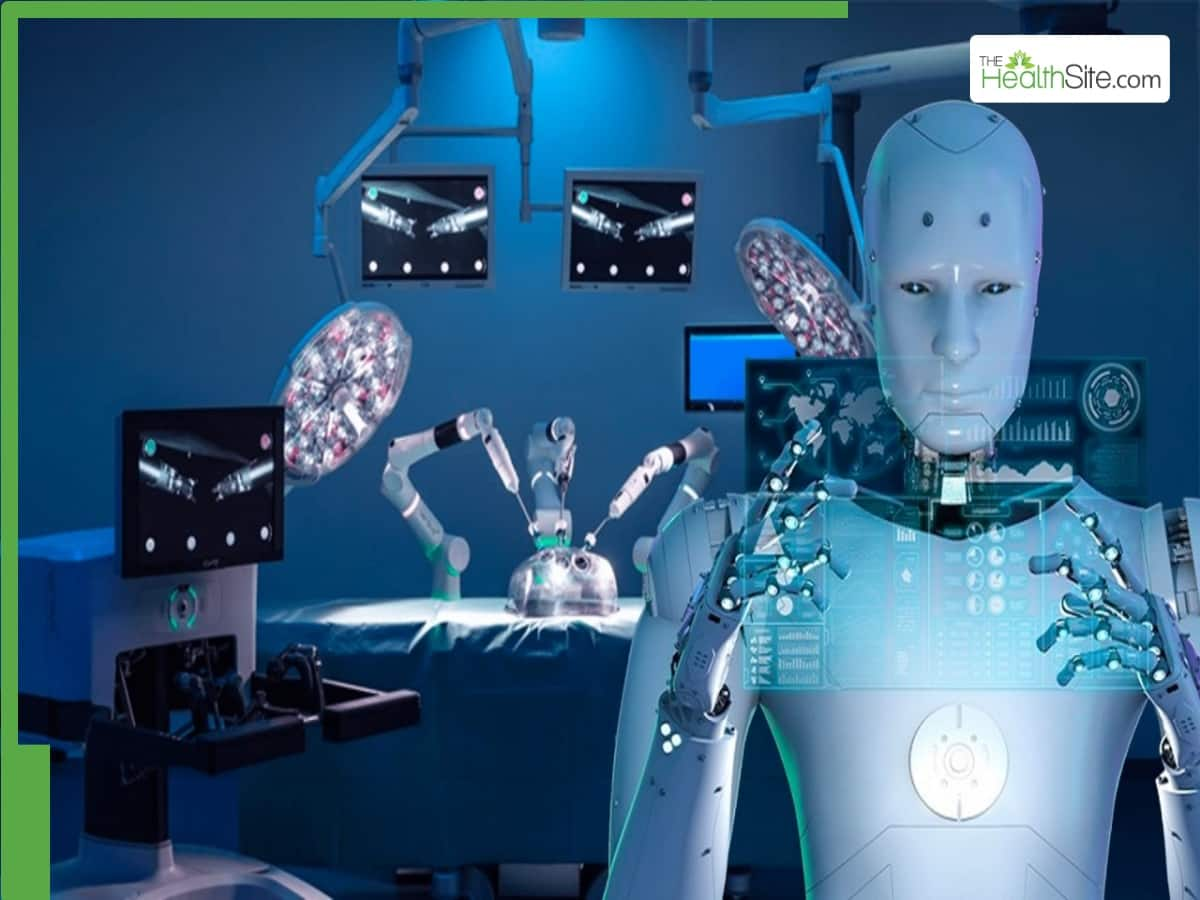
AI and Robotics Revolutionizing Indian Healthcare

AI is poised to revolutionize the diagnostic process, enabling more accurate and faster diagnoses than ever before. Traditional methods, which rely heavily on manual interpretations of medical images, often suffer from delays and errors. In contrast, AI-driven diagnostic tools can swiftly analyze vast amounts of medical data, including X-rays, MRIs, and CT scans, with remarkable precision. This technology is already being leveraged for the early detection of diseases such as cancer and diabetic retinopathy, making diagnostics more efficient and accessible than ever.

By |January 19, 2025|Categories: Article, Healthcare, Technology|Tags: , |0 Comments

Embracing Smart Renovations: Europe’s Path to Sustainable Building

Currently, buildings account for over 30% of the EU's environmental footprint, a staggering figure that underscores the urgency of reform.