“`html

Virtual Reality: Transforming the Real Estate Landscape

Virtual reality (VR) is no longer just a futuristic concept; it’s a transformative tool reshaping the real estate industry. A recent Forbes article highlights five innovative ways VR is being used to enhance real estate operations for agents, property managers, and developers.


Property Showings

VR has revolutionized property showings with 3-D tours. According to Matterport, homes listed with a 3-D tour are 95% more likely to attract buyer interest, reducing market time and increasing sale prices by 9%.


Home Staging

Traditional home staging can cost between $2,000 to $2,400 per month, as reported by Realtor.com. VR offers a cost-effective alternative, allowing realtors to stage homes virtually, appealing to diverse buyer preferences without the hefty price tag.


Architectural Visualization

For properties yet to be built, VR provides potential buyers with a realistic visualization of the finished project. This tool is invaluable for developers and agents, making it easier to sell under-construction properties.


Virtual Guides

Property managers and landlords can now offer virtual guides, enhancing the tenant experience. This is particularly beneficial for vacation rentals, where guests can familiarize themselves with the property without needing printed guides or personal tours.


Virtual Real Estate Investment

The metaverse is expanding, with the market expected to grow from $27.21 billion in 2020 to $824.53 billion by 2030, according to a Verified Market Research report. This growth presents new opportunities for investors and real estate professionals to explore virtual properties.


As the virtual real estate market continues to evolve, the integration of VR in real estate is not just beneficial but essential for staying competitive in this tech-driven landscape.


For more insights on technology trends in real estate, visit the Forbes Technology Council.

“`

More Articles

Getting licensed or staying ahead in your career can be a journey—but it doesn’t have to be overwhelming. Grab your favorite coffee or tea, take a moment to relax, and browse through our articles. Whether you’re just starting out or renewing your expertise, we’ve got tips, insights, and advice to keep you moving forward. Here’s to your success—one sip and one step at a time!

Unlocking Real Estate Wealth in 2025: Strategies for Success

Step into 2025, where the real estate market emerges as a resilient beacon amidst economic unpredictability. Investors are increasingly drawn to secondary cities like Austin and Manchester, attracted by their growth potential, affordability, and enhanced quality of life.

By |February 18, 2025|Categories: Article, Investment Strategies, Real Estate|Tags: , |0 Comments

AI and Urbanization Drive Home Services Market Growth

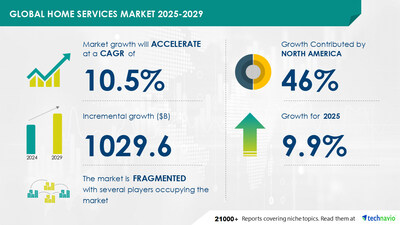
The global home services market is poised for significant growth, with projections indicating an increase of USD 1.03 trillion from 2025 to 2029. This forecasted expansion is attributed to increasing urbanization and the transformative impact of AI on market trends, according to a recent report by Technavio.

Decoding the U.S. Housing Crisis: A Study of Historic Policy Missteps and Demographic Shift

In a revealing study by USC, the roots of the current housing crisis in the United States are traced back to policy missteps and demographic changes that have been unfolding since the early 2000s. The study highlights how these factors have left millennials and people of color disproportionately affected.

Best Real Estate Crowdfunding Platforms for February 2025: Investopedia’s Top Picks

Fundrise stands out for offering investors a chance to diversify their portfolios with real estate exposure through proprietary funds. With a minimum investment as low as $10, it opens doors to beginners and seasoned investors alike.

Top Real Estate Investment Apps of 2025: A Guide for First-Time and Experienced Investors

Business Insider has reviewed a range of platforms available in 2025, focusing on key factors like fees, accessibility for accredited vs. non-accredited investors, and the types of real estate investments offered.