“`html

Virtual Reality: Transforming the Real Estate Landscape

Virtual reality (VR) is no longer just a futuristic concept; it’s a transformative tool reshaping the real estate industry. A recent Forbes article highlights five innovative ways VR is being used to enhance real estate operations for agents, property managers, and developers.


Property Showings

VR has revolutionized property showings with 3-D tours. According to Matterport, homes listed with a 3-D tour are 95% more likely to attract buyer interest, reducing market time and increasing sale prices by 9%.


Home Staging

Traditional home staging can cost between $2,000 to $2,400 per month, as reported by Realtor.com. VR offers a cost-effective alternative, allowing realtors to stage homes virtually, appealing to diverse buyer preferences without the hefty price tag.


Architectural Visualization

For properties yet to be built, VR provides potential buyers with a realistic visualization of the finished project. This tool is invaluable for developers and agents, making it easier to sell under-construction properties.


Virtual Guides

Property managers and landlords can now offer virtual guides, enhancing the tenant experience. This is particularly beneficial for vacation rentals, where guests can familiarize themselves with the property without needing printed guides or personal tours.


Virtual Real Estate Investment

The metaverse is expanding, with the market expected to grow from $27.21 billion in 2020 to $824.53 billion by 2030, according to a Verified Market Research report. This growth presents new opportunities for investors and real estate professionals to explore virtual properties.


As the virtual real estate market continues to evolve, the integration of VR in real estate is not just beneficial but essential for staying competitive in this tech-driven landscape.


For more insights on technology trends in real estate, visit the Forbes Technology Council.

“`

More Articles

Getting licensed or staying ahead in your career can be a journey—but it doesn’t have to be overwhelming. Grab your favorite coffee or tea, take a moment to relax, and browse through our articles. Whether you’re just starting out or renewing your expertise, we’ve got tips, insights, and advice to keep you moving forward. Here’s to your success—one sip and one step at a time!

Artificial Intelligence in Diagnostics: A Revolution in Healthcare

The global market for artificial intelligence in diagnostics is poised for remarkable growth, with projections estimating it to reach USD 7.3 billion by 2032.

By |December 10, 2024|Categories: Article, Artificial Intelligence, Healthcare|Tags: , |0 Comments

Revolutionizing Medical Education with Extended Reality

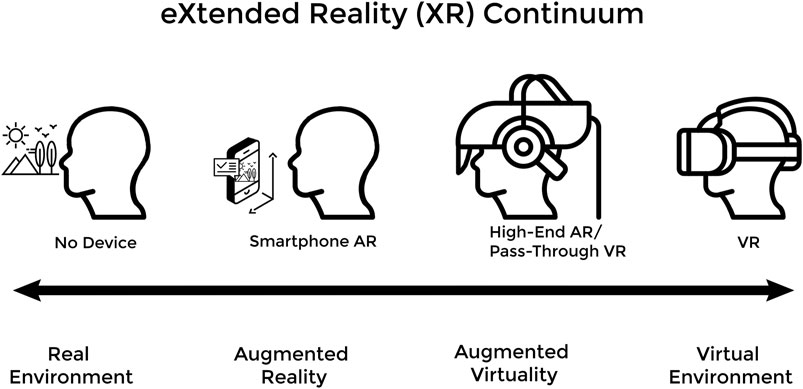
In the ever-evolving landscape of medical education, a new player has emerged, promising to revolutionize the way future doctors are trained. The integration of eXtended Reality (XR) technologies is reshaping the educational landscape by addressing the limitations of traditional methods.

Genetic Testing: A New Dawn in Healthcare

Genetic testing represents more than just a scientific advancement; it signifies a fundamental shift in how we approach health and wellness.

Sustainable Architecture: Blending Innovation with Ecological Responsibility

The journey toward sustainable architecture is ongoing, with each project serving as a beacon of what's achievable when creativity meets ecological awareness.

By |December 9, 2024|Categories: Architecture, Article, Sustainability|Tags: |0 Comments

AI in Clinical and Molecular Diagnostics: A Market on the Rise

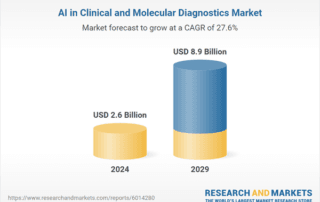
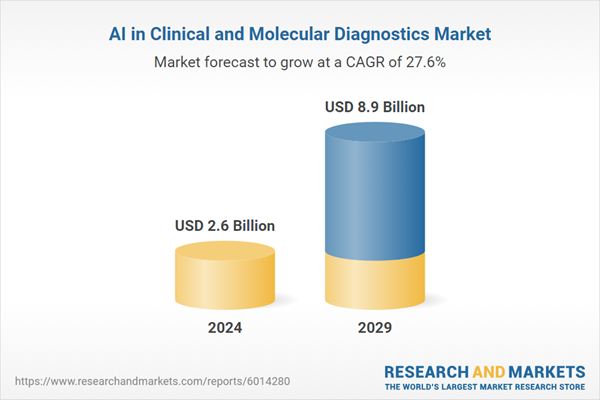
AI in Clinical and Molecular Diagnostics Market is set to experience remarkable growth, projected to surge from USD 2.6 billion in 2024 to USD 8.9 billion by 2029. This growth is driven by the integration of advanced AI technologies such as machine learning and deep learning into traditional diagnostic methodologies like imaging, genomics, and laboratory testing.

AI: A Revolution in Healthcare’s Future

AI is not a distant dream but a present reality, already integrated into everyday life through virtual assistants like Alexa and Siri. AI shows promise in enhancing medical accuracy, such as in predicting mesothelioma survival and improving colonoscopy accuracy, it is not intended to replace healthcare professionals.