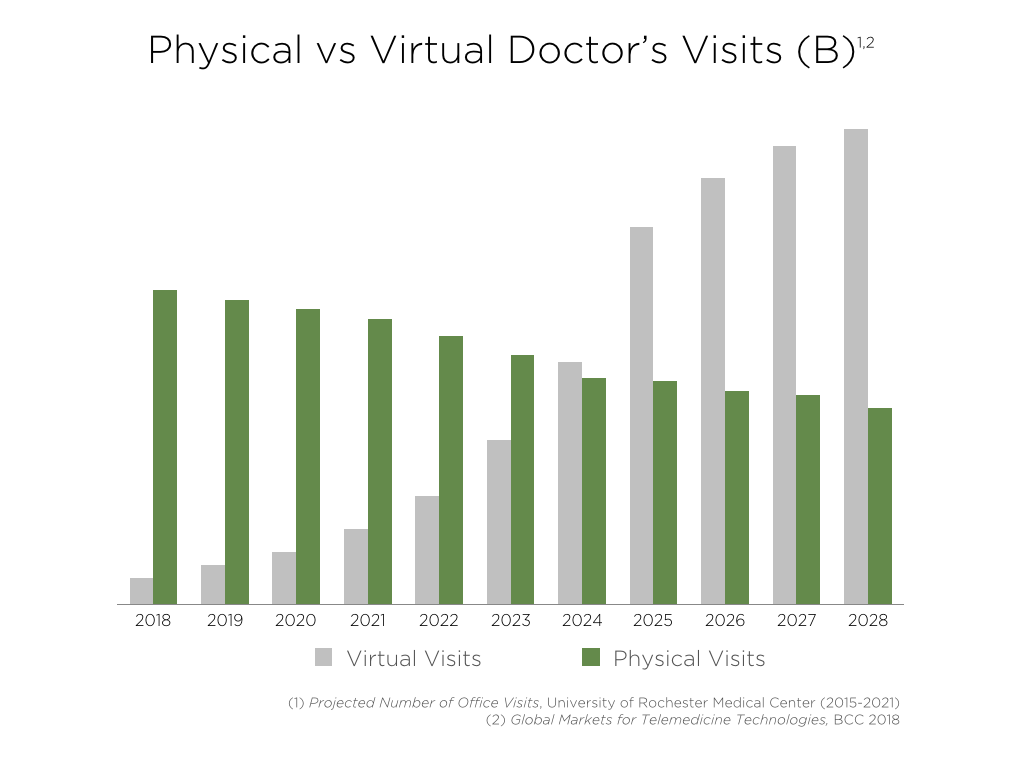
In a dynamic shift reminiscent of the digital revolution, healthcare is on the cusp of a transformation powered by visual technologies. This evolution, as highlighted in a TechCrunch article, is set to redefine the patient experience by 2028, making it more doctor-directed, patient-owned, and enhanced by advanced imaging and artificial intelligence.
Miniaturization and Mobility in Diagnostic Imaging
The landscape of medical imaging is undergoing a radical transformation, driven by the miniaturization of hardware and the integration of computer vision and AI. Traditionally bulky and expensive devices like MRI machines are being reimagined into smaller, more flexible forms. Daniel K. Sodickson, MD, PhD, of NYU School of Medicine, notes that modern imaging is transitioning to “self-correcting, multi-sensor devices,” which are poised to bring imaging out of specialized departments and into everyday settings.
These innovations promise to simplify the imaging process, reduce costs, and lower the expertise required to operate such devices, making them accessible anywhere the patient is. The potential for live imaging through ingestible cameras further underscores the revolutionary nature of these advancements.
Next-Generation Sequencing and Early Disease Detection
Genomics is another frontier where visual technologies are making significant strides. The use of Next Generation Sequencing (NGS) allows for the early detection of diseases by analyzing DNA and RNA through optical signals. Companies like GRAIL are pioneering this approach, using deep learning to identify circulating tumor DNA before lesions become visible.
Additionally, phenomics and molecular imaging are emerging as powerful tools for early diagnosis. Technologies like FDNA’s Face2Gene employ computer vision to detect disorders by analyzing facial features, while molecular imaging uses DNA nanotech probes to visualize cellular chemicals, offering a glimpse into the early stages of neurodegenerative diseases.
The Rise of Telemedicine
Telemedicine is set to become a cornerstone of healthcare, with video consultations expected to surpass traditional office visits by 2028. This shift will enhance access to medical professionals and streamline patient data management. Teladoc Health is at the forefront, integrating screening technologies into telemedicine to facilitate remote patient monitoring and personalized care.
Remote patient monitoring devices, like the Apple Watch, are becoming integral in gathering real-time health data, empowering patients to manage their health proactively. This data, owned by the patients, will be pivotal in medical decision-making.
The Future of Healthcare: A Visual Odyssey
The integration of visual technologies into healthcare heralds a new era of personalized medicine. As outlined in the LDV Capital Insights Report, these innovations offer unprecedented opportunities for investment and improvement in global health outcomes. By harnessing the power of imaging, AI, and genomics, healthcare is poised to become more accurate, accessible, and tailored to individual needs, promising a healthier future for all.
More Articles
Getting licensed or staying ahead in your career can be a journey—but it doesn’t have to be overwhelming. Grab your favorite coffee or tea, take a moment to relax, and browse through our articles. Whether you’re just starting out or renewing your expertise, we’ve got tips, insights, and advice to keep you moving forward. Here’s to your success—one sip and one step at a time!
In the competitive world of real estate, RE/MAX recently settled a commission lawsuit for a substantial $55 million. This strategic decision has sparked intrigue and raised questions about the company's future. The lawsuit, initiated by a group of real estate agents, accused RE/MAX of commission fraud and unfair practices. However, RE/MAX chose to settle the lawsuit, demonstrating its commitment to swiftly resolving legal matters and maintaining a positive trajectory. Despite the financial implications, RE/MAX remains financially robust and poised for future growth. The company's commitment to transparency, fairness, and ethical business practices remains steadfast. As the dust settles on the commission lawsuit settlement, RE/MAX looks to the future with unwavering confidence.
¿Interesado en obtener una licencia de bienes raíces? Nuestra versión en español del curso de pre-licencia de bienes raíces de 63 horas está diseñada para personas que prefieren aprender en español. Nuestro currículo integral cubre temas esenciales desde principios de bienes raíces hasta la ley de contratos y ética. Con la flexibilidad del aprendizaje en línea, puedes adaptar tu educación inmobiliaria a tu apretada agenda. Inscríbete hoy y da el primer paso para convertirte en un profesional inmobiliario con licencia. ¡Inicia tu viaje en el mundo de los bienes raíces hoy mismo!
The real estate industry is abuzz with Bob Goldberg stepping down as the CEO of the National Association of Realtors (NAR). This leadership change comes after the Sitzer/Burnett commission lawsuit trial, raising questions about NAR's practices. Goldberg's departure marks a significant moment in NAR's history, presenting an opportunity for reevaluation and rebuilding. As the industry evolves, NAR must adapt and embrace change to remain relevant. At Cameron Academy, we provide high-quality career education courses for a competitive advantage in the real estate industry. Start your journey towards success today! Explore Our Courses: https://cameronacademy.com/our-courses-cameron-academy
Commission lawsuits in the real estate sector are becoming increasingly prevalent, causing industry professionals to worry. Glenn Sanford, eXp World Holdings' CEO, recently voiced his fears about the potential repercussions of these lawsuits on low-income buyers. Sanford's primary worry centers around affordable housing access for low-income buyers. With the rise of commission lawsuits, Sanford is apprehensive that the legal costs will ultimately be shouldered by the buyers. This could further complicate the process for low-income individuals striving to enter the housing market and achieve homeownership. The Sitzer/Burnett verdict, which found real estate agents guilty of antitrust violations by conspiring to fix buyer broker commissions, has brought the issue of commission lawsuits to the forefront. The far-reaching implications of this verdict have ignited debates about the future of buyer broker commissions.
The ongoing Sitzer/Burnett commission lawsuit trial has captured the attention of the real estate industry, as it holds the potential to reshape the way agent commissions are structured. In this article, we explore the viewpoints of brokers, agents, and real estate economists, who provide valuable insights into the possible outcomes of the trial and its implications for the industry. By examining their perspectives, we aim to shed light on the debate surrounding real estate agent commissions and the potential impact of this landmark trial.
The Federal Trade Commission (FTC) has recently implemented a new rule that mandates nonbank financial institutions to report data breaches and other security events. This rule aims to enhance transparency and ensure the safety of customers' information. Nonbank financial institutions, including mortgage brokers, payday lenders, and virtual currency exchanges, must promptly report data breaches if they affect at least 500 customers and involve unauthorized access to unencrypted information. The FTC's new rule requiring nonbank financial institutions to report data breaches is a significant step towards ensuring transparency, accountability, and customer safety.