In a dynamic shift reminiscent of the digital revolution, healthcare is on the cusp of a transformation powered by visual technologies. This evolution, as highlighted in a TechCrunch article, is set to redefine the patient experience by 2028, making it more doctor-directed, patient-owned, and enhanced by advanced imaging and artificial intelligence.
Miniaturization and Mobility in Diagnostic Imaging
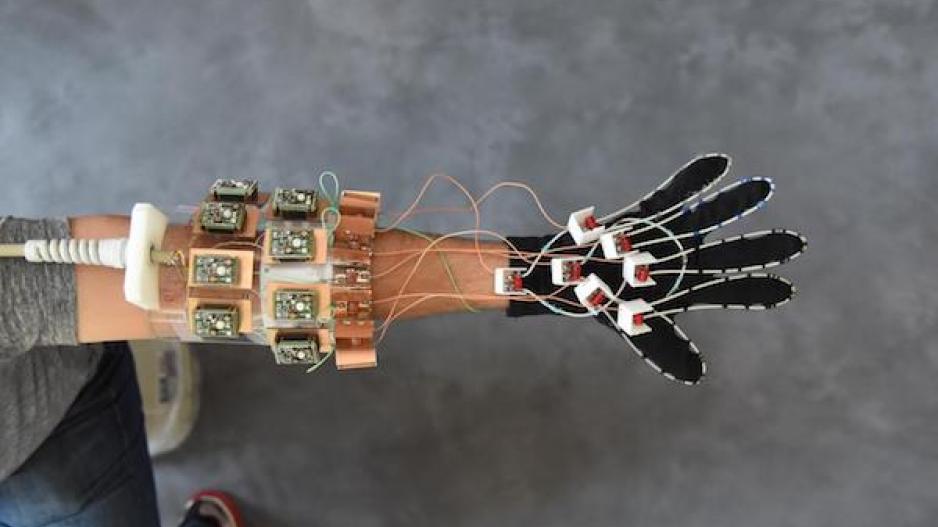
The landscape of medical imaging is undergoing a radical transformation, driven by the miniaturization of hardware and the integration of computer vision and AI. Traditionally bulky and expensive devices like MRI machines are being reimagined into smaller, more flexible forms. Daniel K. Sodickson, MD, PhD, of NYU School of Medicine, notes that modern imaging is transitioning to “self-correcting, multi-sensor devices,” which are poised to bring imaging out of specialized departments and into everyday settings.
These innovations promise to simplify the imaging process, reduce costs, and lower the expertise required to operate such devices, making them accessible anywhere the patient is. The potential for live imaging through ingestible cameras further underscores the revolutionary nature of these advancements.
Next-Generation Sequencing and Early Disease Detection
Genomics is another frontier where visual technologies are making significant strides. The use of Next Generation Sequencing (NGS) allows for the early detection of diseases by analyzing DNA and RNA through optical signals. Companies like GRAIL are pioneering this approach, using deep learning to identify circulating tumor DNA before lesions become visible.
Additionally, phenomics and molecular imaging are emerging as powerful tools for early diagnosis. Technologies like FDNA’s Face2Gene employ computer vision to detect disorders by analyzing facial features, while molecular imaging uses DNA nanotech probes to visualize cellular chemicals, offering a glimpse into the early stages of neurodegenerative diseases.
The Rise of Telemedicine
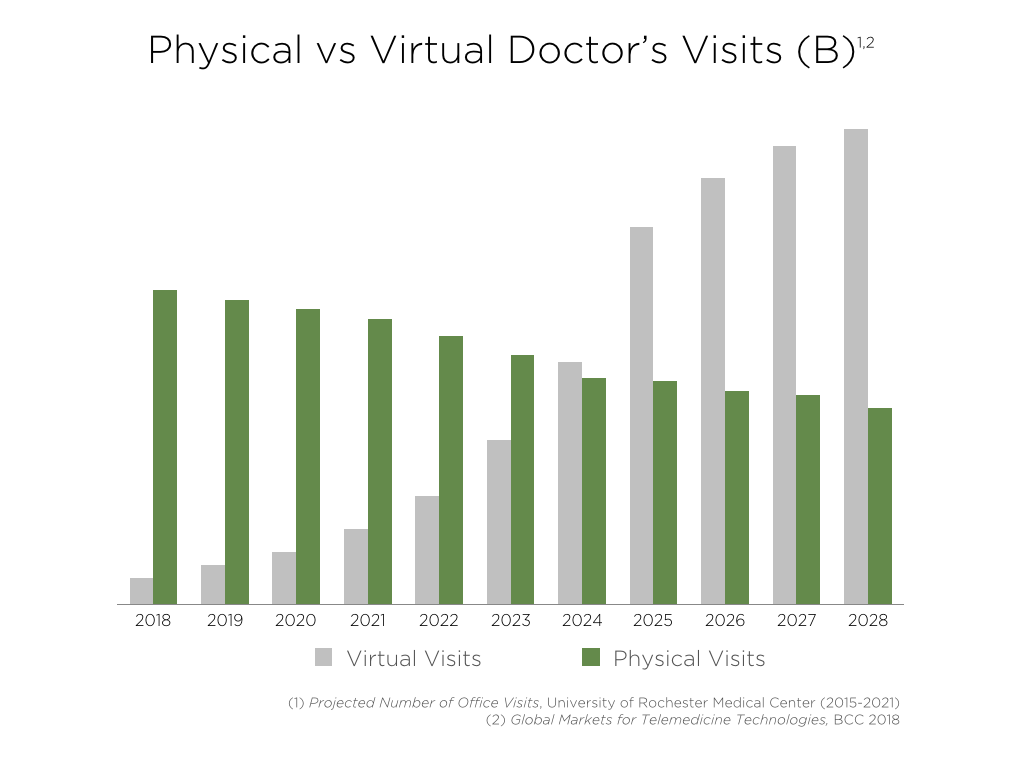
Telemedicine is set to become a cornerstone of healthcare, with video consultations expected to surpass traditional office visits by 2028. This shift will enhance access to medical professionals and streamline patient data management. Teladoc Health is at the forefront, integrating screening technologies into telemedicine to facilitate remote patient monitoring and personalized care.
Remote patient monitoring devices, like the Apple Watch, are becoming integral in gathering real-time health data, empowering patients to manage their health proactively. This data, owned by the patients, will be pivotal in medical decision-making.
The Future of Healthcare: A Visual Odyssey
The integration of visual technologies into healthcare heralds a new era of personalized medicine. As outlined in the LDV Capital Insights Report, these innovations offer unprecedented opportunities for investment and improvement in global health outcomes. By harnessing the power of imaging, AI, and genomics, healthcare is poised to become more accurate, accessible, and tailored to individual needs, promising a healthier future for all.
More Articles
Getting licensed or staying ahead in your career can be a journey—but it doesn’t have to be overwhelming. Grab your favorite coffee or tea, take a moment to relax, and browse through our articles. Whether you’re just starting out or renewing your expertise, we’ve got tips, insights, and advice to keep you moving forward. Here’s to your success—one sip and one step at a time!
"Mortgage applications decrease" amid rise in fixed-rate mortgages, detailed in a report by the Mortgage Bankers Association. The report also explores ARM's role, refinance and purchase applications, and increases in Federal Housing Administration loans for a comprehensive industry view.
"Exploring the potential of AI and Web3 technologies in real estate at Cameron Academy, we provide courses equipped to simplify complex transactions and streamline real estate operations. By leveraging AI, agents can handle increasing complexities, optimizing productivity for the future of real estate."
One of the major driving forces is the job market recovery in these states. As the pandemic impact gradually subsides, these states have not merely recovered the jobs lost during the crisis but have seen a substantial 5% increase in employment opportunities.
"Achieving financial freedom often requires unconventional actions, including making seemingly suboptimal portfolio decisions. At Cameron Academy, we provide courses that guide you through such bold decisions, focusing on creating reliable income and not just wealth accumulation."
Discover the "Fannie Mae’s new prefund QC requirements" and understand the importance of quality control strategies in loan lending. Navigate loan repurchase requests from Fannie Mae effectively with our varied courses at Cameron Academy. Explore the potential of third-party QC firms for prefund requirements.
One of the key characteristics that sets early education property investment apart is the prevalence of long-term leases. These leases provide security for both the tenant and the landlord, substantially reducing the risk of vacancy.