In a dynamic shift reminiscent of the digital revolution, healthcare is on the cusp of a transformation powered by visual technologies. This evolution, as highlighted in a TechCrunch article, is set to redefine the patient experience by 2028, making it more doctor-directed, patient-owned, and enhanced by advanced imaging and artificial intelligence.
Miniaturization and Mobility in Diagnostic Imaging
The landscape of medical imaging is undergoing a radical transformation, driven by the miniaturization of hardware and the integration of computer vision and AI. Traditionally bulky and expensive devices like MRI machines are being reimagined into smaller, more flexible forms. Daniel K. Sodickson, MD, PhD, of NYU School of Medicine, notes that modern imaging is transitioning to “self-correcting, multi-sensor devices,” which are poised to bring imaging out of specialized departments and into everyday settings.
These innovations promise to simplify the imaging process, reduce costs, and lower the expertise required to operate such devices, making them accessible anywhere the patient is. The potential for live imaging through ingestible cameras further underscores the revolutionary nature of these advancements.
Next-Generation Sequencing and Early Disease Detection
Genomics is another frontier where visual technologies are making significant strides. The use of Next Generation Sequencing (NGS) allows for the early detection of diseases by analyzing DNA and RNA through optical signals. Companies like GRAIL are pioneering this approach, using deep learning to identify circulating tumor DNA before lesions become visible.
Additionally, phenomics and molecular imaging are emerging as powerful tools for early diagnosis. Technologies like FDNA’s Face2Gene employ computer vision to detect disorders by analyzing facial features, while molecular imaging uses DNA nanotech probes to visualize cellular chemicals, offering a glimpse into the early stages of neurodegenerative diseases.
The Rise of Telemedicine
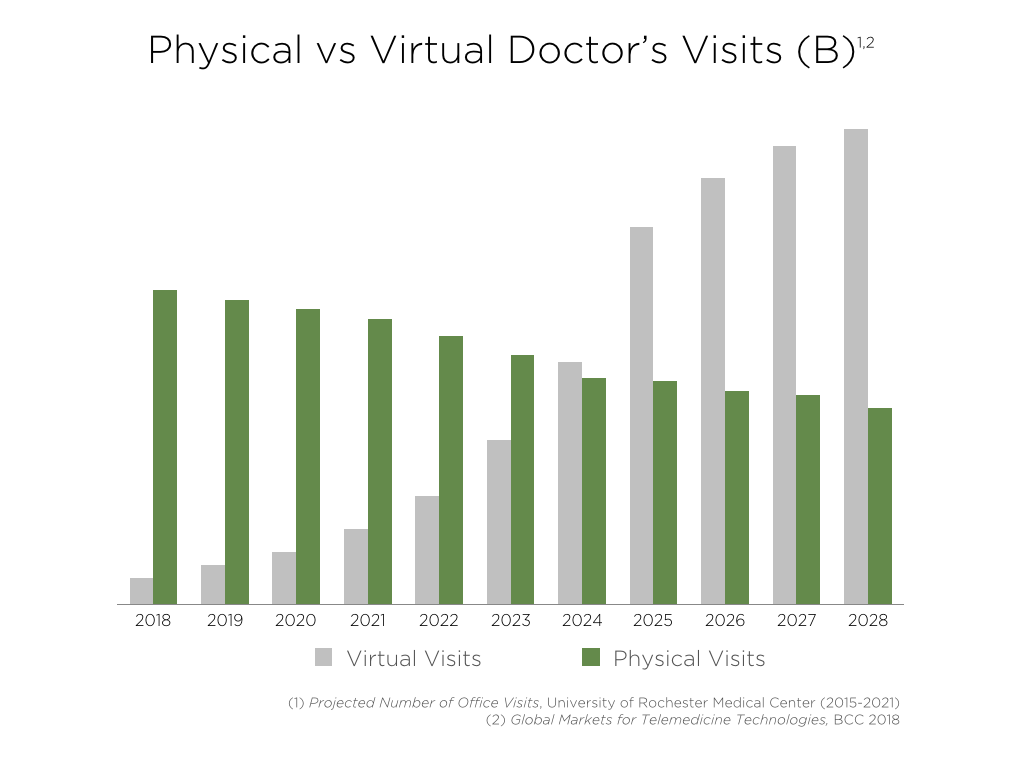
Telemedicine is set to become a cornerstone of healthcare, with video consultations expected to surpass traditional office visits by 2028. This shift will enhance access to medical professionals and streamline patient data management. Teladoc Health is at the forefront, integrating screening technologies into telemedicine to facilitate remote patient monitoring and personalized care.
Remote patient monitoring devices, like the Apple Watch, are becoming integral in gathering real-time health data, empowering patients to manage their health proactively. This data, owned by the patients, will be pivotal in medical decision-making.
The Future of Healthcare: A Visual Odyssey
The integration of visual technologies into healthcare heralds a new era of personalized medicine. As outlined in the LDV Capital Insights Report, these innovations offer unprecedented opportunities for investment and improvement in global health outcomes. By harnessing the power of imaging, AI, and genomics, healthcare is poised to become more accurate, accessible, and tailored to individual needs, promising a healthier future for all.
Getting licensed or staying ahead in your career can be a journey—but it doesn’t have to be overwhelming. Grab your favorite coffee or tea, take a moment to relax, and browse through our articles. Whether you’re just starting out or renewing your expertise, we’ve got tips, insights, and advice to keep you moving forward. Here’s to your success—one sip and one step at a time!
Miami’s luxury condo market has many success stories, but few rise to the level of Maile Aguila. After closing more than $1 billion in sales in 2024, Aguila has become one of the most influential forces in Brickell and downtown Miami. From her beginnings in accounting to becoming the go‑to expert for high‑end developments, her journey offers a blueprint for new agents: specialize, become hyper‑local, master the soft sell, and make yourself indispensable. Her story shows that passion, knowledge, and relentless learning are the keys to breaking into Miami’s booming luxury market.
Former NFL defensive tackle Kendal Vickers has traded stadium lights for property listings, launching a fast-rising real estate career after earning licenses in both Florida and Tennessee. Drawing on his construction background and the discipline he built in the league, Vickers quickly closed early deals and now leads sales for two major residential developments. Motivated by helping families find homes, he’s proving that with grit, education, and the right mindset, a powerful second act is possible—on or off the field.
A shifting housing market and evolving regulations are making title insurance more critical than ever in 2026. Cortes and Hay, a New Jersey title agency with over 50 years of experience, breaks down the essential factors every buyer and investor should understand—from the importance of thorough title searches to the growing need for investor protection, ALTA best practices, and expert guidance on 1031 exchanges. This updated snapshot helps consumers and future real estate professionals navigate today’s complex closing landscape with confidence.
Nearly half of today’s homebuyers expect to use AI in their buying journey, and Florida is becoming a leading testing ground. New platforms like Homa are automating most of the homebuying process, delivering major savings to buyers while still blending in human expertise. As both tech-driven tools and traditional agents adapt, the future of Florida real estate will rely on professionals who can combine smart technology with real-world experience.
Florida’s once‑red‑hot investment market is cooling fast, with cities like Orlando, Fort Lauderdale, and Jacksonville seeing steep drops in investor purchases. Rising insurance costs, swelling inventory, and squeezed profit margins are pushing investors to pause—or look elsewhere. But West Palm Beach stands apart, surging with luxury demand as it cements its status as “Wall Street South.”
With mortgage rates nearly a full point lower than last year and inventory slowly rising, 2026 is opening the door for more buyers to re-enter the market. Competition has cooled, bidding wars have eased, and sellers are more flexible than they’ve been in years. While winter weather temporarily slowed sales, spring is expected to bring renewed momentum. For buyers with steady finances and long‑term plans, this year may offer one of the most balanced markets since the frenzy of 2021–2022.