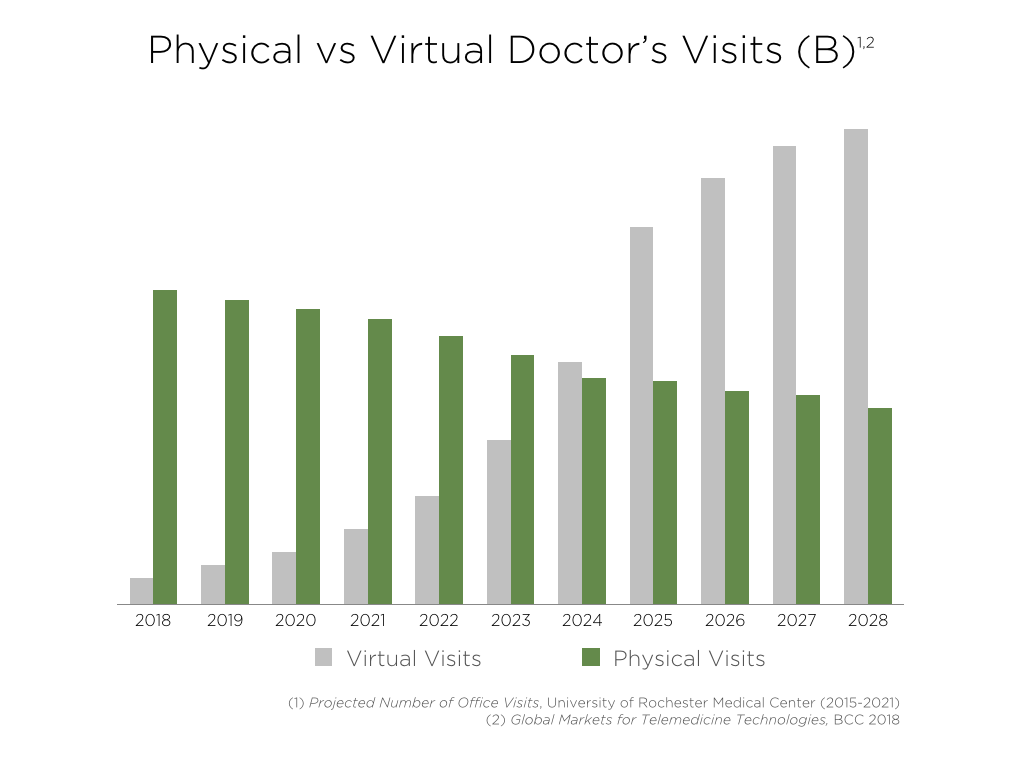
In a dynamic shift reminiscent of the digital revolution, healthcare is on the cusp of a transformation powered by visual technologies. This evolution, as highlighted in a TechCrunch article, is set to redefine the patient experience by 2028, making it more doctor-directed, patient-owned, and enhanced by advanced imaging and artificial intelligence.
Miniaturization and Mobility in Diagnostic Imaging
The landscape of medical imaging is undergoing a radical transformation, driven by the miniaturization of hardware and the integration of computer vision and AI. Traditionally bulky and expensive devices like MRI machines are being reimagined into smaller, more flexible forms. Daniel K. Sodickson, MD, PhD, of NYU School of Medicine, notes that modern imaging is transitioning to “self-correcting, multi-sensor devices,” which are poised to bring imaging out of specialized departments and into everyday settings.
These innovations promise to simplify the imaging process, reduce costs, and lower the expertise required to operate such devices, making them accessible anywhere the patient is. The potential for live imaging through ingestible cameras further underscores the revolutionary nature of these advancements.
Next-Generation Sequencing and Early Disease Detection
Genomics is another frontier where visual technologies are making significant strides. The use of Next Generation Sequencing (NGS) allows for the early detection of diseases by analyzing DNA and RNA through optical signals. Companies like GRAIL are pioneering this approach, using deep learning to identify circulating tumor DNA before lesions become visible.
Additionally, phenomics and molecular imaging are emerging as powerful tools for early diagnosis. Technologies like FDNA’s Face2Gene employ computer vision to detect disorders by analyzing facial features, while molecular imaging uses DNA nanotech probes to visualize cellular chemicals, offering a glimpse into the early stages of neurodegenerative diseases.
The Rise of Telemedicine
Telemedicine is set to become a cornerstone of healthcare, with video consultations expected to surpass traditional office visits by 2028. This shift will enhance access to medical professionals and streamline patient data management. Teladoc Health is at the forefront, integrating screening technologies into telemedicine to facilitate remote patient monitoring and personalized care.
Remote patient monitoring devices, like the Apple Watch, are becoming integral in gathering real-time health data, empowering patients to manage their health proactively. This data, owned by the patients, will be pivotal in medical decision-making.
The Future of Healthcare: A Visual Odyssey
The integration of visual technologies into healthcare heralds a new era of personalized medicine. As outlined in the LDV Capital Insights Report, these innovations offer unprecedented opportunities for investment and improvement in global health outcomes. By harnessing the power of imaging, AI, and genomics, healthcare is poised to become more accurate, accessible, and tailored to individual needs, promising a healthier future for all.
More Articles
Getting licensed or staying ahead in your career can be a journey—but it doesn’t have to be overwhelming. Grab your favorite coffee or tea, take a moment to relax, and browse through our articles. Whether you’re just starting out or renewing your expertise, we’ve got tips, insights, and advice to keep you moving forward. Here’s to your success—one sip and one step at a time!
Artificial intelligence has shifted from a novelty to a defining force in real estate, transforming everything from listing creation to virtual staging while raising new legal and ethical risks. As AI adoption accelerates, experts warn that the agents who embrace automation and new tools now will gain a major competitive edge, while those who delay could fall behind in a rapidly evolving industry.
As AI and automation reshape the workforce, one form of career protection remains as powerful as ever: earning a state license. From real estate to trades to finance, licensed professionals stay in high demand because their work requires proven competence, accountability and human judgment—qualities technology can enhance but never replace. With trade enrollment surging, investor interest growing and licensing on the rise across the country, credentials have become a reliable path to stability, mobility and long-term earning potential.
A new wave of AI platforms is redefining how real estate agents identify buyer intent, spark conversations, and nurture relationships. From conversational home search engines to predictive opportunity alerts and relationship‑intelligence systems, these tools are helping agents connect sooner and smarter—reshaping daily workflows as the 2026 market approaches.
Texas money is riding hard into San Francisco, snapping up distressed downtown buildings at prices not seen in decades. From Union Square to California Street, major players like Lone Star Funds are betting big on the city’s rebound, signaling that the market may have finally hit bottom and that a new wave of opportunity is taking shape for savvy real estate professionals nationwide.
The 2025 holiday season is expected to break the $1 trillion sales mark, but economists say the milestone masks deeper consumer caution, income‑driven spending gaps, and weakening unit sales. Urban Land Magazine’s latest analysis shows how these mixed signals are shaping a selective, uneven landscape for U.S. commercial real estate heading into 2026—where strong locations thrive, weaker assets struggle, and affluent shoppers continue to dictate market performance.
As 2025 ends, the housing market is inching toward balance with slower price growth, rising inventory, and steadier mortgage rates. Experts predict modest 1% to 2% home‑price growth in 2026—not a crash, but a calmer, more predictable market shaped by regional differences. With the Fed easing rates and inventory climbing in key cities, 2026 may become the most buyer‑friendly year in recent memory, especially for those prepared to act when the right home appears.