Wall Street Scrambles as Cyberattack on SitusAMC Exposes Sensitive Real Estate Data
The financial world woke up to a major jolt after a targeted cyberattack hit SitusAMC, a firm deeply embedded in the U.S. real‑estate and mortgage data ecosystem. With clients ranging from JPMorgan Chase to Citigroup, the breach sent cybersecurity teams across Wall Street into emergency mode.
What Happened?
On November 12, 2025, SitusAMC discovered unauthorized access to its internal systems. The attack—though not ransomware—allowed intruders to view account records and legal agreements tied to real‑estate loans and mortgage portfolios.
The firm insists that operations have been restored, systems are stable, and the event is fully contained. But the data exposure itself may have long‑lasting ripple effects across commercial and residential finance.
FBI and Banks Launch Swift Response
The FBI immediately began investigating the intrusion. FBI Director Kash Patel confirmed that there is no current operational disruption to consumer banking services, but emphasized the serious vulnerabilities created by third‑party vendors.
Major banks whose data may have been exposed, including JPMorgan and Citi, have reportedly activated internal cybersecurity protocols while initiating parallel investigations.
The Real Estate Connection
SitusAMC plays a massive role in the U.S. mortgage ecosystem, managing key datasets used to price loans, assess credit risk, evaluate underwriting models, and support institutional investment decisions. A breach at this level could have implications that extend far beyond data exposure.
Even though this attack didn’t shut down operations, experts warn that trust in the digital infrastructure supporting multi‑trillion‑dollar real‑estate lending is extremely fragile.
The Bigger Picture: A Warning Shot for Wall Street
The attack highlights a major structural risk: even if banks spend billions on cybersecurity, their vendors may not be as fortified. According to cybersecurity expert Munish Walther‑Puri, the SitusAMC breach illustrates that many weak links exist within the complex digital partnerships underpinning the financial system.
Federal agencies such as the SEC and the Federal Reserve have repeatedly stressed the need for stronger vendor‑risk oversight—this breach will likely accelerate those efforts.
Why This Matters for Professionals
For anyone working in real estate, mortgages, finance, or data‑driven industries, cybersecurity awareness is no longer optional. Understanding how data flows through multiple vendors is essential for protecting both clients and institutions.
At Cameron Academy, we see every day how quickly the professional landscape evolves. Whether you’re in Florida real estate, mortgage origination, insurance, or another licensed field, strong continuing education remains one of the most reliable tools for staying ahead of compliance and industry risks.
Looking Ahead
As investigations continue, the financial sector anticipates tighter regulations and more intense scrutiny of vendor management. One thing is clear: safeguarding sensitive data requires securing every link in the chain—not just the most visible ones.
For the original report and more business and cybersecurity coverage, visit StartupNews.FYI.
More Articles
Getting licensed or staying ahead in your career can be a journey—but it doesn’t have to be overwhelming. Grab your favorite coffee or tea, take a moment to relax, and browse through our articles. Whether you’re just starting out or renewing your expertise, we’ve got tips, insights, and advice to keep you moving forward. Here’s to your success—one sip and one step at a time!
Artificial intelligence is rapidly reshaping the mortgage industry, boosting productivity, reducing manual work, and accelerating loan closings. From automated document data extraction to AI‑generated underwriting narratives and predictive analytics, lenders are using new tools that improve accuracy and drastically speed up processing times. With chatbots, next‑gen point‑of‑sale systems, and end‑to‑end automation, preapprovals that once took days now take minutes. For mortgage and real estate professionals, mastering AI is becoming a major competitive advantage—one that defines who will thrive in the future of lending.
Florida’s property insurance rates are finally starting to drop, but many homeowners are still seeing higher monthly bills. The reason isn’t insurer price hikes—it’s soaring replacement costs driven by construction inflation, labor shortages, and rising home values. Nearly 75 percent of recent premium increases came from higher property values alone. Understanding this gap between “rates” and “premiums” helps homeowners—and real estate and insurance professionals—navigate the shifting Florida market and make smarter coverage decisions.
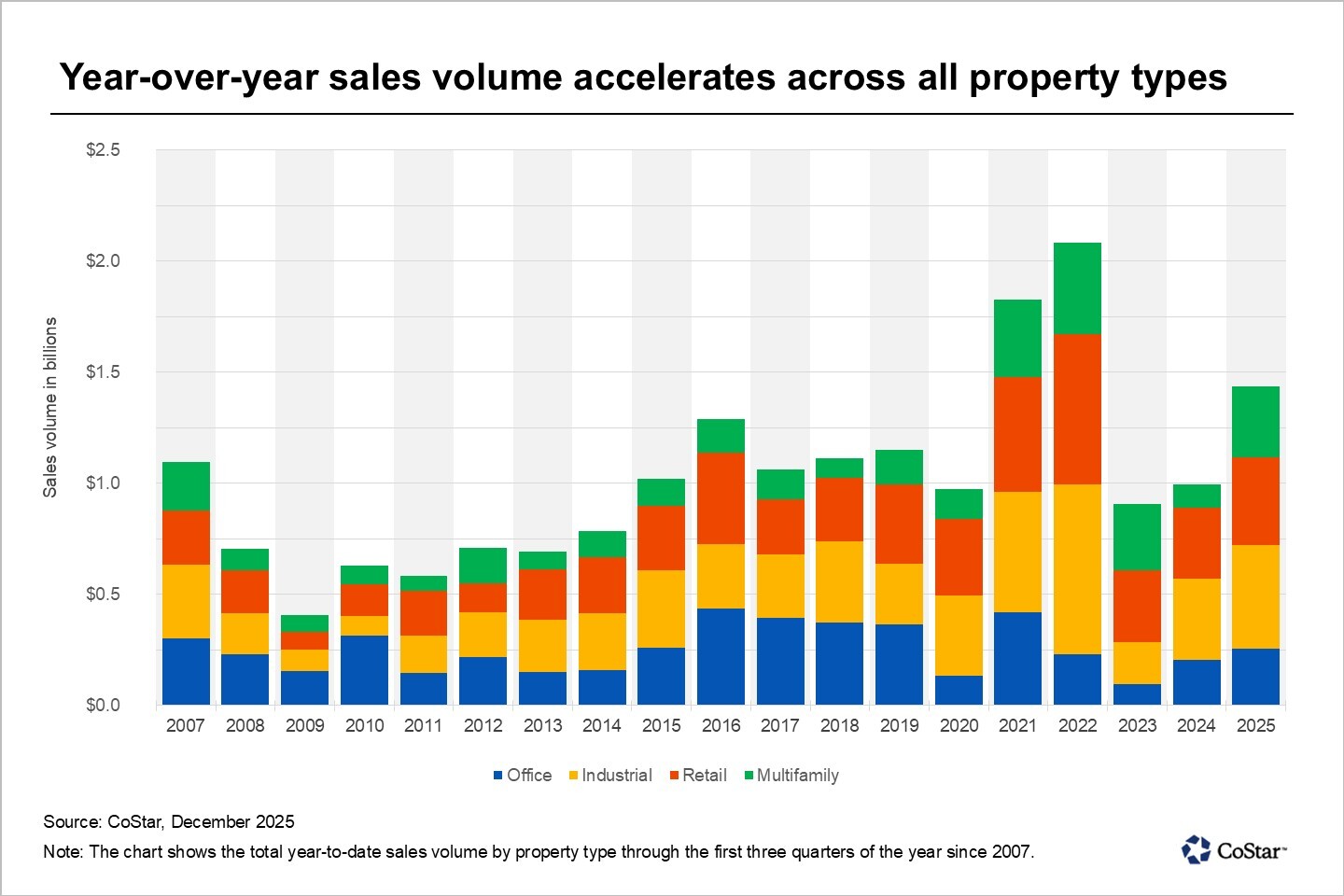
Milwaukee’s commercial real estate market is finally showing real signs of recovery, with 2025 sales volume hitting a three‑year high and investor confidence steadily returning. Driven by selective, fundamentals‑focused buying—favoring strong cash flow, quality assets, and strategic pricing—the city is moving from a period of correction into a healthier, opportunity‑rich phase. For real estate professionals nationwide, Milwaukee’s momentum reflects broader CRE market stabilization and the growing importance of disciplined underwriting and market expertise.
Industry leaders project a major surge in reverse mortgage activity heading into 2026, fueled by rising proprietary products, lender innovation, and strong investor interest. As high interest rates push originators to adopt new strategies, flexible private‑label options, senior‑focused HELOCs, and a wave of big‑capital investment are reshaping the market. With education and policy shifts poised to unlock even more demand, reverse mortgages are entering their most transformative era yet.
Experts forecast that 2026 may bring long‑awaited relief to homebuyers, with both existing and new home inventory expected to rise. NAR predicts a boost in home sales, a slight drop in mortgage rates, and a modest 4% increase in prices—conditions that could motivate more homeowners to list while builders add over a million new homes to the market. For first‑time buyers, higher loan limits and easing qualification standards may make entering the market more achievable than in recent years.
South Florida enters 2026 with renewed optimism as falling mortgage rates, improving buyer confidence, and a strong job market help stabilize a housing landscape that struggled in 2025—especially in the condo sector. While single-family homes remained resilient last year, condos faced price drops, rising fees, and hesitation tied to new safety regulations. With rates projected to fall to around 5.8% by year’s end, buying power is increasing, inventory may loosen, and activity is expected to pick up. Still, affordability challenges persist, Miami’s rental market remains intensely competitive, and the condo sector’s recovery will take time.


 The Mortgage Industry’s AI Transformation: Automation Reshapes Lending From Application to Approval Gallery