Want Job Security in the Age of AI? Get a State License
Every generation has that one timeless piece of career advice. For the author of the original Guardian column, it came from a father who insisted on the power of becoming a certified public accountant. Not because the work was glamorous, but because it was stable. Taxes need filing. Finances need managing. And a state-issued license meant you could always put food on the table.
Today, in an era where artificial intelligence, automation and robotics continue to push boundaries, that same advice rings louder than ever: get a state license. Any license. In any profession. It remains one of the most effective forms of job protection we have.
Why Licensing Still Matters
Despite scrutiny from organizations like the Cato Institute and federal interest in reforming boards (read more), the reality remains unchanged: a state license creates opportunity, upward mobility and credibility.
Licensing validates competence through education, exams, and ongoing professional development. It signals to employers and clients that you’re not just trained — you’re vetted and accountable.
From beauticians to pharmacists, engineers to nurses, electricians to home inspectors, licensed professionals remain deeply insulated from the rapid automation affecting other fields. AI tools will certainly improve efficiency and reduce dangerous tasks, but they will still require trained, certified, licensed humans to operate, oversee and apply them.
The Rise of Licensed Trades in a Tech-Driven World
Tech isn’t replacing skilled trades — it’s supercharging them. Trade schools have seen enrollment rise more than 35% since 2020 according to Fox Business. Licensing across states has increased nearly 30% as more workers recognize that verified credentials unlock higher pay and job security (NCSL report).
And investors have taken notice. The Wall Street Journal reports private equity firms scooping up HVAC, plumbing and electrical companies — turning licensed contractors into unexpected millionaires.
Where Cameron Academy Fits In
For many professions — especially real estate, insurance, mortgage and finance — your career doesn’t begin without a state-approved license. Cameron Academy provides the education, exam prep and continuing education required to stay current, stay competitive and stay licensed in industries that AI will support — but not replace.
If stability, credibility and long-term earning potential matter, licensing is your foundation. We’re here to help you build it.
AI Won’t Replace Licensed Professionals — It Will Empower Them
Even in fields like accounting, where AI may soon handle tax prep, financial analysis and research, licensed professionals won’t become obsolete. Instead, they’ll become more valuable. AI can’t replace judgment, communication, empathy or ethical responsibility — core components of every licensed career.
Clients will assume their advisors, contractors and agents use the latest tech to do their work better. And they should. But they also trust that the person behind the tools is qualified by the state to guide them.
As the next tech boom rolls in, the biggest winners will be those who do work with their hands and minds — supported by tools, not replaced by them.
And for that future, nothing prepares you better than a state license.
More Articles
Getting licensed or staying ahead in your career can be a journey—but it doesn’t have to be overwhelming. Grab your favorite coffee or tea, take a moment to relax, and browse through our articles. Whether you’re just starting out or renewing your expertise, we’ve got tips, insights, and advice to keep you moving forward. Here’s to your success—one sip and one step at a time!
The title insurance industry is entering 2026 with a renewed focus on technology, operational efficiency, and stronger agent support after years of volatility. Leaders from major underwriters report rising transaction activity, improved affordability, and a surge in automation and fraud‑prevention tools—signs that smarter systems and better training will define the next wave of growth.
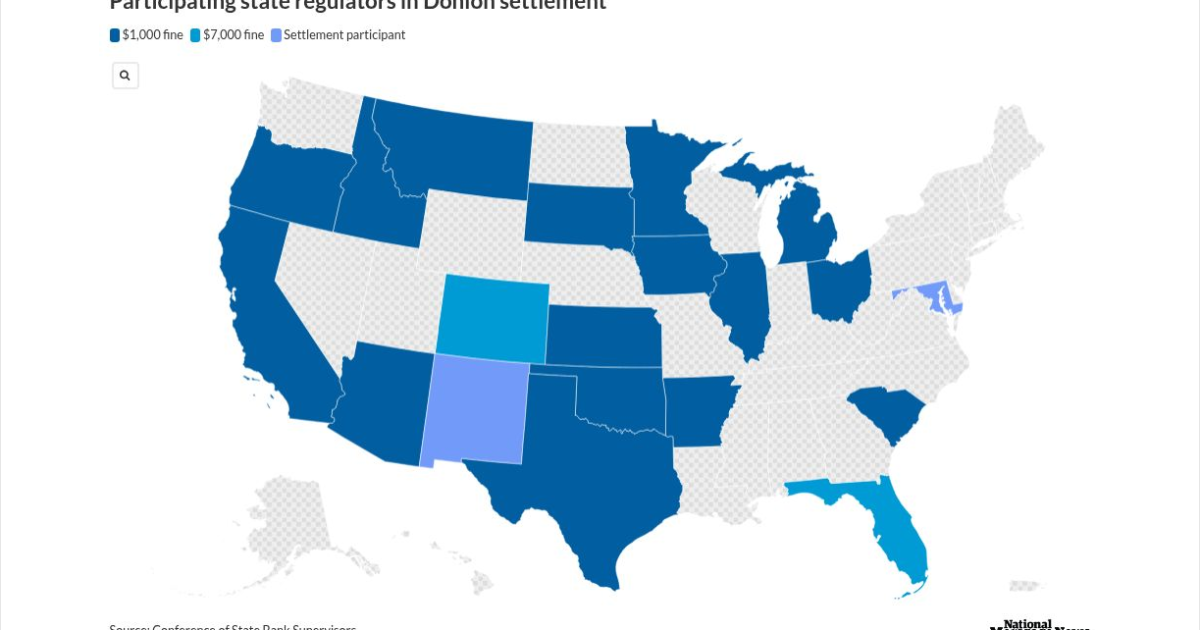
A multistate crackdown has sent shockwaves through the mortgage industry as Patrick Terrance Donlon, CEO of Trusted American Mortgage, accepted a sweeping settlement that bans him from working as a mortgage loan originator in 21 states—19 of them permanently. Regulators say Donlon had another individual complete his mandatory licensing and continuing‑education courses, a violation that triggered a coordinated investigation and a $31,000 penalty. The case underscores regulators’ growing intolerance for education fraud and serves as a sharp reminder to industry professionals: cutting corners on licensing can end careers.
Florida’s once‑booming housing market is cooling fast as rising insurance premiums, increasing foreclosures, and expanding flood zones push buyers to back out of deals and force sellers to cut prices. With insurance now adding thousands to annual housing costs, professionals across real estate, mortgage, and insurance are navigating a dramatically shifting landscape that’s redefining affordability in the Sunshine State.
Florida begins 2026 with a wave of more than 250 new laws now in effect, impacting healthcare, insurance, real estate, and consumer protections statewide. From free breast cancer screenings for state employees to tighter pet insurance regulations, mandatory healthcare refund rules, enhanced animal‑cruelty penalties, and new condo‑management requirements, these updates carry major implications for professionals navigating Florida’s evolving regulatory landscape.
Florida’s barrier islands may offer postcard-perfect beaches and soaring real estate demand, but they’re also some of the most fragile and costly places to build in the United States. With 765,000 residents living on land that shifts, sinks, and takes the brunt of every major hurricane, the financial and insurance risks are accelerating fast. From billion‑dollar beach rebuilds to towers settling into the sand, today’s coastal development challenges are reshaping conversations around property values, disclosure, and long‑term resilience. For real estate professionals, understanding these risks isn’t just smart — it’s becoming essential.
A Cedar City development is turning heads with its fresh approach to affordability. The team behind Temple View Commons is delivering luxury‑inspired twin homes at prices below the local median by using a small, hands‑on staff and cutting traditional costs like realtor commissions. In a tight Utah housing market where inventory is scarce and prices remain high, their strategy offers a realistic path to homeownership without sacrificing high‑end finishes.


 Title Insurance Leaders Double Down on Tech and Efficiency to Drive 2026 Market Momentum Gallery