Want Job Security in the Age of AI? Get a State License
Every generation has that one timeless piece of career advice. For the author of the original Guardian column, it came from a father who insisted on the power of becoming a certified public accountant. Not because the work was glamorous, but because it was stable. Taxes need filing. Finances need managing. And a state-issued license meant you could always put food on the table.
Today, in an era where artificial intelligence, automation and robotics continue to push boundaries, that same advice rings louder than ever: get a state license. Any license. In any profession. It remains one of the most effective forms of job protection we have.
Why Licensing Still Matters
Despite scrutiny from organizations like the Cato Institute and federal interest in reforming boards (read more), the reality remains unchanged: a state license creates opportunity, upward mobility and credibility.
Licensing validates competence through education, exams, and ongoing professional development. It signals to employers and clients that you’re not just trained — you’re vetted and accountable.
From beauticians to pharmacists, engineers to nurses, electricians to home inspectors, licensed professionals remain deeply insulated from the rapid automation affecting other fields. AI tools will certainly improve efficiency and reduce dangerous tasks, but they will still require trained, certified, licensed humans to operate, oversee and apply them.
The Rise of Licensed Trades in a Tech-Driven World
Tech isn’t replacing skilled trades — it’s supercharging them. Trade schools have seen enrollment rise more than 35% since 2020 according to Fox Business. Licensing across states has increased nearly 30% as more workers recognize that verified credentials unlock higher pay and job security (NCSL report).
And investors have taken notice. The Wall Street Journal reports private equity firms scooping up HVAC, plumbing and electrical companies — turning licensed contractors into unexpected millionaires.
Where Cameron Academy Fits In
For many professions — especially real estate, insurance, mortgage and finance — your career doesn’t begin without a state-approved license. Cameron Academy provides the education, exam prep and continuing education required to stay current, stay competitive and stay licensed in industries that AI will support — but not replace.
If stability, credibility and long-term earning potential matter, licensing is your foundation. We’re here to help you build it.
AI Won’t Replace Licensed Professionals — It Will Empower Them
Even in fields like accounting, where AI may soon handle tax prep, financial analysis and research, licensed professionals won’t become obsolete. Instead, they’ll become more valuable. AI can’t replace judgment, communication, empathy or ethical responsibility — core components of every licensed career.
Clients will assume their advisors, contractors and agents use the latest tech to do their work better. And they should. But they also trust that the person behind the tools is qualified by the state to guide them.
As the next tech boom rolls in, the biggest winners will be those who do work with their hands and minds — supported by tools, not replaced by them.
And for that future, nothing prepares you better than a state license.
More Articles
Getting licensed or staying ahead in your career can be a journey—but it doesn’t have to be overwhelming. Grab your favorite coffee or tea, take a moment to relax, and browse through our articles. Whether you’re just starting out or renewing your expertise, we’ve got tips, insights, and advice to keep you moving forward. Here’s to your success—one sip and one step at a time!
Los Alamitos Race Course is facing its most serious crisis in years after 18 horses died in 2025, prompting regulators to warn the track that its racing license is at risk without immediate safety reforms. Following three catastrophic injuries in a single day, the California Horse Racing Board has ordered urgent changes—including more veterinarians, stricter medication rules, and enhanced on‑track medical support—as pressure mounts for stronger oversight in a sport already under national scrutiny.
Canadian investors have poured more than US$5.8 billion into U.S. commercial real estate this year, making the U.S. their top destination even amid a lingering tariff dispute. Tight inventory in Canada and greater deal availability south of the border are driving the trend, with data centers and industrial properties emerging as the hottest targets for 2025.
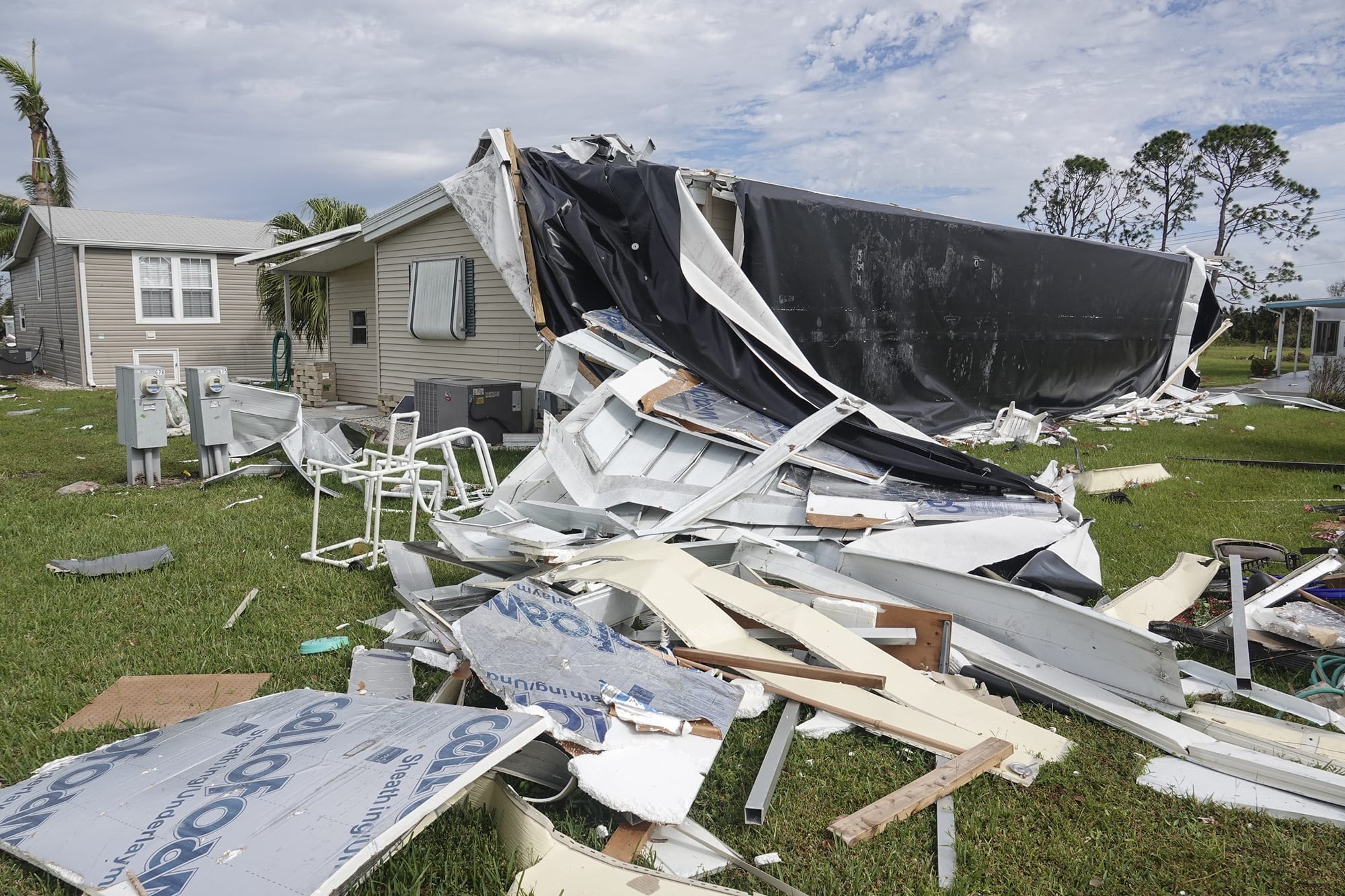
Florida’s insurance commissioner says even industry pros struggle to read today’s 150‑page homeowners policies—leaving residents shocked when hurricane claims are denied. With rising premiums, high replacement costs, and widespread confusion over exclusions like flood and water damage, the state is pushing for simpler, clearer policy language so homeowners know what they’re actually covered for before the next storm hits.
Following the 2025 elections, major metros like New York, Chicago, Miami, Los Angeles, and Boston are implementing policy shifts that could reshape property values, rental income, development timelines, and investment strategy heading into 2026. From New York’s push toward aggressive rent reform to Chicago’s sustainability mandates and Miami’s uncertain mayoral runoff, these changes signal a new era where local politics increasingly dictate market performance. This breakdown highlights the biggest post‑election real estate pivots and what they mean for investors, agents, and finance professionals preparing for a rapidly evolving landscape.
Florida’s Insurance Commissioner is sounding the alarm after thousands of homeowners discovered—only after hurricanes Helene and Milton—that the coverage they thought they had didn’t exist. With nearly 150,000 unpaid claims tied to misunderstood flood exclusions, water‑damage caps, and buried policy clauses, state leaders are pushing to simplify the dense, confusing documents most Floridians never read. As insurance costs remain one of the state’s top concerns, this growing complexity is creating a massive opportunity for real estate, mortgage, and insurance professionals to guide consumers before disaster strikes.
Florida’s insurance market is reliving an old crisis under a new name. Despite reforms meant to stabilize the system, homeowners are being forced out of Citizens and into pricier policies from small insurers with shaky financial histories. Companies tied to past insolvencies are returning with fresh branding, while highly rated carriers continue to deny a majority of claims. With political influence muddying regulation and climate risks rising, experts warn that only a full structural overhaul—not cosmetic reforms—can restore confidence for homeowners, agents, and the entire real estate market.