Warren Buffett’s Timeless 2026 Wisdom: Why Conviction Still Beats Prediction
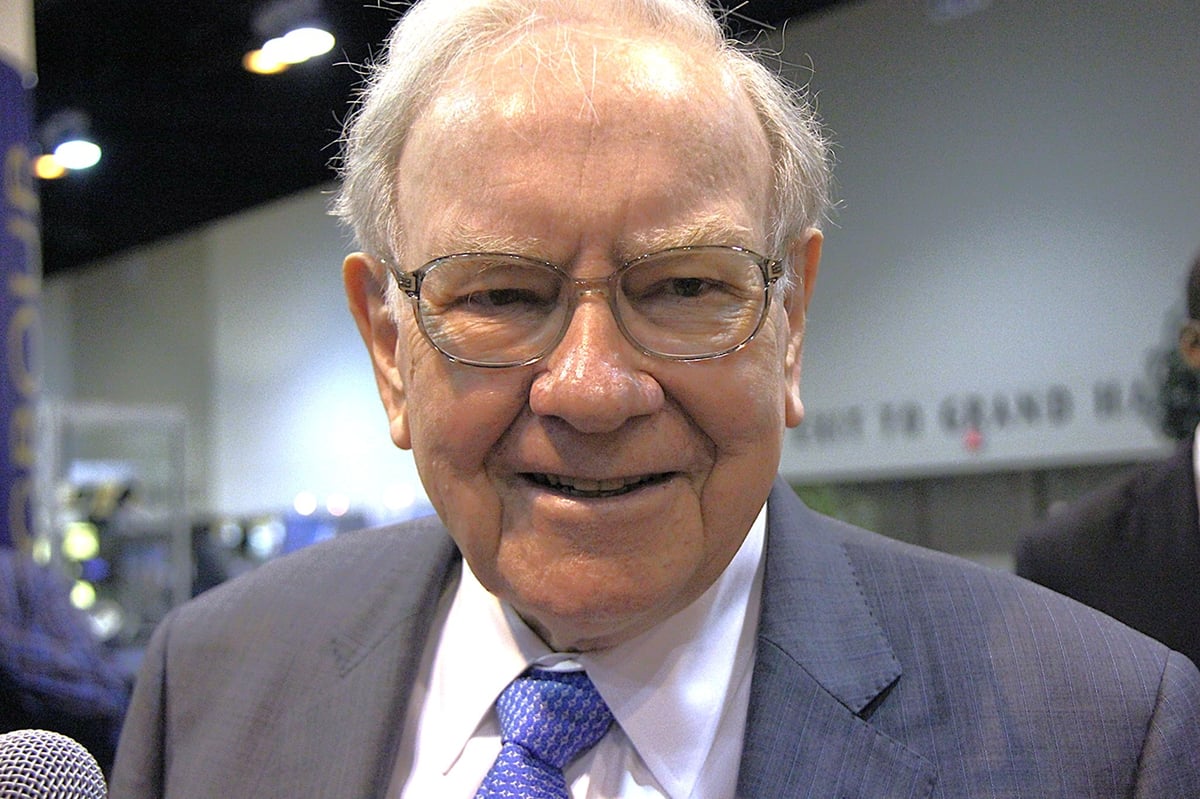
If you’re sipping your morning coffee and wondering how to navigate the markets in 2026, Warren Buffett may just have the clarity you’re looking for. His investing wisdom—sharpened over more than six decades—still cuts through the noise of today’s unpredictable market. And remarkably, the one thing he believes you truly need to succeed as an investor hasn’t changed at all.
Buffett’s legendary track record at Berkshire Hathaway speaks for itself. Growing the company at nearly a 20% compound annual rate, he effectively doubled the long-term performance of the S&P 500. Even earlier in his career, his investment partnerships delivered returns north of 30% per year. But behind every success story lies a philosophy that even today’s seasoned professionals can learn from.
The Optimum Portfolio Won’t Win Every Year — And That’s the Point
Buffett has always been comfortable concentrating his bets when he finds exceptional opportunities. He warned his partners as far back as 1966 that leaning into high‑conviction investments may produce “a very sour year” every now and then. But he also believed this volatility paved the way for superior long-term results.
This is a powerful reminder in 2026—especially if your own portfolio has started to look more concentrated than expected. Ask yourself whether each position is adding value by either outperforming alternatives or reducing overall volatility. If it’s doing neither, Buffett would say it’s time for a reassessment.
“We have to work extremely hard to find just a very few attractive investment situations.” — Warren Buffett, 1966
That hasn’t gotten any easier. Today’s market is flush with stretched valuations and fewer compelling opportunities. Even Berkshire Hathaway is holding record levels of cash. Sometimes the smartest move is simply patience.
The Real Secret: Conviction Is More Valuable Than Market Predictions
Buffett is undoubtedly a skilled stock picker, but the true secret behind his decades of market-beating success is conviction. He remains committed to his ideas—even when they underperform temporarily—because he deeply understands the businesses behind them.
Most investors struggle here. Without the time or experience to evaluate business fundamentals, many are easily swayed by emotion, headlines, or market swings. Buffett actually advises these individuals to avoid stock picking and instead invest in broad S&P 500 index funds.
“The main danger is that the timid or beginning investor will enter the market at a time of extreme exuberance and then become disillusioned when paper losses occur.”
His antidote? A simple, powerful plan:
- Invest consistently over long periods
- Ignore short-term market crashes
- Avoid selling when fear is highest
- Stay focused on long-term fundamentals
Whether you’re picking stocks or investing in index funds, Buffett’s message for 2026 is clear: conviction matters more than prediction. Success comes from understanding what you’re doing—and sticking with it.
The Takeaway for Today’s Professionals
Buffett reminds us that you don’t need to understand everything—just enough to make well‑reasoned, confident decisions. “Omniscience isn’t necessary,” he wrote. “You only need to understand the actions you undertake.”
That applies to investing, business, and your professional growth. At Cameron Academy, we see this same principle in our students—professionals who build long-term careers by consistently improving their skills, staying focused, and investing in themselves even when the journey gets challenging.
As you continue navigating 2026, let Buffett’s wisdom guide you: stay patient, think long-term, and move forward with conviction—one smart decision at a time.


