Washington Homebuyers and the National Real Estate Settlement: What You Need to Know
Saturday, August 17, marked a pivotal moment for the real estate industry, with the National Association of Realtors (NAR) and several brokerages agreeing to pay over $970 million to settle a federal lawsuit in Missouri. The lawsuit alleged that traditional agent commission structures inflated costs for homebuyers.
As part of the settlement, NAR-affiliated listing services must remove broker compensation offers from their websites, and brokers are now required to negotiate written service agreements with clients before home tours. However, these changes do not directly impact Seattle or most of Washington. This is due to existing state requirements and the Northwest Multiple Listing Service (NWMLS) opting not to join the settlement.
Washington’s Agency Law, effective since January, already mandates agents to have written service agreements with their clients. The NWMLS, covering 26 of Washington’s 39 counties, including King, Pierce, and Snohomish, is not affiliated with NAR and thus not subject to the settlement’s terms. Consequently, brokers in these areas can continue to post compensation offers on the MLS.
The NWMLS has argued that removing commission offers from home listings could harm transparency and potentially lead to deceptive practices. While the settlement might not bring immediate changes to the Seattle area, it has certainly brought the issue of broker compensation into the spotlight.
Industry observers suggest that the increased attention, along with the state’s Agency Law update and NWMLS’s earlier reforms, could eventually lead to more price competition and lower average brokerage fees. This could potentially benefit home sellers by reducing the cost of agent commissions.
In Eastern Washington, where the Spokane MLS is NAR-owned, there have been some adjustments following the settlement’s new requirements. Karene Loman, president-elect of the Spokane Realtors, noted that it will take some time for brokers to adapt to the new way of doing business.
While some analysts predict that the changes could lower brokerage fees by 1% to 2% or encourage alternative payment models, such as flat fees, others remain skeptical about the long-term impact. In the Seattle metro area, agent commissions have largely remained the same despite the reforms.
Stephen Brobeck, senior fellow at the Consumer Federation of America, pointed out that despite new rules offering consumers more choices, practices have not substantially changed. He advocates for a system where homebuyers and sellers make separate payment arrangements with brokers.
Some Seattle-area brokers have welcomed the national changes as a step toward more transparency. John Manning, managing broker at RE/MAX Gateway in Seattle, emphasized the importance of allowing consumers input and choice regarding commissions.
Kevin Broveleit, principal of West Seattle Realty, believes that the national trends and local changes will lead to real change in how compensation is negotiated, supporting a more competitive environment where consumers can compare prices between different vendors.
As the real estate landscape continues to evolve, it remains to be seen how these changes will ultimately impact the market. For now, Washington homebuyers should stay informed about the ongoing developments and consider how they might affect their real estate transactions.
For more details, you can read the original article on The Seattle Times.
“`
More Articles
Getting licensed or staying ahead in your career can be a journey—but it doesn’t have to be overwhelming. Grab your favorite coffee or tea, take a moment to relax, and browse through our articles. Whether you’re just starting out or renewing your expertise, we’ve got tips, insights, and advice to keep you moving forward. Here’s to your success—one sip and one step at a time!
Florida homeowners — especially in hard‑hit South Florida — are set to see rare and substantial reductions in their property insurance premiums. Gov. Ron DeSantis announced an average statewide Citizens Insurance decrease of 8.7%, with even larger savings of up to 14% in counties like Miami-Dade, Broward, and Palm Beach. State officials credit recent legal and regulatory reforms for stabilizing the market, attracting new insurers, and delivering the first meaningful rate relief Floridians have seen in years.
Tampa’s commercial real estate market isn’t slowing—it’s maturing. With strong population growth, rising office demand, a normalized industrial sector, resurgent retail, and an emerging health‑care real estate boom, investors are shifting from speed to strategy. Tighter underwriting, cautious capital and increased due‑diligence are shaping a more disciplined market, creating new opportunities for informed professionals.
Florida homeowners are finally seeing relief as Citizens Property Insurance announces a major 8.7% average rate decrease—far larger than originally proposed. Driven by legislative reforms, fewer lawsuits, and a calm hurricane season, the state’s once‑unstable insurance market is showing real signs of recovery. But with reduced coverage limits and shifting legal protections, experts warn that lower premiums may come with hidden trade‑offs.
After a decade of rising premiums and retreating carriers, Florida homeowners are finally seeing long‑awaited relief. Dozens of insurers have filed for rate decreases—some as high as 11%—thanks to legislative reforms and a stabilizing market. Early approvals are already hitting counties across the state, and experts say the momentum could boost buyer confidence, affordability, and competition throughout Florida’s real estate and insurance sectors.
After years of slowed activity caused by rising interest rates, the self‑storage industry is heating up again. New data from Marcus & Millichap shows a fresh market cycle emerging, driven by renewed buyer confidence, recalibrated pricing, and stronger lender participation. Acquisitions are rebounding, development is resetting in a healthier direction, and financing conditions are improving—creating one of the most promising investment landscapes the sector has seen in years.
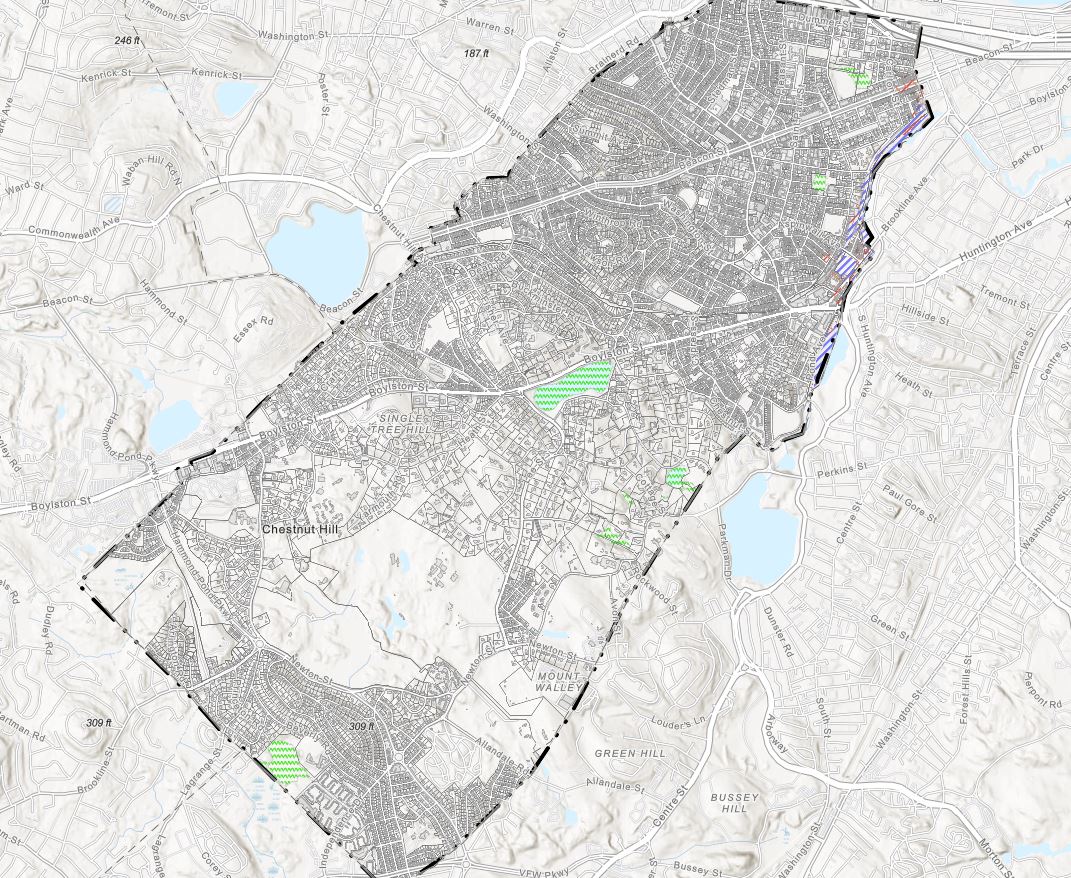
Brookline’s newly updated FEMA flood maps identify 97 high‑risk parcels, but local experts warn the true threat is far greater. While FEMA highlights river‑based flooding around Leverett Pond and the Muddy River, alternative models show more than 1,300 Brookline properties at risk within 30 years. Hidden vulnerabilities along major corridors like Beacon Street, rising rainfall intensity, aging infrastructure, and climate‑driven storm patterns suggest that many “low‑risk” areas may be anything but safe.