Wearable Tech: A New Frontier in Heart Failure Management

In the bustling corridors of healthcare innovation, a quiet revolution is underway. Wearable technologies are emerging as a beacon of hope for heart failure (HF) management, promising a future where patient care is not just reactive but proactive. As reported in a recent Nature article, these devices are poised to transform how we monitor and manage HF patients.
Wearable technology for heart failure

Potential and Promise

Wearable devices, ranging from accelerometers to ECG and bio-impedance sensors, provide a continuous stream of real-time data. This data is crucial for tracking heart rhythm, rate, and even pulmonary congestion, offering insights that can inform clinical decisions and potentially reduce hospitalizations. The integration of such technology could alleviate the burden on healthcare systems, allowing for more efficient patient care.

Current Challenges

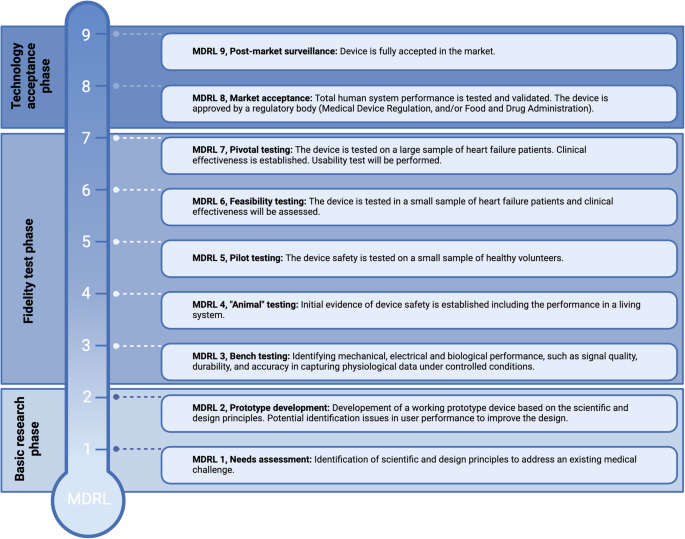
Despite their potential, most wearables are still in the feasibility phase, lacking the robust evidence needed to demonstrate substantial clinical benefits. The review highlights the necessity for large-scale randomized controlled trials (RCTs) to validate these technologies. Without such evidence, the adoption of wearables in clinical practice remains limited.

Future Directions

The path forward is clear: comprehensive studies across diverse populations are essential. Ensuring that these technologies provide equitable benefits will be key to their success. As researchers like Niels T. B. Scholte and his team at Erasmus Medical Center continue to push the boundaries, the hope is that wearables will soon transition from promising prototypes to integral components of HF management.

Conclusion

The journey of wearable technology in heart failure management is just beginning. As the field evolves, the focus must remain on rigorous validation and equitable access. Only then can we unlock the full potential of these innovations, transforming patient care and health outcomes.

References

  • Disease, G. B. D., Injury, I., & Prevalence, C. Global burden of disease study (2017). Lancet, 392, 1789–1858.
  • Savarese, G. et al. Global burden of heart failure. Cardiovasc. Res., 118, 3272–3287 (2023).
  • Scholte, N. T. B. et al. Telemonitoring for heart failure. Eur. Heart J., 44, 2911–2926 (2023).
  • Seva, R. R. et al. Medical device readiness level. Theor. Issues Erg. Sci., 24, 189–205 (2023).

Contact

For more information, reach out to Niels T. B. Scholte at [email protected].

More Articles

Getting licensed or staying ahead in your career can be a journey—but it doesn’t have to be overwhelming. Grab your favorite coffee or tea, take a moment to relax, and browse through our articles. Whether you’re just starting out or renewing your expertise, we’ve got tips, insights, and advice to keep you moving forward. Here’s to your success—one sip and one step at a time!

AI Assistants Reshaping Real Estate: Embrace the Future

In the rapidly evolving world of real estate, AI assistants are making waves, promising to enhance the efficiency of agents without replacing the invaluable human touch.

By |August 19, 2025|Categories: AI Technology, Article, Real Estate|Tags: , |0 Comments

Revolv Real Estate Launches Orange Key Academy to Empower Future Real Estate Professionals

In a transformative initiative, revolv Real Estate has launched the Orange Key Academy, an educational platform aimed at empowering the next generation of real estate professionals.

Navigating Financial Success in 2025: Top 10 Strategic Wealth Planning Tips

In the ever-evolving landscape of financial planning, 2025 presents an array of opportunities and challenges. With the dawn of a new U.S. administration, the potential for significant tax law changes looms large, prompting individuals to reassess their financial strategies.

Copyright Office’s New Guidance on Fair Use in AI: A Delicate Balance

In a groundbreaking move, the U.S. Copyright Office has released its third and final report in the "Copyright and Artificial Intelligence" series, offering nuanced guidance on fair use in the realm of generative AI (GenAI) training. This comprehensive analysis, dated May 16, 2025, sheds light on the intricate legal landscape surrounding the use of copyrighted materials in AI model training.

By |August 17, 2025|Categories: Article, Artificial Intelligence, Copyright Law|Tags: , |0 Comments

CE Shop Crowned Best Overall Online Real Estate School for August 2025

The CE Shop has emerged as the top contender in the realm of online real estate education. According to a recent Investopedia article, the CE Shop was distinguished as the best overall online real estate school for August 2025.

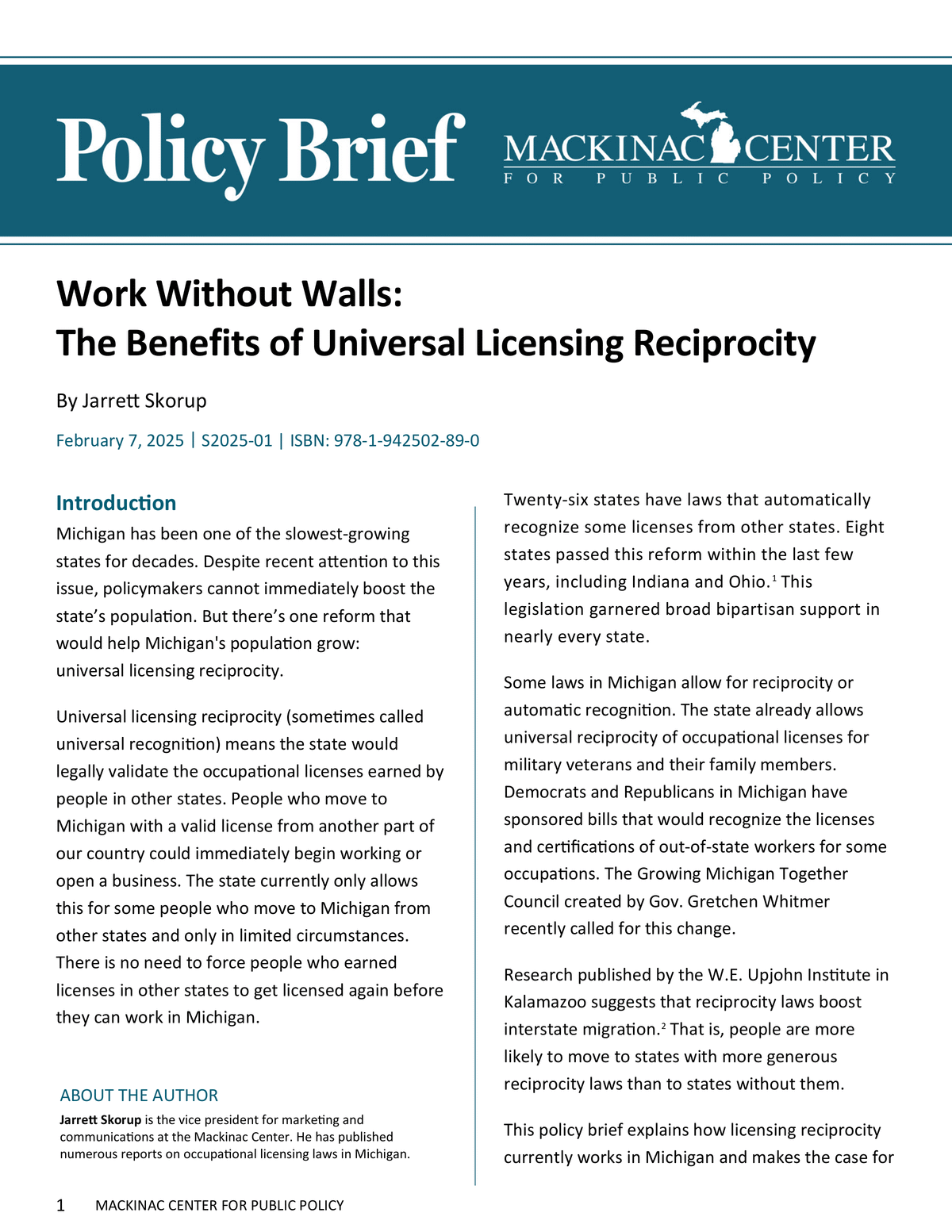
Michigan’s Path to Economic Revival: Embracing Universal Licensing Reciprocity

Michigan has grappled with slow population growth for decades, but introducing universal licensing reciprocity could catalyze change. By legally validating out-of-state occupational licenses, Michigan could attract a diverse array of skilled professionals, fostering economic expansion and addressing workforce shortages.