Wearable Tech: A New Frontier in Heart Failure Management
In the bustling corridors of healthcare innovation, a quiet revolution is underway. Wearable technologies are emerging as a beacon of hope for heart failure (HF) management, promising a future where patient care is not just reactive but proactive. As reported in a recent Nature article, these devices are poised to transform how we monitor and manage HF patients.
Potential and Promise
Wearable devices, ranging from accelerometers to ECG and bio-impedance sensors, provide a continuous stream of real-time data. This data is crucial for tracking heart rhythm, rate, and even pulmonary congestion, offering insights that can inform clinical decisions and potentially reduce hospitalizations. The integration of such technology could alleviate the burden on healthcare systems, allowing for more efficient patient care.
Current Challenges
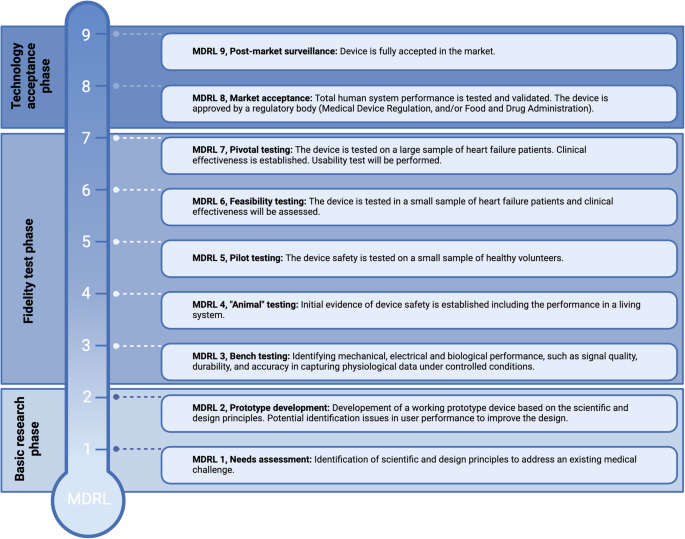
Despite their potential, most wearables are still in the feasibility phase, lacking the robust evidence needed to demonstrate substantial clinical benefits. The review highlights the necessity for large-scale randomized controlled trials (RCTs) to validate these technologies. Without such evidence, the adoption of wearables in clinical practice remains limited.
Future Directions
The path forward is clear: comprehensive studies across diverse populations are essential. Ensuring that these technologies provide equitable benefits will be key to their success. As researchers like Niels T. B. Scholte and his team at Erasmus Medical Center continue to push the boundaries, the hope is that wearables will soon transition from promising prototypes to integral components of HF management.
Conclusion
The journey of wearable technology in heart failure management is just beginning. As the field evolves, the focus must remain on rigorous validation and equitable access. Only then can we unlock the full potential of these innovations, transforming patient care and health outcomes.
References
Disease, G. B. D., Injury, I., & Prevalence, C. Global burden of disease study (2017). Lancet, 392, 1789–1858.
Savarese, G. et al. Global burden of heart failure. Cardiovasc. Res., 118, 3272–3287 (2023).
Scholte, N. T. B. et al. Telemonitoring for heart failure. Eur. Heart J., 44, 2911–2926 (2023).
Seva, R. R. et al. Medical device readiness level. Theor. Issues Erg. Sci., 24, 189–205 (2023).
Contact
For more information, reach out to Niels T. B. Scholte at [email protected].
More Articles
Getting licensed or staying ahead in your career can be a journey—but it doesn’t have to be overwhelming. Grab your favorite coffee or tea, take a moment to relax, and browse through our articles. Whether you’re just starting out or renewing your expertise, we’ve got tips, insights, and advice to keep you moving forward. Here’s to your success—one sip and one step at a time!
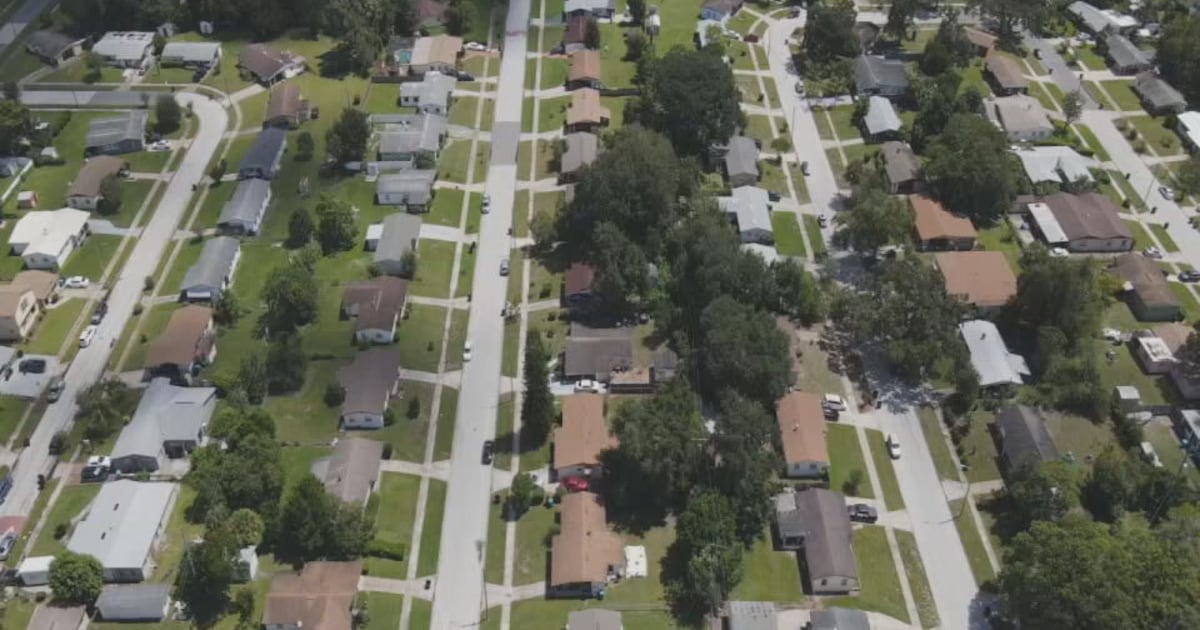
After years of soaring premiums and insurer instability, Florida’s property insurance market is finally turning a corner. Major carriers have filed 83 requests for rate decreases heading into 2026, with companies like Florida Peninsula and Patriot Select proposing cuts of 8.4% and 11.3%. Some homeowners may see relief as early as next month, signaling a long‑awaited shift toward market stability.
Fix-and-flip investing is gearing up for one of its strongest years in a decade as 2026 approaches. With cheaper capital, more accessible funding, easing interest rates, and long-awaited increases in housing inventory, investors are finding the perfect environment to launch or scale renovation-based real estate businesses. Renovation continues to outpace new construction in cost and speed, and demand for move-in-ready homes remains high, making 2026 a powerful opportunity window for both new and experienced investors.
After a short-lived period of relief in 2025, the U.S. rental market may be headed for a tighter, more expensive 2026. With construction starts dropping nearly 11% and completions plunging 42%, the surge of new apartments that helped lower rents is rapidly drying up. Rising costs, shrinking inventory, and a slowdown in new development point to a potential rental crunch that could leave renters facing heavier competition and higher prices across major markets next year.
The commercial real estate market is entering a rare reset that experts say mirrors the post‑2008 boom, creating a potential window for disciplined investors. With trillions in commercial debt coming due and property values dropping up to 40%, firms like AARE are positioning themselves to acquire assets below replacement cost—an advantage that could set the stage for significant long‑term growth.
Commercial real estate is entering a reinvention phase, with AI‑driven productivity, modernized office demand, experience‑focused retail, expanding industrial logistics, creative housing solutions, and sustainability‑centered design all accelerating nationwide. These six forces are shaping how investors, brokers, and future licensees will operate in a rapidly evolving U.S. market.
After years of economic uncertainty and cautious decision‑making, 2026 is shaping up to be the year professionals finally catch a break. AI is moving from buzzword to essential tool, capital markets are beginning to thaw, and hiring is picking up across real estate, mortgage, insurance, finance, and healthcare. With opportunity returning, many professionals are using this moment to upskill—pursuing new licenses, certifications, and cross‑industry expertise.