Wearable Tech: A New Frontier in Heart Failure Management
In the bustling corridors of healthcare innovation, a quiet revolution is underway. Wearable technologies are emerging as a beacon of hope for heart failure (HF) management, promising a future where patient care is not just reactive but proactive. As reported in a recent Nature article, these devices are poised to transform how we monitor and manage HF patients.
Potential and Promise
Wearable devices, ranging from accelerometers to ECG and bio-impedance sensors, provide a continuous stream of real-time data. This data is crucial for tracking heart rhythm, rate, and even pulmonary congestion, offering insights that can inform clinical decisions and potentially reduce hospitalizations. The integration of such technology could alleviate the burden on healthcare systems, allowing for more efficient patient care.
Current Challenges
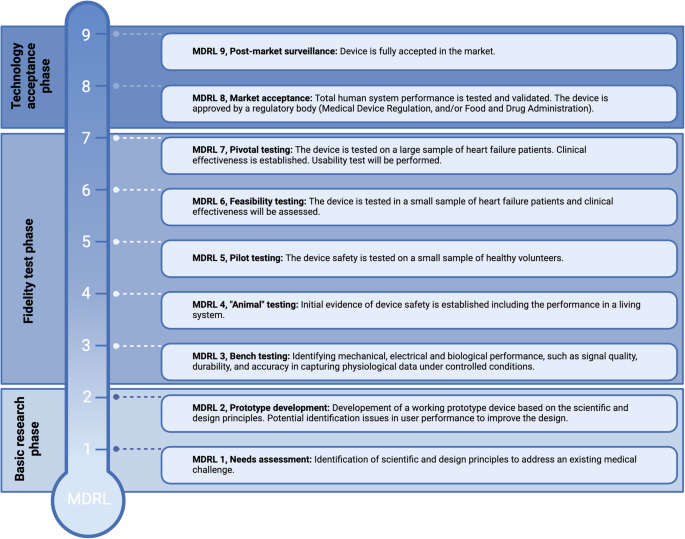
Despite their potential, most wearables are still in the feasibility phase, lacking the robust evidence needed to demonstrate substantial clinical benefits. The review highlights the necessity for large-scale randomized controlled trials (RCTs) to validate these technologies. Without such evidence, the adoption of wearables in clinical practice remains limited.
Future Directions
The path forward is clear: comprehensive studies across diverse populations are essential. Ensuring that these technologies provide equitable benefits will be key to their success. As researchers like Niels T. B. Scholte and his team at Erasmus Medical Center continue to push the boundaries, the hope is that wearables will soon transition from promising prototypes to integral components of HF management.
Conclusion
The journey of wearable technology in heart failure management is just beginning. As the field evolves, the focus must remain on rigorous validation and equitable access. Only then can we unlock the full potential of these innovations, transforming patient care and health outcomes.
References
Disease, G. B. D., Injury, I., & Prevalence, C. Global burden of disease study (2017). Lancet, 392, 1789–1858.
Savarese, G. et al. Global burden of heart failure. Cardiovasc. Res., 118, 3272–3287 (2023).
Scholte, N. T. B. et al. Telemonitoring for heart failure. Eur. Heart J., 44, 2911–2926 (2023).
Seva, R. R. et al. Medical device readiness level. Theor. Issues Erg. Sci., 24, 189–205 (2023).
Contact
For more information, reach out to Niels T. B. Scholte at [email protected].
More Articles
Getting licensed or staying ahead in your career can be a journey—but it doesn’t have to be overwhelming. Grab your favorite coffee or tea, take a moment to relax, and browse through our articles. Whether you’re just starting out or renewing your expertise, we’ve got tips, insights, and advice to keep you moving forward. Here’s to your success—one sip and one step at a time!
The greenhouse industry is entering 2026 with a complex wave of overlapping risks — from rising insurance costs and extreme weather to cyber threats, labor shortages, and unstable supply chains. These challenges aren’t isolated; they compound one another, increasing pressure on growers and business owners alike. Insights from industry experts reveal the key trends shaping risk management in the year ahead and what operators must do now to stay resilient.
New FDIC reporting rules are changing how banks classify and disclose commercial real estate loans, replacing the old Troubled Debt Restructuring label with clearer “financial difficulty” modifications and expanding transparency across structured products and capital requirements. These updates may briefly tighten lending but ultimately promise stronger liquidity, cleaner risk data, and more predictable CRE financing as banks adapt.
Artificial intelligence is no longer an upcoming trend—it's already reshaping how real estate professionals work, compete, and win. With the AI real estate sector set to surge from $222B in 2024 to nearly $1T by 2029, the industry is undergoing a rapid transformation in valuations, virtual tours, listings, investment analysis, and client management. Agents and investors who embrace AI tools are gaining unprecedented efficiency and insight, while those who resist risk falling behind.
The Federal Housing Finance Agency is weighing the idea of 50‑year mortgages, a move that could make monthly payments more affordable but dramatically increase total interest costs. Supporters say it may help young professionals break into the housing market, while critics warn it could trap families in half a century of debt. As the industry debates this controversial loan option, real estate and mortgage professionals must stay informed to guide clients through the shifting landscape.
December is shaping up to be another unpredictable month for mortgage rates. With the Federal Reserve signaling mixed messages, key economic reports running behind schedule, and lenders already looking ahead to 2026, rates could face upward pressure. Experts from Fannie Mae and the MBA project an average 30‑year rate around 6.3% for late 2025, suggesting a potential December bump. For real estate and mortgage professionals, understanding this volatility isn’t just helpful — it’s a competitive edge.
Sellers are cutting prices at record levels, delistings are surging to highs not seen since 2017, and buyers remain hesitant despite slightly lower mortgage rates. With affordability still strained and new construction slowing, the 2025 housing market is entering a deeper‑than‑usual winter slowdown marked by caution on all sides.