Wearable Technology: A New Frontier in Heart Failure Management

In the ever-evolving landscape of medical technology, wearables have emerged as a promising solution for enhancing the remote monitoring of heart failure patients. These devices, capable of tracking crucial physiological parameters, hold the potential to revolutionize patient care. However, their integration into clinical practice is not without challenges.
A recent scoping review published in Nature highlights the current state of wearable technology for heart failure management. The review, conducted by a team of researchers including Annemiek E. van Ravensberg and Abdul Shakoor, delves into the readiness of these devices for clinical use, employing the Medical Device Readiness Level (MDRL) as a framework for assessment.

The Promise and the Pitfalls

Wearable devices offer a personalized and empowering experience for patients, potentially becoming a vital component of modern heart failure management. Yet, the review underscores a significant barrier: the lack of rigorous evaluations. Of the 99 studies identified, only a handful were randomized controlled trials, leaving a gap in robust evidence needed for widespread clinical adoption.
The review also points out that most consumer-grade wearables are in the feasibility testing stage (MDRL 6), with only two devices specifically designed for heart failure remote monitoring receiving FDA approval.

Global Burden and the Need for Innovation

Heart failure affects approximately 63 million people worldwide, placing immense strain on healthcare systems. The necessity for frequent outpatient visits and hospitalizations exacerbates this burden, especially in today’s healthcare environment, which is already grappling with limited capacity and staff shortages. Remote monitoring, as highlighted in the meta-analysis by Scholte et al., has been proposed as a solution, showing promise in reducing mortality and hospitalization rates.

Challenges in Clinical Integration

Despite the potential benefits, the integration of wearable technology into heart failure care faces significant hurdles. The absence of standardized methodologies and external validation contributes to uncertainty about the actual impact of these devices. Current heart failure guidelines offer limited endorsement for incorporating remote monitoring, reflecting the need for further research and validation.

The Path Forward

As the healthcare industry looks to the future, the role of wearable technology in heart failure management remains a subject of intense interest and debate. The review calls for more extensive studies to establish clinical benefits, urging the medical community to bridge the gap between promising technology and practical application.
For more details on this groundbreaking review, visit the original article.

More Articles

Getting licensed or staying ahead in your career can be a journey—but it doesn’t have to be overwhelming. Grab your favorite coffee or tea, take a moment to relax, and browse through our articles. Whether you’re just starting out or renewing your expertise, we’ve got tips, insights, and advice to keep you moving forward. Here’s to your success—one sip and one step at a time!

Is Florida’s Booming Real Estate Market Becoming Unaffordable?

Florida is facing a real estate crisis marked by skyrocketing insurance premiums, stringent FEMA rules, and a surge in hedge fund property acquisitions.

By |November 14, 2024|Categories: Article, Finance/Economy, Real Estate|Tags: , |0 Comments

Revolutionizing Cancer Therapy: The Promise of Patient-Derived Organoids

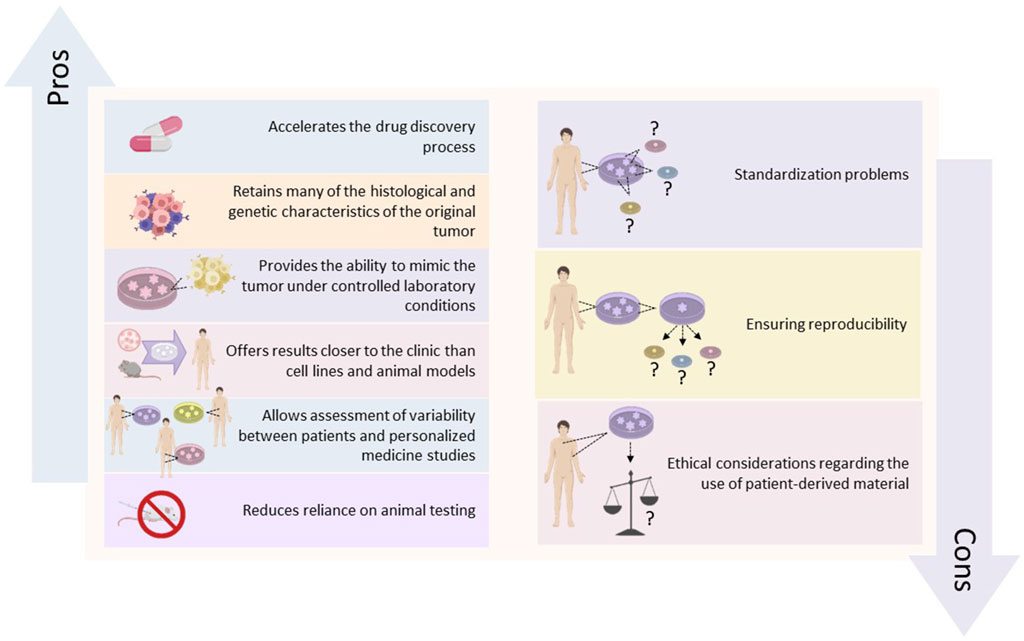
Patient-derived organoids offer an unprecedented opportunity to replicate the complex structure and genetic makeup of cancers, providing a more accurate model for clinical drug screening and pharmacognostic assessment.

The AI Revolution in Dermatology: A Systematic Review

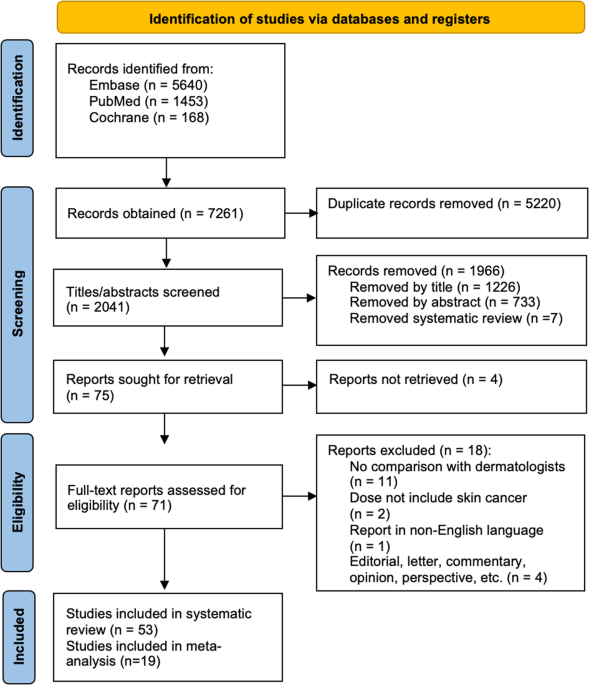
In a groundbreaking study published in Nature, researchers have delved into the burgeoning field of artificial intelligence (AI) in dermatology, specifically examining its role in diagnosing skin cancer. The study, titled "A Systematic Review and Meta-Analysis of Artificial Intelligence Versus Clinicians for Skin Cancer Diagnosis," offers a comprehensive look at how AI stacks up against human clinicians in this critical area of healthcare.

By |November 14, 2024|Categories: AI in Healthcare, Article, Dermatology|Tags: , |0 Comments

The Fast Lane to Fully Autonomous Vehicles: Industry Innovations and Future Prospects

The automotive world is abuzz with announcements from major players like Tesla, Rimac, Renault, and Nissan, each unveiling plans to introduce autonomous vehicles in the near future. Tesla's much-anticipated "CyberCab" is set for an October 2024 debut, while Rimac and Renault are gearing up for releases in 2026.

Futureproofing for Insurers: The Role of AI and Hyper-Personalization

In a rapidly evolving industry, insurance companies are turning to artificial intelligence (AI) and hyper-personalization to stay ahead of the curve.

Revolutionizing Healthcare: The Power and Potential of AI

AI technology offers a multitude of benefits, from enhancing patient outcomes to reducing healthcare costs and improving population health. Its application ranges from preventive screenings to complex diagnostic procedures, marking a new era in medical care.

By |November 13, 2024|Categories: Article, Artificial Intelligence, Healthcare|Tags: , |0 Comments