Your Weekly CRE Pulse: Shutdown Shockwaves, Office Edges of Recovery, and America’s New STEM Powerhouses
The commercial real estate world hasn’t slowed down for a moment—and for professionals across real estate, mortgage, appraisal, and finance, staying plugged into the latest shifts is essential. This week’s roundup blends economic ripples from the federal shutdown, evolving office market realities, fresh insights from Altus Group’s Q3 research, and a national look at the markets being reshaped by STEM‑fueled demand.
Brought to you by the research team at Altus Group, here’s your curated, coffee‑ready breakdown. And if you’re building or upgrading your career in real estate, mortgage, or another licensed profession, Cameron Academy is here to help you earn your credentials with ease and confidence.
Shutdown Aftershocks Hit CRE Hard
The commercial real estate industry is still digging out from the 43‑day federal shutdown—and the backlog is unlike anything the sector has seen before. Bisnow reports that the shutdown cost the U.S. economy roughly $11 billion in lost GDP, with affordable housing developers facing frozen HUD loan processing and delayed voucher approvals. Hospitality wasn’t spared either: hotel operators reported $1.2B in lost revenue.
With another potential shutdown looming early next year and financing costs still rising, CRE leaders are racing to close deals quickly.
Read the full Bisnow report.
Chicago’s Loop Sees Values Slip 7.2%
Chicago’s iconic Loop is facing declining commercial property values—down 7.2% in just one year—paired with rising vacancies. Bloomberg highlights that shifting tax burdens forced Chicago homeowners to shoulder an additional $469.4 million in taxes.
Underfunded pensions and weakening commercial valuations are driving the trend.
Explore the data.
Ackman: “Now Isn’t the Time to Sell Fannie and Freddie”
Hedge fund billionaire Bill Ackman is urging caution as the federal government considers selling its stakes in Fannie Mae and Freddie Mac. Bloomberg reports Ackman’s stance: major steps—including exercising government warrants and relisting the GSEs on the NYSE—must come first.
While the Trump administration is eyeing a public offering as early as late 2025, many experts say the timeline is far too ambitious.
Full story here.
STEM Cities Are Supercharging CRE Demand
RCLCO’s latest STEM Job Growth Index confirms what many CRE analysts suspected: STEM hubs are setting the pace for future demand. Austin once again leads the nation, followed by Seattle, Raleigh, Denver, and Boston—with Dallas and Charlotte newly entering the top 10.
STEM employment has grown at twice the pace of non‑STEM jobs since 2019, boosting demand for office, lab, and R&D spaces.
View the report.
Office Recovery: A Tale of Two Realities
The Wall Street Journal reports that while a handful of districts in places like New York and San Francisco show true signs of recovery, most U.S. office markets remain stuck. Remote and hybrid work continue reshaping demand—breaking the traditional link between job growth and leasing activity.
With rising CMBS delinquencies and more properties being surrendered to lenders, the market remains fragmented yet full of opportunity, especially with conversion projects gaining momentum.
Read the article.
Altus Insights: Q3 2025 CRE Signals Show Momentum
Altus Group’s newly released Q3 2025 Investment and Transactions Quarterly provides a data-rich snapshot of a market quietly building momentum:
45,893 non-distressed property transactions Up 12.6% quarter‑over‑quarter and 6.8% year‑over‑year
$150.6B in total transaction volume Up 23.7% QoQ and 25.1% YoY
Median price per square foot Up 2.9% QoQ and 14.2% YoY
Top performing sectors:
Hospitality (+4.3% QoQ), Multifamily (+3.5% QoQ), Automotive (+19.4% YoY), Other industrial (+18.1% YoY)
Or listen to the Altus CRE Exchange podcast exploring whether this quarter marks the beginning of a CRE turnaround:
Listen here.
Looking Ahead
The commercial real estate landscape continues evolving—from shutdown-driven backlogs to STEM-powered markets and a split office recovery. Whether you’re investing, developing, managing, or preparing for your next professional milestone, staying informed is your edge.
And if that next step includes earning or upgrading a real estate, mortgage, or professional license, Cameron Academy is ready with flexible formats, modern curriculum, and a mission to help you grow with confidence.
More Articles
Getting licensed or staying ahead in your career can be a journey—but it doesn’t have to be overwhelming. Grab your favorite coffee or tea, take a moment to relax, and browse through our articles. Whether you’re just starting out or renewing your expertise, we’ve got tips, insights, and advice to keep you moving forward. Here’s to your success—one sip and one step at a time!
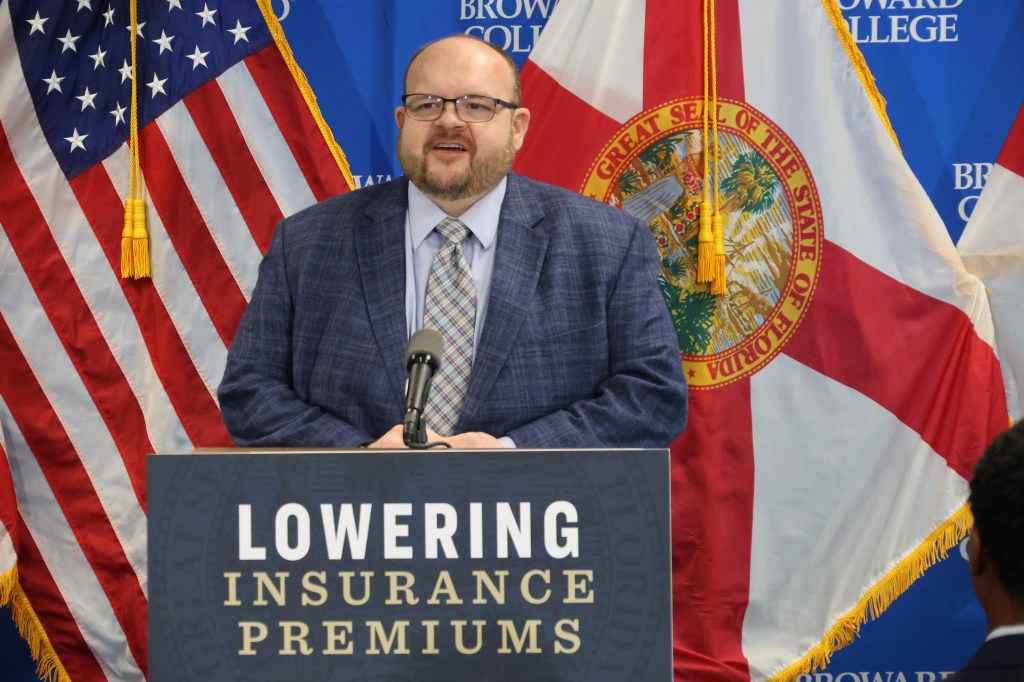
Florida’s property insurance market is finally showing signs of recovery after years of soaring premiums, litigation chaos, and insurer withdrawals. With rate increases now the lowest in the nation, Citizens Insurance shrinking, and new carriers re‑entering the state, Insurance Commissioner Michael Yaworsky says the market is turning a corner. But while stabilization is underway, many homeowners are still asking why premiums haven’t dropped—and the answer lies in skyrocketing replacement costs, not rates. As reforms continue and AI, transparency rules, and mitigation incentives expand, real estate and insurance professionals should prepare for an evolving landscape that directly impacts affordability, buyer behavior, and long‑term market confidence.
In a candid conversation with Mortgage Professional America, NAMB president Kimber White lays out a series of structural reforms aimed at restoring homeownership access for millions of Americans. From revitalizing down payment assistance to rethinking loan-level price adjustments and incentivizing builders, White argues that meaningful affordability relief is achievable—but only through coordinated policy changes that address both costs and inventory shortages.
Artificial intelligence is rapidly transforming the insurance world, but a major power struggle is unfolding over who gets to regulate it. As insurers adopt AI at record speed, state regulators and the federal government are clashing over oversight authority—especially after a new executive order aims to put Washington in charge. With states pushing back and new evaluation tools on the horizon, the future of AI in insurance is becoming one of the biggest regulatory battles professionals need to watch.
A new CBRE Investor Intentions Survey shows that 2026 is shaping up to be a strong year for commercial real estate, with 95 percent of investors planning to buy more assets and over half increasing their capital allocation. Stabilizing pricing, improving market fundamentals, and expectations of cooling debt costs are driving renewed optimism as investors target high‑growth markets like Dallas, Atlanta, Tampa, and Charlotte, while doubling down on multifamily, industrial, and value‑add strategies.
Lofty has introduced Lofty AOS, the first agentic AI operating system built to autonomously manage real estate workflows—from lead engagement to marketing, transactions, and website creation. Unlike traditional AI that waits for prompts, Lofty’s system operates like a full digital workforce, coordinating tasks across specialized AI agents. As this technology transforms daily operations for agents and brokerages, professionals with strong training and licensing will become even more essential.
The Federal Reserve has started 2026 by keeping interest rates unchanged, despite political pressure, stubborn inflation, and a cooling job market. While consumers don’t pay the federal funds rate directly, its effects ripple through mortgages, credit cards, auto loans, and savings accounts. Mortgage affordability remains tight, credit card APRs are easing slowly, auto loan balances are climbing, and savings yields are one of the few bright spots. For real estate, mortgage, and finance professionals, understanding these shifts is essential as the market braces for another complex year.