Your Weekly CRE Pulse: Shutdown Shockwaves, Office Edges of Recovery, and America’s New STEM Powerhouses
The commercial real estate world hasn’t slowed down for a moment—and for professionals across real estate, mortgage, appraisal, and finance, staying plugged into the latest shifts is essential. This week’s roundup blends economic ripples from the federal shutdown, evolving office market realities, fresh insights from Altus Group’s Q3 research, and a national look at the markets being reshaped by STEM‑fueled demand.
Brought to you by the research team at Altus Group, here’s your curated, coffee‑ready breakdown. And if you’re building or upgrading your career in real estate, mortgage, or another licensed profession, Cameron Academy is here to help you earn your credentials with ease and confidence.
Shutdown Aftershocks Hit CRE Hard
The commercial real estate industry is still digging out from the 43‑day federal shutdown—and the backlog is unlike anything the sector has seen before. Bisnow reports that the shutdown cost the U.S. economy roughly $11 billion in lost GDP, with affordable housing developers facing frozen HUD loan processing and delayed voucher approvals. Hospitality wasn’t spared either: hotel operators reported $1.2B in lost revenue.
With another potential shutdown looming early next year and financing costs still rising, CRE leaders are racing to close deals quickly.
Read the full Bisnow report.
Chicago’s Loop Sees Values Slip 7.2%
Chicago’s iconic Loop is facing declining commercial property values—down 7.2% in just one year—paired with rising vacancies. Bloomberg highlights that shifting tax burdens forced Chicago homeowners to shoulder an additional $469.4 million in taxes.
Underfunded pensions and weakening commercial valuations are driving the trend.
Explore the data.
Ackman: “Now Isn’t the Time to Sell Fannie and Freddie”
Hedge fund billionaire Bill Ackman is urging caution as the federal government considers selling its stakes in Fannie Mae and Freddie Mac. Bloomberg reports Ackman’s stance: major steps—including exercising government warrants and relisting the GSEs on the NYSE—must come first.
While the Trump administration is eyeing a public offering as early as late 2025, many experts say the timeline is far too ambitious.
Full story here.
STEM Cities Are Supercharging CRE Demand
RCLCO’s latest STEM Job Growth Index confirms what many CRE analysts suspected: STEM hubs are setting the pace for future demand. Austin once again leads the nation, followed by Seattle, Raleigh, Denver, and Boston—with Dallas and Charlotte newly entering the top 10.
STEM employment has grown at twice the pace of non‑STEM jobs since 2019, boosting demand for office, lab, and R&D spaces.
View the report.
Office Recovery: A Tale of Two Realities
The Wall Street Journal reports that while a handful of districts in places like New York and San Francisco show true signs of recovery, most U.S. office markets remain stuck. Remote and hybrid work continue reshaping demand—breaking the traditional link between job growth and leasing activity.
With rising CMBS delinquencies and more properties being surrendered to lenders, the market remains fragmented yet full of opportunity, especially with conversion projects gaining momentum.
Read the article.
Altus Insights: Q3 2025 CRE Signals Show Momentum
Altus Group’s newly released Q3 2025 Investment and Transactions Quarterly provides a data-rich snapshot of a market quietly building momentum:
45,893 non-distressed property transactions Up 12.6% quarter‑over‑quarter and 6.8% year‑over‑year
$150.6B in total transaction volume Up 23.7% QoQ and 25.1% YoY
Median price per square foot Up 2.9% QoQ and 14.2% YoY
Top performing sectors:
Hospitality (+4.3% QoQ), Multifamily (+3.5% QoQ), Automotive (+19.4% YoY), Other industrial (+18.1% YoY)
Or listen to the Altus CRE Exchange podcast exploring whether this quarter marks the beginning of a CRE turnaround:
Listen here.
Looking Ahead
The commercial real estate landscape continues evolving—from shutdown-driven backlogs to STEM-powered markets and a split office recovery. Whether you’re investing, developing, managing, or preparing for your next professional milestone, staying informed is your edge.
And if that next step includes earning or upgrading a real estate, mortgage, or professional license, Cameron Academy is ready with flexible formats, modern curriculum, and a mission to help you grow with confidence.
More Articles
Getting licensed or staying ahead in your career can be a journey—but it doesn’t have to be overwhelming. Grab your favorite coffee or tea, take a moment to relax, and browse through our articles. Whether you’re just starting out or renewing your expertise, we’ve got tips, insights, and advice to keep you moving forward. Here’s to your success—one sip and one step at a time!
The title insurance industry is entering 2026 with a renewed focus on technology, operational efficiency, and stronger agent support after years of volatility. Leaders from major underwriters report rising transaction activity, improved affordability, and a surge in automation and fraud‑prevention tools—signs that smarter systems and better training will define the next wave of growth.
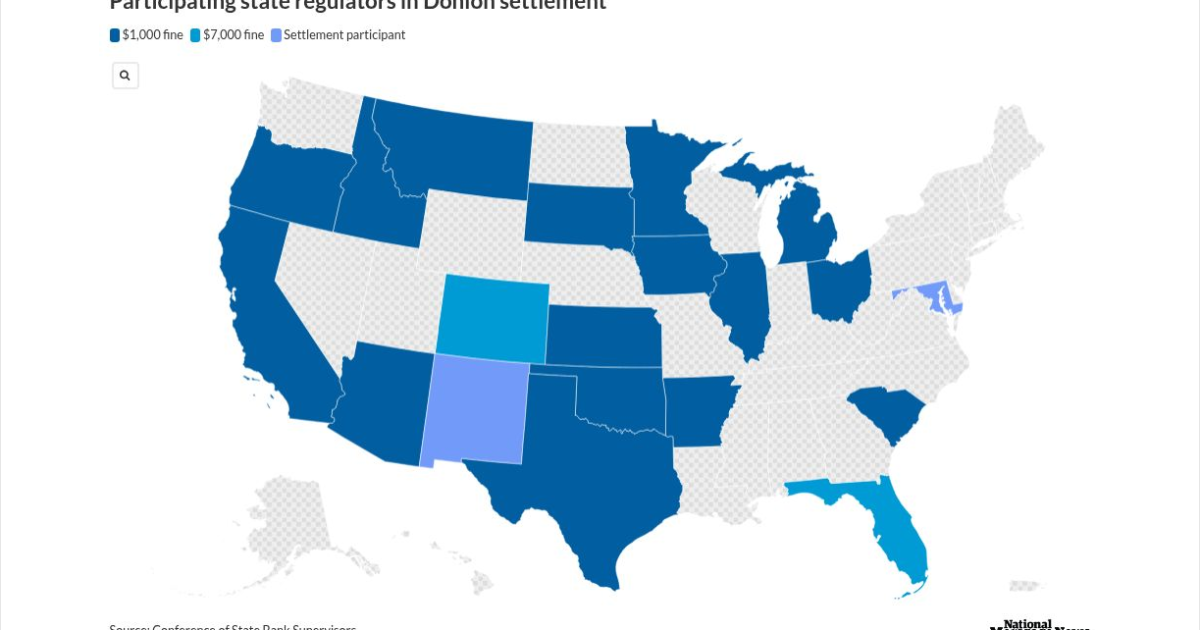
A multistate crackdown has sent shockwaves through the mortgage industry as Patrick Terrance Donlon, CEO of Trusted American Mortgage, accepted a sweeping settlement that bans him from working as a mortgage loan originator in 21 states—19 of them permanently. Regulators say Donlon had another individual complete his mandatory licensing and continuing‑education courses, a violation that triggered a coordinated investigation and a $31,000 penalty. The case underscores regulators’ growing intolerance for education fraud and serves as a sharp reminder to industry professionals: cutting corners on licensing can end careers.
Florida’s once‑booming housing market is cooling fast as rising insurance premiums, increasing foreclosures, and expanding flood zones push buyers to back out of deals and force sellers to cut prices. With insurance now adding thousands to annual housing costs, professionals across real estate, mortgage, and insurance are navigating a dramatically shifting landscape that’s redefining affordability in the Sunshine State.
Florida begins 2026 with a wave of more than 250 new laws now in effect, impacting healthcare, insurance, real estate, and consumer protections statewide. From free breast cancer screenings for state employees to tighter pet insurance regulations, mandatory healthcare refund rules, enhanced animal‑cruelty penalties, and new condo‑management requirements, these updates carry major implications for professionals navigating Florida’s evolving regulatory landscape.
Florida’s barrier islands may offer postcard-perfect beaches and soaring real estate demand, but they’re also some of the most fragile and costly places to build in the United States. With 765,000 residents living on land that shifts, sinks, and takes the brunt of every major hurricane, the financial and insurance risks are accelerating fast. From billion‑dollar beach rebuilds to towers settling into the sand, today’s coastal development challenges are reshaping conversations around property values, disclosure, and long‑term resilience. For real estate professionals, understanding these risks isn’t just smart — it’s becoming essential.
A Cedar City development is turning heads with its fresh approach to affordability. The team behind Temple View Commons is delivering luxury‑inspired twin homes at prices below the local median by using a small, hands‑on staff and cutting traditional costs like realtor commissions. In a tight Utah housing market where inventory is scarce and prices remain high, their strategy offers a realistic path to homeownership without sacrificing high‑end finishes.


 Title Insurance Leaders Double Down on Tech and Efficiency to Drive 2026 Market Momentum Gallery