Your Weekly CRE Pulse: Shutdown Shockwaves, Office Edges of Recovery, and America’s New STEM Powerhouses
The commercial real estate world hasn’t slowed down for a moment—and for professionals across real estate, mortgage, appraisal, and finance, staying plugged into the latest shifts is essential. This week’s roundup blends economic ripples from the federal shutdown, evolving office market realities, fresh insights from Altus Group’s Q3 research, and a national look at the markets being reshaped by STEM‑fueled demand.
Brought to you by the research team at Altus Group, here’s your curated, coffee‑ready breakdown. And if you’re building or upgrading your career in real estate, mortgage, or another licensed profession, Cameron Academy is here to help you earn your credentials with ease and confidence.
Shutdown Aftershocks Hit CRE Hard
The commercial real estate industry is still digging out from the 43‑day federal shutdown—and the backlog is unlike anything the sector has seen before. Bisnow reports that the shutdown cost the U.S. economy roughly $11 billion in lost GDP, with affordable housing developers facing frozen HUD loan processing and delayed voucher approvals. Hospitality wasn’t spared either: hotel operators reported $1.2B in lost revenue.
With another potential shutdown looming early next year and financing costs still rising, CRE leaders are racing to close deals quickly.
Read the full Bisnow report.
Chicago’s Loop Sees Values Slip 7.2%
Chicago’s iconic Loop is facing declining commercial property values—down 7.2% in just one year—paired with rising vacancies. Bloomberg highlights that shifting tax burdens forced Chicago homeowners to shoulder an additional $469.4 million in taxes.
Underfunded pensions and weakening commercial valuations are driving the trend.
Explore the data.
Ackman: “Now Isn’t the Time to Sell Fannie and Freddie”
Hedge fund billionaire Bill Ackman is urging caution as the federal government considers selling its stakes in Fannie Mae and Freddie Mac. Bloomberg reports Ackman’s stance: major steps—including exercising government warrants and relisting the GSEs on the NYSE—must come first.
While the Trump administration is eyeing a public offering as early as late 2025, many experts say the timeline is far too ambitious.
Full story here.
STEM Cities Are Supercharging CRE Demand
RCLCO’s latest STEM Job Growth Index confirms what many CRE analysts suspected: STEM hubs are setting the pace for future demand. Austin once again leads the nation, followed by Seattle, Raleigh, Denver, and Boston—with Dallas and Charlotte newly entering the top 10.
STEM employment has grown at twice the pace of non‑STEM jobs since 2019, boosting demand for office, lab, and R&D spaces.
View the report.
Office Recovery: A Tale of Two Realities
The Wall Street Journal reports that while a handful of districts in places like New York and San Francisco show true signs of recovery, most U.S. office markets remain stuck. Remote and hybrid work continue reshaping demand—breaking the traditional link between job growth and leasing activity.
With rising CMBS delinquencies and more properties being surrendered to lenders, the market remains fragmented yet full of opportunity, especially with conversion projects gaining momentum.
Read the article.
Altus Insights: Q3 2025 CRE Signals Show Momentum
Altus Group’s newly released Q3 2025 Investment and Transactions Quarterly provides a data-rich snapshot of a market quietly building momentum:
45,893 non-distressed property transactions Up 12.6% quarter‑over‑quarter and 6.8% year‑over‑year
$150.6B in total transaction volume Up 23.7% QoQ and 25.1% YoY
Median price per square foot Up 2.9% QoQ and 14.2% YoY
Top performing sectors:
Hospitality (+4.3% QoQ), Multifamily (+3.5% QoQ), Automotive (+19.4% YoY), Other industrial (+18.1% YoY)
Or listen to the Altus CRE Exchange podcast exploring whether this quarter marks the beginning of a CRE turnaround:
Listen here.
Looking Ahead
The commercial real estate landscape continues evolving—from shutdown-driven backlogs to STEM-powered markets and a split office recovery. Whether you’re investing, developing, managing, or preparing for your next professional milestone, staying informed is your edge.
And if that next step includes earning or upgrading a real estate, mortgage, or professional license, Cameron Academy is ready with flexible formats, modern curriculum, and a mission to help you grow with confidence.
More Articles
Getting licensed or staying ahead in your career can be a journey—but it doesn’t have to be overwhelming. Grab your favorite coffee or tea, take a moment to relax, and browse through our articles. Whether you’re just starting out or renewing your expertise, we’ve got tips, insights, and advice to keep you moving forward. Here’s to your success—one sip and one step at a time!
Fintech has evolved from simple digital banking tools into a global force transforming how we pay, borrow, invest, and manage financial data. With AI, blockchain, and open banking leading the way, fintech is opening new opportunities for consumers, businesses, and professionals across real estate, mortgage, insurance, and finance.
After months of hesitation, the commercial real estate market showed a major resurgence in Q3 2025. Large single‑asset transactions over $10 million jumped to $76 billion — the strongest level since 2022 — signaling renewed liquidity and growing confidence among institutional buyers. While overall volumes remain below peak highs, rising deal counts, stabilizing prices, and increased activity across industrial, multifamily, office, and retail sectors point toward a market steadily moving back toward normalization.
California’s property insurance market didn’t collapse overnight—it unraveled over years of political delays, soaring wildfire losses, and mounting pressure on insurers and reinsurers. As major carriers pulled out and rate approvals stalled, millions of homeowners were left scrambling for coverage under an overwhelmed FAIR Plan. At the center of the controversy stands Insurance Commissioner Ricardo Lara, whose decisions, industry ties, and behind‑the‑scenes negotiations have drawn sharp criticism. The result is a destabilized market affecting homeowners, real estate professionals, lenders, and entire communities—and the question of whether current reforms can truly fix what’s broken.
After a slow start to the year, commercial real estate showed a major resurgence in Q3 2025 as large single‑asset deals over $10 million surged past $76 billion in volume. With 1,826 major trades and the strongest growth rate in more than a decade, investor confidence appears to be returning across U.S. markets. While overall volumes still trail the record highs of 2021–2022, the renewed momentum in big‑ticket transactions points to improving liquidity, clearer pricing, and a potentially pivotal turning point for brokers, investors, and industry professionals.
California’s property insurance market has unraveled into one of the most expensive and consequential crises in U.S. history. Major carriers pulled back, wildfire risks soared, regulators stalled, and the state’s FAIR Plan exploded in size — leaving hundreds of thousands of homeowners without affordable coverage. Now, with victims underinsured, premiums surging, and a billion‑dollar bailout looming, the fallout is spilling beyond California. For real estate, mortgage, finance, and insurance professionals across the country, this is a warning of what happens when rising climate risks collide with outdated regulatory systems.
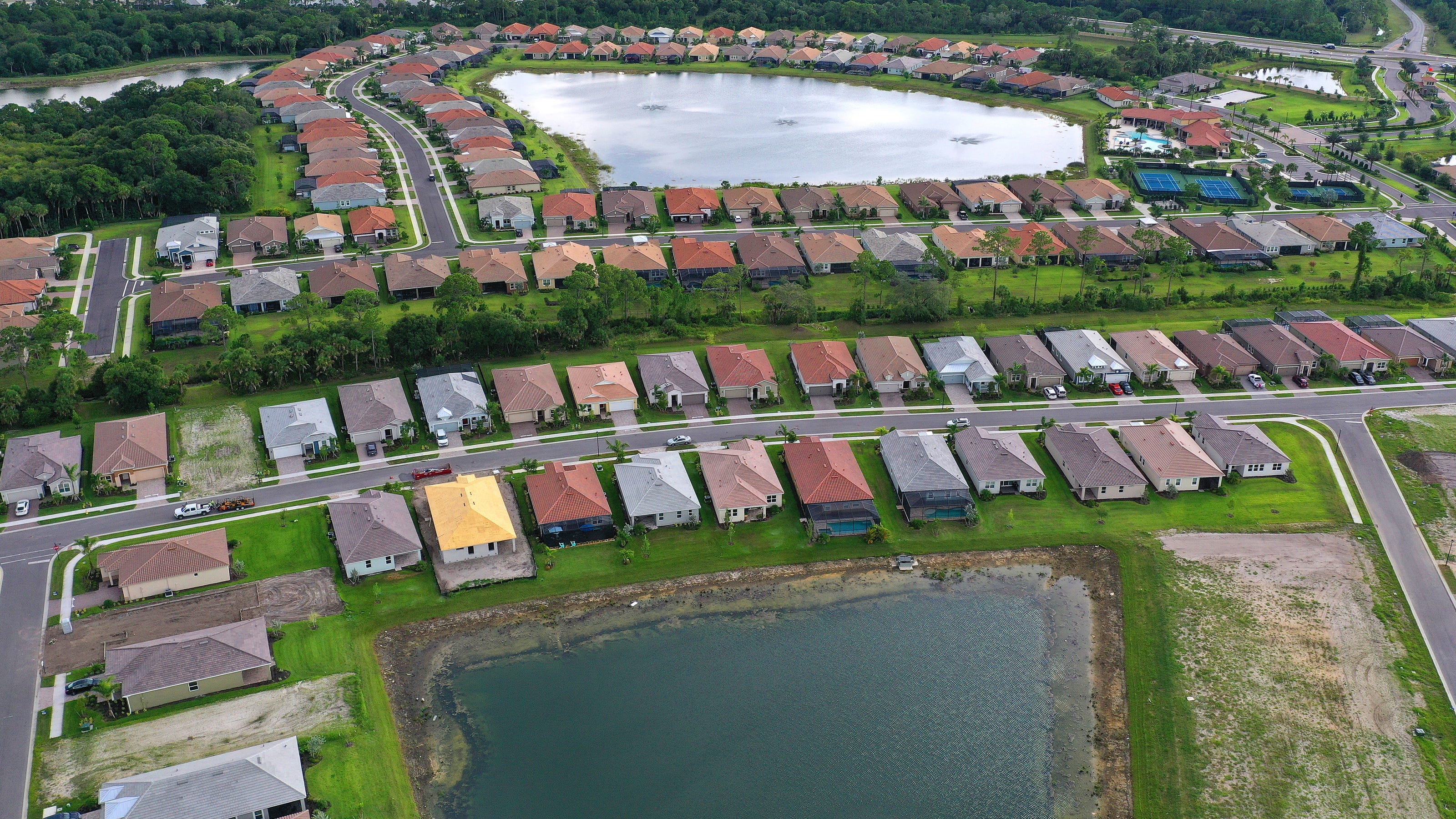
Sarasota County is on the brink of one of its largest modern expansions as the Winchester Ranch project moves closer to approval. Spanning more than 3,100 acres near North Port, the planned mega-development could bring up to 8,999 homes plus major commercial and industrial space. With construction projected to begin in 2027–2028, the community has sparked both excitement over new housing opportunities and concerns about environmental impact, placing it at the center of Florida’s ongoing growth debate.