The real estate world has officially stepped into its next evolution: the rise of the AI‑powered agent.
A groundbreaking report from HousingWire reveals how artificial intelligence shifted from novelty to daily essential for agents throughout 2025—almost overnight.
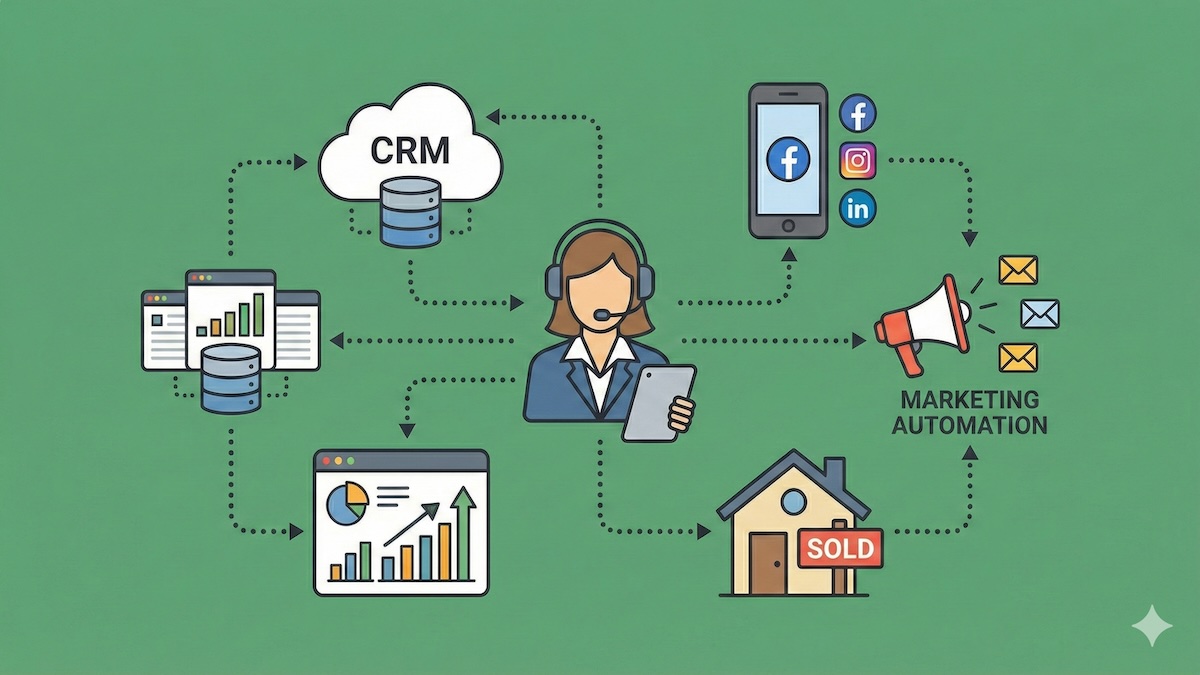
According to industry analysis by Rechat, brokerages across the nation spent the past year consolidating listings, CRMs, marketing tools, and analytics into unified AI‑enhanced platforms. The result? A smoother, faster, more tightly connected workflow—and a massive productivity lift for agents.
“After years of testing, the industry moved from experimenting with automation to operating with AI as an integral partner,” noted Rechat CEO Shayan Hamidi.
And the results have been nothing short of transformative.
Tasks that once took 10 hours now take 2 minutes.
Agents report up to 40% productivity growth.
Unified brokerages have doubled their marketing execution speed.
Efficiency Meets Personalization
Nearly half of surveyed agents now use AI daily—favoring tools that streamline workflows, ensure consistency, and support better decision‑making. By late 2025, nearly 70% had increased their marketing budgets, investing heavily in automation and analytics‑driven systems.
AI‑powered content engines allowed major brokerages like
SERHANT., Douglas Elliman, and 8z Real Estate to deliver highly personalized messaging at scale.
SERHANT. agents using Rechat reported a remarkable 32% increase in revenue.
Branding and design also surged in importance. Brokerages leaned on AI for layout optimization, compliance checks, and high-speed, high-quality content creation—giving teams a polished, unmistakable edge.
In 2025, 90% of AI investment centered on:
• Efficiency
• Insights
• Personalization
What’s Coming in 2026?
If 2025 was the year of automation, then 2026 will be the year of prediction.
The industry is transitioning from responding to market movement to anticipating it.
Rechat’s report forecasts a rise in AI dashboards that recommend next‑best actions, identify high‑value opportunities, and automatically tailor content based on user engagement.
By the end of 2026, top-performing agents are expected to operate almost entirely within these AI‑integrated ecosystems.
What This Means for Your Career
For both new and seasoned real estate professionals—especially in fast-paced markets like Florida—AI isn’t replacing agents. It’s elevating those who embrace it. Staying competitive now means staying sharp, informed, and technologically fluent.
At Cameron Academy, we’re committed to preparing professionals to excel in an AI‑enhanced future. Whether you’re earning your real estate license or advancing your CE, mastering the technologies shaping tomorrow’s marketplace has never mattered more.
More Articles
Getting licensed or staying ahead in your career can be a journey—but it doesn’t have to be overwhelming. Grab your favorite coffee or tea, take a moment to relax, and browse through our articles. Whether you’re just starting out or renewing your expertise, we’ve got tips, insights, and advice to keep you moving forward. Here’s to your success—one sip and one step at a time!
Lower interest rates, improving buyer confidence, and a resilient job market are setting the stage for a stronger South Florida real estate landscape in 2026. After a steadier‑than‑expected 2025, single‑family homes remain competitive, condos are stabilizing despite regulatory pressures, and commercial real estate continues to outperform national trends — giving industry professionals plenty to watch in the year ahead.
Economists across the housing industry are signaling that 2026 may finally bring a true market rebalance. With mortgage rates expected to ease, inventory slowly expanding and affordability showing its first real improvement in years, home sales could climb by 14% nationwide. Prices are projected to rise only modestly, builders are ramping up cautiously and shifting demographics are reshaping who’s buying—and what they’re looking for. For real estate and finance professionals, this more active and balanced landscape sets the stage for a strong year of opportunity.
South Florida enters 2026 with renewed confidence as easing mortgage rates, a solid job market, and stabilizing housing trends breathe life back into both single‑family and condo sectors. After an uneven 2025 marked by high costs and condo‑related challenges, lower borrowing rates are drawing buyers back, encouraging more homeowners to list, and positioning the region for a more balanced — though still competitive — year ahead.
The U.S. real estate landscape is entering a defining year, driven by AI innovation, reimagined office spaces, immersive retail, and resilient industrial growth. Investors are becoming more selective, while ESG expectations are solidifying into essential standards for value and tenant demand. For professionals looking to stay competitive in 2026, understanding these shifts—and upskilling accordingly—will be key to navigating an industry rapidly transforming in real time.
Conforming mortgage credit has dropped to its lowest level since the MBA began tracking it in 2011, signaling a major tightening in loan options as 2026 begins. December’s Mortgage Credit Availability Index fell 2.6%, driven by shrinking ARM offerings, fewer cash‑out refi programs, and stricter documentation requirements. With conforming loans seeing the sharpest decline—down 3.8%—both buyers and mortgage professionals face a more challenging lending landscape that demands stronger financial profiles and up‑to‑date industry knowledge.
A new NAR outlook shows that first-time buyers may finally be gaining traction in 2026 as rising inventory, easing rates, and creative financing strategies open long-awaited pathways into homeownership. From ARMs and government-backed loans to family support, grants, and co-buying, younger buyers are finding new ways to “make the math work.” Builders are also stepping in with incentives and expanded townhome construction, signaling a slow but meaningful shift toward improved affordability.