The real estate world has officially stepped into its next evolution: the rise of the AI‑powered agent.
A groundbreaking report from HousingWire reveals how artificial intelligence shifted from novelty to daily essential for agents throughout 2025—almost overnight.
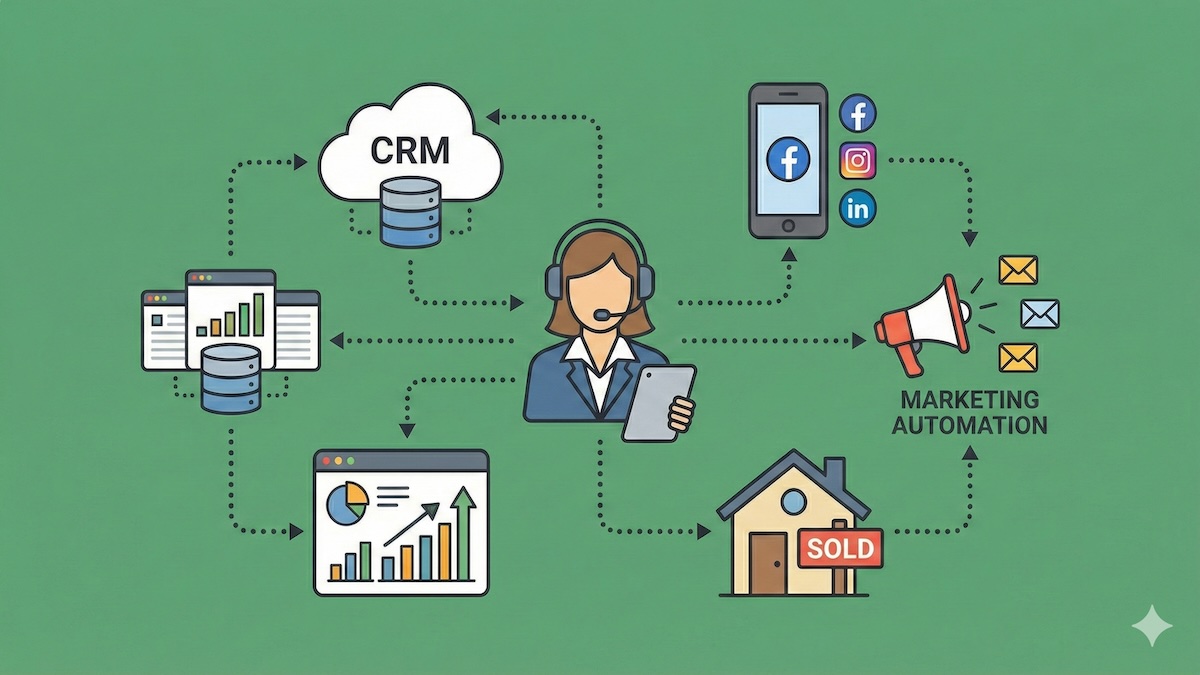
According to industry analysis by Rechat, brokerages across the nation spent the past year consolidating listings, CRMs, marketing tools, and analytics into unified AI‑enhanced platforms. The result? A smoother, faster, more tightly connected workflow—and a massive productivity lift for agents.
“After years of testing, the industry moved from experimenting with automation to operating with AI as an integral partner,” noted Rechat CEO Shayan Hamidi.
And the results have been nothing short of transformative.
Tasks that once took 10 hours now take 2 minutes.
Agents report up to 40% productivity growth.
Unified brokerages have doubled their marketing execution speed.
Efficiency Meets Personalization
Nearly half of surveyed agents now use AI daily—favoring tools that streamline workflows, ensure consistency, and support better decision‑making. By late 2025, nearly 70% had increased their marketing budgets, investing heavily in automation and analytics‑driven systems.
AI‑powered content engines allowed major brokerages like
SERHANT., Douglas Elliman, and 8z Real Estate to deliver highly personalized messaging at scale.
SERHANT. agents using Rechat reported a remarkable 32% increase in revenue.
Branding and design also surged in importance. Brokerages leaned on AI for layout optimization, compliance checks, and high-speed, high-quality content creation—giving teams a polished, unmistakable edge.
In 2025, 90% of AI investment centered on:
• Efficiency
• Insights
• Personalization
What’s Coming in 2026?
If 2025 was the year of automation, then 2026 will be the year of prediction.
The industry is transitioning from responding to market movement to anticipating it.
Rechat’s report forecasts a rise in AI dashboards that recommend next‑best actions, identify high‑value opportunities, and automatically tailor content based on user engagement.
By the end of 2026, top-performing agents are expected to operate almost entirely within these AI‑integrated ecosystems.
What This Means for Your Career
For both new and seasoned real estate professionals—especially in fast-paced markets like Florida—AI isn’t replacing agents. It’s elevating those who embrace it. Staying competitive now means staying sharp, informed, and technologically fluent.
At Cameron Academy, we’re committed to preparing professionals to excel in an AI‑enhanced future. Whether you’re earning your real estate license or advancing your CE, mastering the technologies shaping tomorrow’s marketplace has never mattered more.
More Articles
Getting licensed or staying ahead in your career can be a journey—but it doesn’t have to be overwhelming. Grab your favorite coffee or tea, take a moment to relax, and browse through our articles. Whether you’re just starting out or renewing your expertise, we’ve got tips, insights, and advice to keep you moving forward. Here’s to your success—one sip and one step at a time!
Artificial intelligence has shifted from a novelty to a defining force in real estate, transforming everything from listing creation to virtual staging while raising new legal and ethical risks. As AI adoption accelerates, experts warn that the agents who embrace automation and new tools now will gain a major competitive edge, while those who delay could fall behind in a rapidly evolving industry.
As AI and automation reshape the workforce, one form of career protection remains as powerful as ever: earning a state license. From real estate to trades to finance, licensed professionals stay in high demand because their work requires proven competence, accountability and human judgment—qualities technology can enhance but never replace. With trade enrollment surging, investor interest growing and licensing on the rise across the country, credentials have become a reliable path to stability, mobility and long-term earning potential.
A new wave of AI platforms is redefining how real estate agents identify buyer intent, spark conversations, and nurture relationships. From conversational home search engines to predictive opportunity alerts and relationship‑intelligence systems, these tools are helping agents connect sooner and smarter—reshaping daily workflows as the 2026 market approaches.
Texas money is riding hard into San Francisco, snapping up distressed downtown buildings at prices not seen in decades. From Union Square to California Street, major players like Lone Star Funds are betting big on the city’s rebound, signaling that the market may have finally hit bottom and that a new wave of opportunity is taking shape for savvy real estate professionals nationwide.
The 2025 holiday season is expected to break the $1 trillion sales mark, but economists say the milestone masks deeper consumer caution, income‑driven spending gaps, and weakening unit sales. Urban Land Magazine’s latest analysis shows how these mixed signals are shaping a selective, uneven landscape for U.S. commercial real estate heading into 2026—where strong locations thrive, weaker assets struggle, and affluent shoppers continue to dictate market performance.
As 2025 ends, the housing market is inching toward balance with slower price growth, rising inventory, and steadier mortgage rates. Experts predict modest 1% to 2% home‑price growth in 2026—not a crash, but a calmer, more predictable market shaped by regional differences. With the Fed easing rates and inventory climbing in key cities, 2026 may become the most buyer‑friendly year in recent memory, especially for those prepared to act when the right home appears.