The real estate world has officially stepped into its next evolution: the rise of the AI‑powered agent.
A groundbreaking report from HousingWire reveals how artificial intelligence shifted from novelty to daily essential for agents throughout 2025—almost overnight.
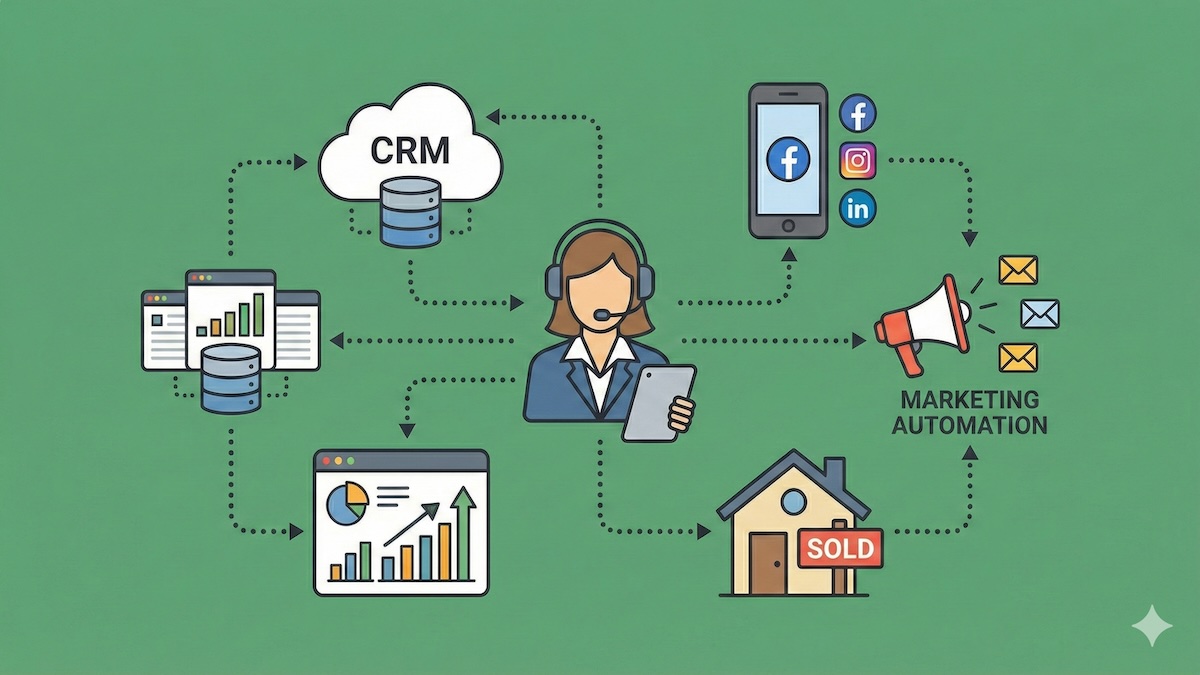
According to industry analysis by Rechat, brokerages across the nation spent the past year consolidating listings, CRMs, marketing tools, and analytics into unified AI‑enhanced platforms. The result? A smoother, faster, more tightly connected workflow—and a massive productivity lift for agents.
“After years of testing, the industry moved from experimenting with automation to operating with AI as an integral partner,” noted Rechat CEO Shayan Hamidi.
And the results have been nothing short of transformative.
Tasks that once took 10 hours now take 2 minutes.
Agents report up to 40% productivity growth.
Unified brokerages have doubled their marketing execution speed.
Efficiency Meets Personalization
Nearly half of surveyed agents now use AI daily—favoring tools that streamline workflows, ensure consistency, and support better decision‑making. By late 2025, nearly 70% had increased their marketing budgets, investing heavily in automation and analytics‑driven systems.
AI‑powered content engines allowed major brokerages like
SERHANT., Douglas Elliman, and 8z Real Estate to deliver highly personalized messaging at scale.
SERHANT. agents using Rechat reported a remarkable 32% increase in revenue.
Branding and design also surged in importance. Brokerages leaned on AI for layout optimization, compliance checks, and high-speed, high-quality content creation—giving teams a polished, unmistakable edge.
In 2025, 90% of AI investment centered on:
• Efficiency
• Insights
• Personalization
What’s Coming in 2026?
If 2025 was the year of automation, then 2026 will be the year of prediction.
The industry is transitioning from responding to market movement to anticipating it.
Rechat’s report forecasts a rise in AI dashboards that recommend next‑best actions, identify high‑value opportunities, and automatically tailor content based on user engagement.
By the end of 2026, top-performing agents are expected to operate almost entirely within these AI‑integrated ecosystems.
What This Means for Your Career
For both new and seasoned real estate professionals—especially in fast-paced markets like Florida—AI isn’t replacing agents. It’s elevating those who embrace it. Staying competitive now means staying sharp, informed, and technologically fluent.
At Cameron Academy, we’re committed to preparing professionals to excel in an AI‑enhanced future. Whether you’re earning your real estate license or advancing your CE, mastering the technologies shaping tomorrow’s marketplace has never mattered more.
More Articles
Getting licensed or staying ahead in your career can be a journey—but it doesn’t have to be overwhelming. Grab your favorite coffee or tea, take a moment to relax, and browse through our articles. Whether you’re just starting out or renewing your expertise, we’ve got tips, insights, and advice to keep you moving forward. Here’s to your success—one sip and one step at a time!
A federal judge has denied class‑certification in the high‑stakes Batton commission lawsuit, delivering a temporary win for NAR and major brokerages while leaving the door open for plaintiffs to try again. With as much as $3.6 billion in potential damages on the line and nearly 80% of the proposed class now disqualified due to conflicts with earlier settlements, the case stands at a pivotal moment. Real estate professionals nationwide — especially in Florida — should watch closely, as the ruling could shape the future of buyer‑agent compensation.
Florida homeowners are paying nearly double the national average for insurance, with premiums now reaching $5,838 a year and denied claims topping 40 percent. Residents report tripled rates, underpaid claims, and mounting financial strain, pushing lawmakers in Tallahassee to propose caps on rate hikes, tax breaks for storm‑proof upgrades, and tighter oversight of insurers. These developments are reshaping real estate and insurance conversations across the state as professionals brace for major industry shifts.
Berkshire County closed Q3 2025 with strong momentum as sales, dollar volume, and buyer competition all climbed year‑over‑year. Inventory showed slight improvement but remains far below demand, keeping the market tilted toward sellers. Single‑family homes and condos led the surge, while multifamily, land, and commercial sectors showed mixed performance. The region continues to stand out as one of New England’s most resilient real estate markets heading into 2026.
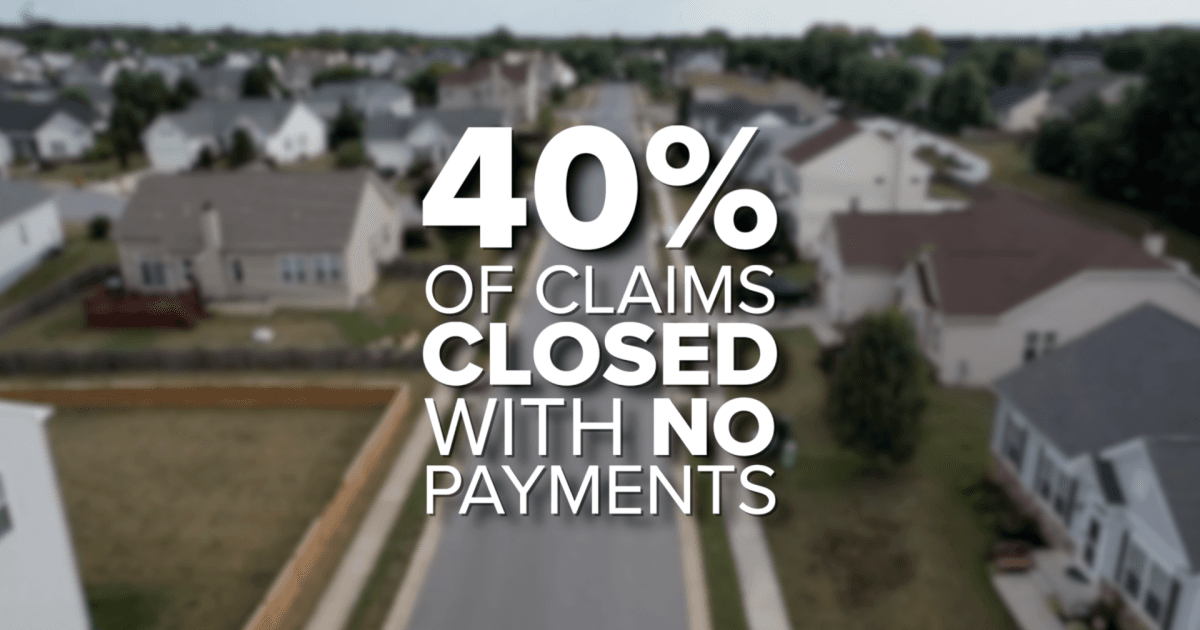
Florida homeowners now face the highest insurance burdens in the nation, with average premiums topping $5,800 per year—roughly $3,000 above the national average. As rates triple for some residents, more Floridians are skipping coverage altogether, while denied claims and slow payouts add to the frustration. With over 40 percent of claims closing with no payment and lawmakers battling over reform in Tallahassee, the crisis is reshaping budgets, homebuying decisions, and the real estate industry statewide.
Global capital is surging back into real estate—and this time, investors want more control. Colliers’ 2026 Global Investor Outlook reveals a major shift toward direct investments, joint ventures, and hands‑on strategies as money moves across North America, Europe, and the booming Asia‑Pacific markets. Data centers are now the top‑funded asset class, offices are staging a comeback, and adaptive reuse is reshaping cities worldwide. For real estate and finance professionals, the message is clear: opportunity is accelerating, and those with the right education and licensing will be at the center of the action.
The Fed’s recent rate cuts should have offered relief to commercial real estate—but long-term borrowing costs haven’t budged. While short‑term rates are falling, stubborn long‑term yields, broken deal math, and a trillion‑dollar refinancing wave are keeping the market frozen. For investors and professionals across Florida and the nation, understanding this disconnect is key to navigating the opportunities and risks emerging in today’s shifting CRE landscape.