The real estate world has officially stepped into its next evolution: the rise of the AI‑powered agent.
A groundbreaking report from HousingWire reveals how artificial intelligence shifted from novelty to daily essential for agents throughout 2025—almost overnight.
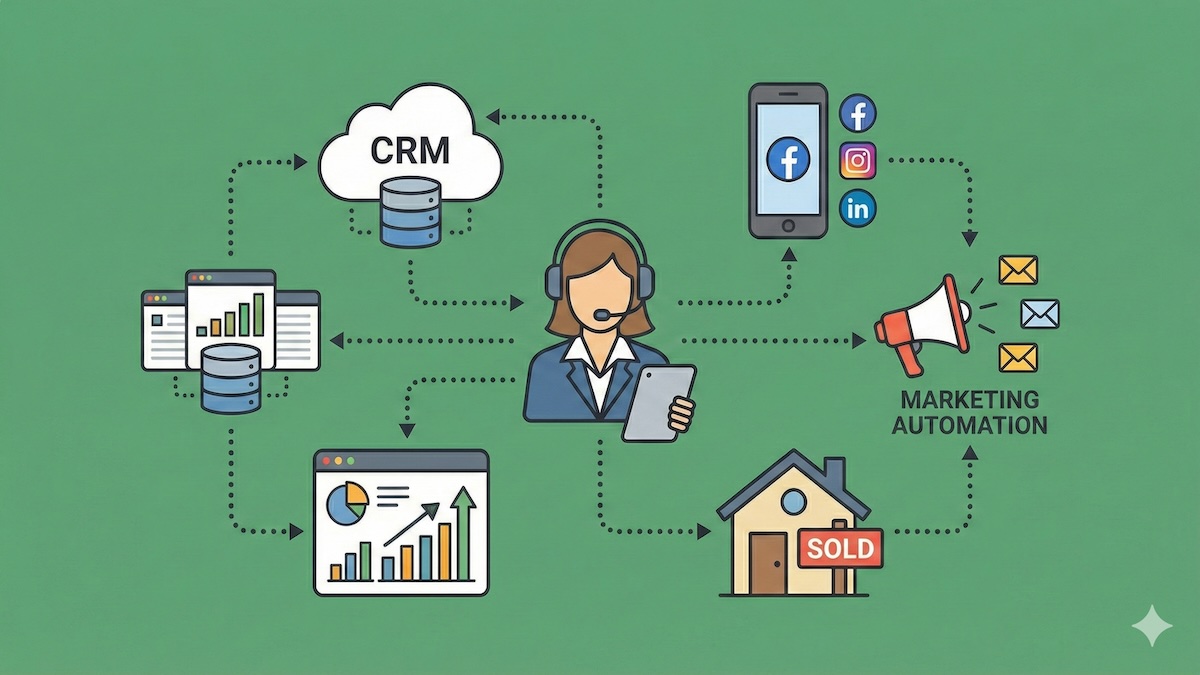
According to industry analysis by Rechat, brokerages across the nation spent the past year consolidating listings, CRMs, marketing tools, and analytics into unified AI‑enhanced platforms. The result? A smoother, faster, more tightly connected workflow—and a massive productivity lift for agents.
“After years of testing, the industry moved from experimenting with automation to operating with AI as an integral partner,” noted Rechat CEO Shayan Hamidi.
And the results have been nothing short of transformative.
Tasks that once took 10 hours now take 2 minutes.
Agents report up to 40% productivity growth.
Unified brokerages have doubled their marketing execution speed.
Efficiency Meets Personalization
Nearly half of surveyed agents now use AI daily—favoring tools that streamline workflows, ensure consistency, and support better decision‑making. By late 2025, nearly 70% had increased their marketing budgets, investing heavily in automation and analytics‑driven systems.
AI‑powered content engines allowed major brokerages like
SERHANT., Douglas Elliman, and 8z Real Estate to deliver highly personalized messaging at scale.
SERHANT. agents using Rechat reported a remarkable 32% increase in revenue.
Branding and design also surged in importance. Brokerages leaned on AI for layout optimization, compliance checks, and high-speed, high-quality content creation—giving teams a polished, unmistakable edge.
In 2025, 90% of AI investment centered on:
• Efficiency
• Insights
• Personalization
What’s Coming in 2026?
If 2025 was the year of automation, then 2026 will be the year of prediction.
The industry is transitioning from responding to market movement to anticipating it.
Rechat’s report forecasts a rise in AI dashboards that recommend next‑best actions, identify high‑value opportunities, and automatically tailor content based on user engagement.
By the end of 2026, top-performing agents are expected to operate almost entirely within these AI‑integrated ecosystems.
What This Means for Your Career
For both new and seasoned real estate professionals—especially in fast-paced markets like Florida—AI isn’t replacing agents. It’s elevating those who embrace it. Staying competitive now means staying sharp, informed, and technologically fluent.
At Cameron Academy, we’re committed to preparing professionals to excel in an AI‑enhanced future. Whether you’re earning your real estate license or advancing your CE, mastering the technologies shaping tomorrow’s marketplace has never mattered more.
More Articles
Getting licensed or staying ahead in your career can be a journey—but it doesn’t have to be overwhelming. Grab your favorite coffee or tea, take a moment to relax, and browse through our articles. Whether you’re just starting out or renewing your expertise, we’ve got tips, insights, and advice to keep you moving forward. Here’s to your success—one sip and one step at a time!
Skyrocketing insurance premiums and soaring rebuilding costs are transforming communities across Southwest Florida, especially in the wake of Hurricane Ian. As longtime residents struggle to keep up with rising financial pressure, wealthier newcomers and stricter building standards are reshaping the identity of places like Fort Myers Beach. With insurance rates now driving home sales, triggering potential foreclosures, and squeezing both owners and renters, Florida’s middle-class families face a growing question: can they afford to stay in the state they love?
Florida’s insurance industry is stabilizing fast, with nearly 1.6 million policies shifting from Citizens to private insurers and litigation dropping sharply. Regulators report stronger market confidence, decreasing premiums, and renewed competition—signaling one of the healthiest periods the state has seen in years.
A Leon County judge has ordered the restart of arbitration for Citizens Property Insurance claims, directly conflicting with a previous ruling that halted the process as potentially unconstitutional. With more than 400 cases now back in motion, real estate, insurance, and mortgage professionals can expect renewed activity in claim disputes and fresh uncertainty as Florida courts clash over the legality of Citizens’ arbitration system.
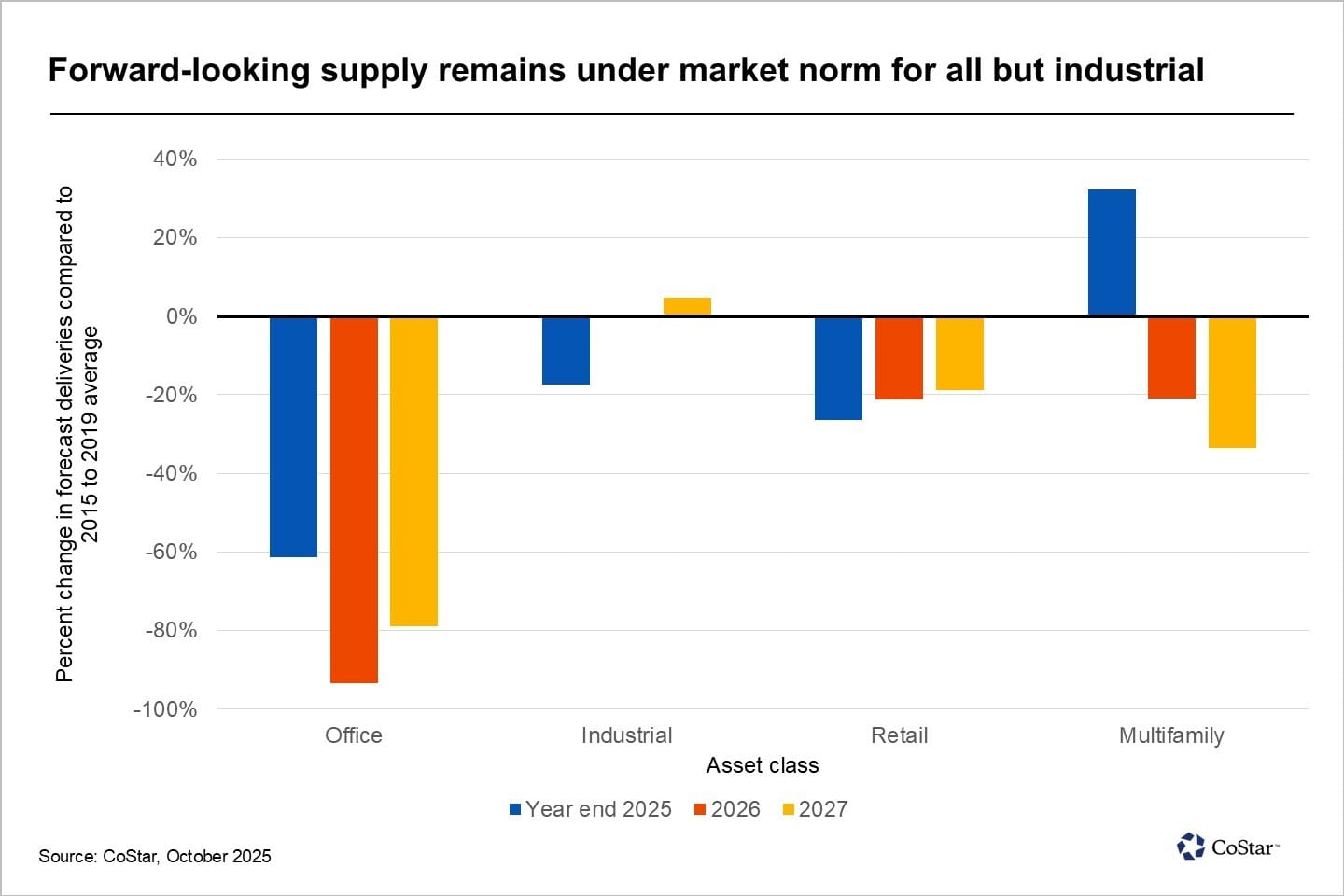
The DFW market is transitioning into a new construction phase marked by a slowdown in office development, a more selective approach to industrial projects, and an evolving housing landscape shaped by affordability and population growth. Developers are recalibrating their priorities, and for real estate professionals, understanding these shifts offers a critical edge in navigating—and capitalizing on—the next phase of the metroplex’s growth.
A new federal lawsuit claims Zillow pushed homebuyers toward Zillow Home Loans by rewarding affiliated agents with valuable leads — all without proper disclosure. The suit alleges undisclosed incentives, referral quotas, and potential RESPA violations, raising major concerns about steering, fiduciary duties, and Zillow’s expanding mortgage ambitions.
The mortgage industry is evolving fast, and the lenders who come out on top will be those who innovate without uprooting what already works. By building on strong technology foundations, streamlining workflows and adopting smart automation, lenders can reduce costs, improve customer experience and stay resilient in any market cycle. This article breaks down why innovation matters now, how a stable tech ecosystem protects lenders in volatile conditions and why small, strategic steps can drive long-term transformation.