What the CFPB’s Disparate Impact Proposal Could Mean for Lenders — and Why Real Estate Pros Should Pay Attention
The Consumer Financial Protection Bureau has once again positioned itself at the center of the credit and lending universe. With a proposed rule update to the Equal Credit Opportunity Act (ECOA), the CFPB is signaling a potential shift in how lenders — especially mortgage lenders — evaluate applications and manage risk. While the official article from Law360 Real Estate Authority, authored by Tom Laser, Francis Riley, and Jason McElroy, sits behind a subscriber wall, the implications stretch across the entire real estate and finance ecosystem.
The Core Idea: Reducing Emphasis on Protected Characteristics
According to the summary, the CFPB’s proposed changes may reduce the weight placed on protected characteristics when assessing whether a credit decision creates a “disparate impact.” In simple terms, the agency appears interested in tightening how lenders justify decisions that disproportionately affect certain groups — even unintentionally.
For lenders, mortgage brokers, and compliance teams, this could mean a shift toward cleaner, more defensible decision‑making models. For real estate professionals, it means your buyers’ lending experiences might soon operate under stricter fairness guidelines.
Why This Matters for the Real Estate and Mortgage World
Real estate professionals may not always see the inner workings of a lender’s underwriting algorithms, but those algorithms influence every deal. A change in how “fairness” is evaluated can create ripple effects such as:
• Adjustments in automated underwriting systems
• Revised lending criteria that affect borderline applicants
• Additional compliance training for mortgage and finance professionals
• More detailed documentation requirements to justify credit decisions
These shifts could affect approval timelines, buyer qualifications, and even which communities see increased loan activity — all major factors in day‑to‑day real estate operations.
Staying Ahead of Compliance — Professionally and Legally
When federal regulators adjust their interpretation of lending law, smart professionals respond early. That’s why institutions like Cameron Academy provide up‑to‑date courses for mortgage loan originators, real estate agents, insurance professionals, and licensed experts across all 50 states. Regulatory shifts like this aren’t just updates — they’re signals to stay prepared, informed, and competitive.
Read the Full Article on Law360
Curious about the full legal analysis? Law360 Real Estate Authority offers the complete breakdown from the attorneys at Saul Ewing.
Want the original source? Try their seven‑day free trial or log in if you’re already a subscriber.
As the industry braces for potential change, understanding the forces shaping lending fairness is more than just compliance — it’s part of becoming the trusted professional clients rely on.
More Articles
Getting licensed or staying ahead in your career can be a journey—but it doesn’t have to be overwhelming. Grab your favorite coffee or tea, take a moment to relax, and browse through our articles. Whether you’re just starting out or renewing your expertise, we’ve got tips, insights, and advice to keep you moving forward. Here’s to your success—one sip and one step at a time!
Newman Properties, a Massachusetts-based investment firm, has expanded its footprint into Connecticut with the $3.65 million acquisition of a 6,350‑square‑foot retail building in Enfield. Anchored by national restaurant chain Red Robin, the property offers the type of stable tenancy investors seek when entering new markets. The deal underscores growing confidence in anchored retail assets and provides a valuable real-world example for real estate professionals studying market analysis, investment strategy, and portfolio expansion.
JPMorgan now expects national home prices to flatten in 2026, but the Sunbelt is telling a very different story. Florida home values are down 5.1%, Texas is down 2.4%, and analysts warn that years of rapid building are finally catching up to the region. As demand stabilizes and inventory swells, real estate professionals — especially in Florida — face a market full of challenges, opportunities, and critical timing decisions.
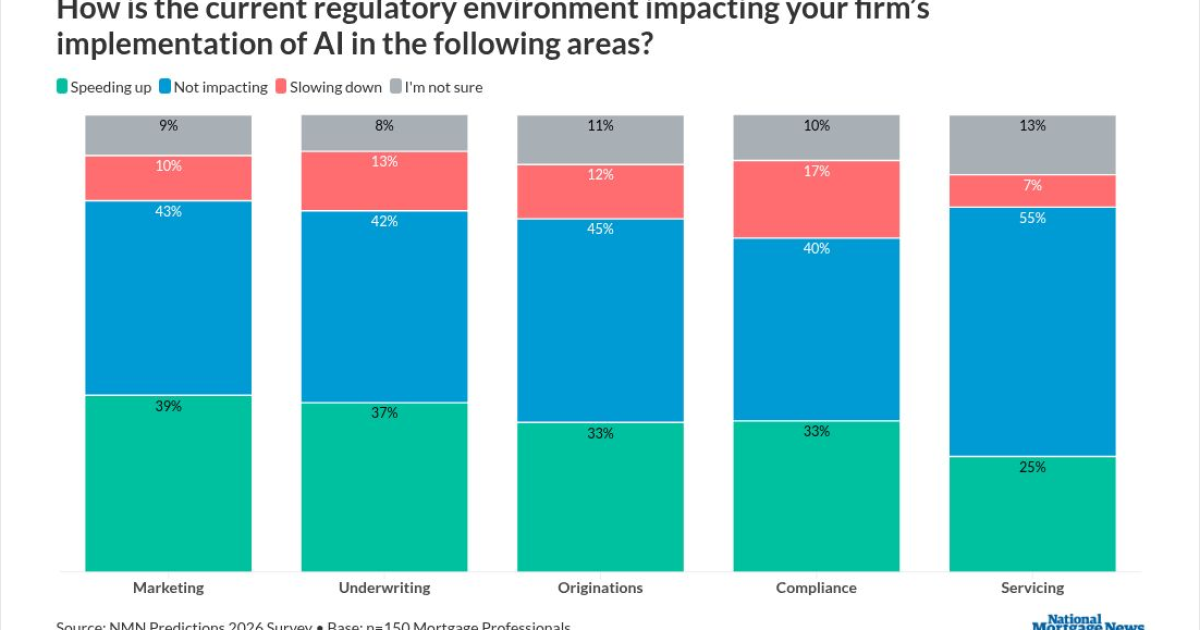
Artificial intelligence is finally stepping into the mortgage underwriting spotlight, with 57% of mortgage professionals predicting it will drive the most transformative industry shift in 2026. Thanks to major advancements in language models and workflow automation, AI is now capable of navigating the messy, document-heavy realities that have long slowed underwriting. From faster preapprovals to improved credit analysis and real‑time income verification, AI is streamlining processes while allowing underwriters to focus on true risk management. As regulatory winds shift and grassroots pressure builds within lending teams, the industry is entering a pivotal era where AI‑powered underwriting becomes not just an advantage — but an expectation.
Portland’s top 20 office towers have lost an unprecedented 70% of their value since 2019—plunging from $3 billion to under $1 billion—triggering tax revenue shortfalls, budget crises, and a surge in appeals as the city grapples with its biggest commercial real estate reset in modern history.
South Florida’s luxury real estate market just raised the bar again — this time with a $1 million virtual reality system that lets buyers walk through Dolce & Gabbana’s upcoming Miami tower long before construction wraps. Real estate master’s students were given an immersive look inside the project, discovering how VR is transforming high‑end development, influencing buyer psychology, and shaping the future skills today’s professionals need.
Long Island’s commercial real estate scene is kicking off 2026 with a surge of activity—industrial leases in Medford, neighborhood retail trades in Bohemia, Pizza Hut’s new DELCO expansion in Centereach, mixed‑use acquisitions in Melville, and major investor interest in bank‑leased and franchise-backed properties. From warehouses to restaurant rebrands, these deals highlight a region evolving fast and offering fresh opportunities for agents, investors, and professionals looking to stay ahead in the market.