What the CFPB’s Disparate Impact Proposal Could Mean for Lenders — and Why Real Estate Pros Should Pay Attention
The Consumer Financial Protection Bureau has once again positioned itself at the center of the credit and lending universe. With a proposed rule update to the Equal Credit Opportunity Act (ECOA), the CFPB is signaling a potential shift in how lenders — especially mortgage lenders — evaluate applications and manage risk. While the official article from Law360 Real Estate Authority, authored by Tom Laser, Francis Riley, and Jason McElroy, sits behind a subscriber wall, the implications stretch across the entire real estate and finance ecosystem.
The Core Idea: Reducing Emphasis on Protected Characteristics
According to the summary, the CFPB’s proposed changes may reduce the weight placed on protected characteristics when assessing whether a credit decision creates a “disparate impact.” In simple terms, the agency appears interested in tightening how lenders justify decisions that disproportionately affect certain groups — even unintentionally.
For lenders, mortgage brokers, and compliance teams, this could mean a shift toward cleaner, more defensible decision‑making models. For real estate professionals, it means your buyers’ lending experiences might soon operate under stricter fairness guidelines.
Why This Matters for the Real Estate and Mortgage World
Real estate professionals may not always see the inner workings of a lender’s underwriting algorithms, but those algorithms influence every deal. A change in how “fairness” is evaluated can create ripple effects such as:
• Adjustments in automated underwriting systems
• Revised lending criteria that affect borderline applicants
• Additional compliance training for mortgage and finance professionals
• More detailed documentation requirements to justify credit decisions
These shifts could affect approval timelines, buyer qualifications, and even which communities see increased loan activity — all major factors in day‑to‑day real estate operations.
Staying Ahead of Compliance — Professionally and Legally
When federal regulators adjust their interpretation of lending law, smart professionals respond early. That’s why institutions like Cameron Academy provide up‑to‑date courses for mortgage loan originators, real estate agents, insurance professionals, and licensed experts across all 50 states. Regulatory shifts like this aren’t just updates — they’re signals to stay prepared, informed, and competitive.
Read the Full Article on Law360
Curious about the full legal analysis? Law360 Real Estate Authority offers the complete breakdown from the attorneys at Saul Ewing.
Want the original source? Try their seven‑day free trial or log in if you’re already a subscriber.
As the industry braces for potential change, understanding the forces shaping lending fairness is more than just compliance — it’s part of becoming the trusted professional clients rely on.
More Articles
Getting licensed or staying ahead in your career can be a journey—but it doesn’t have to be overwhelming. Grab your favorite coffee or tea, take a moment to relax, and browse through our articles. Whether you’re just starting out or renewing your expertise, we’ve got tips, insights, and advice to keep you moving forward. Here’s to your success—one sip and one step at a time!
"AI and machine learning are emerging as powerful technologies to address this issue, improving the accuracy of medical diagnosis and revolutionizing healthcare with their myriad applications."
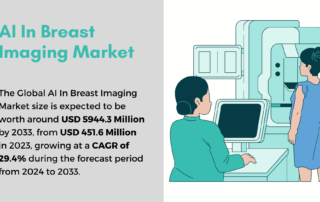
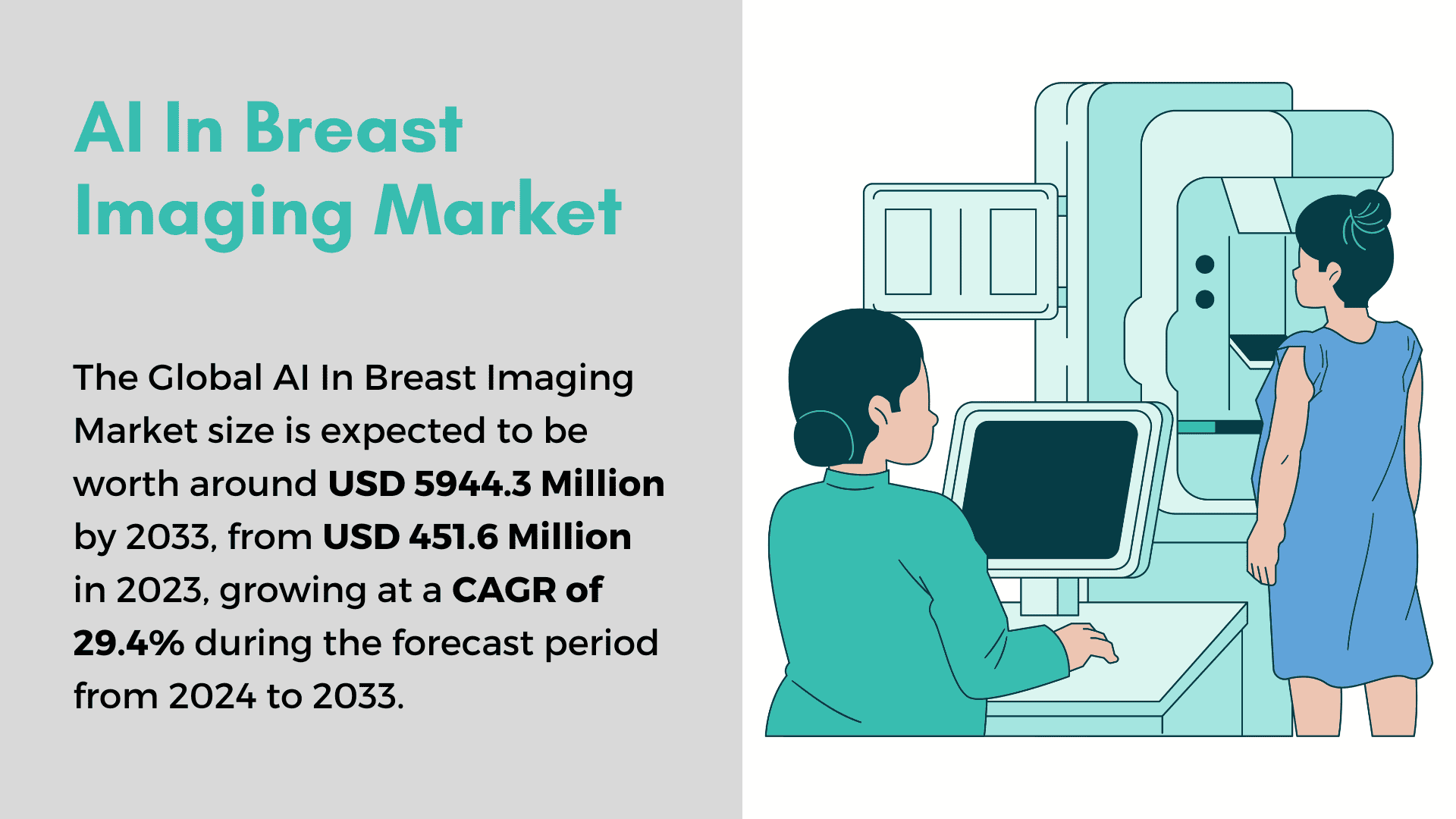
The global AI in breast imaging market is on a remarkable growth trajectory, projected to swell from USD 451.6 million in 2023 to an impressive USD 5944.3 million by 2033. This represents a compound annual growth rate (CAGR) of 29.4%, primarily driven by cutting-edge advancements in AI technologies that significantly enhance diagnostic accuracy, facilitate early detection, and boost healthcare efficiency.
Virtual real estate in metaverses is becoming a focal point for investors worldwide, with digital plots of land mirroring traditional real estate value based on location, size, and platform popularity.
Artificial intelligence (AI) and machine learning are at the forefront of revolutionizing in-vitro diagnostic (IVD) tools, redefining diagnostics and enhancing healthcare outcomes on multiple fronts.
As we edge closer to 2030, the life sciences industry stands on the threshold of transformative changes. With a global valuation exceeding $2 trillion, the sector is poised for significant growth, driven by technological advancements and an aging population.
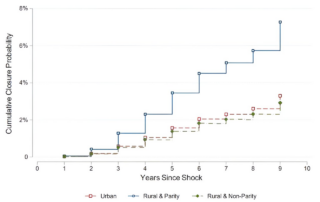
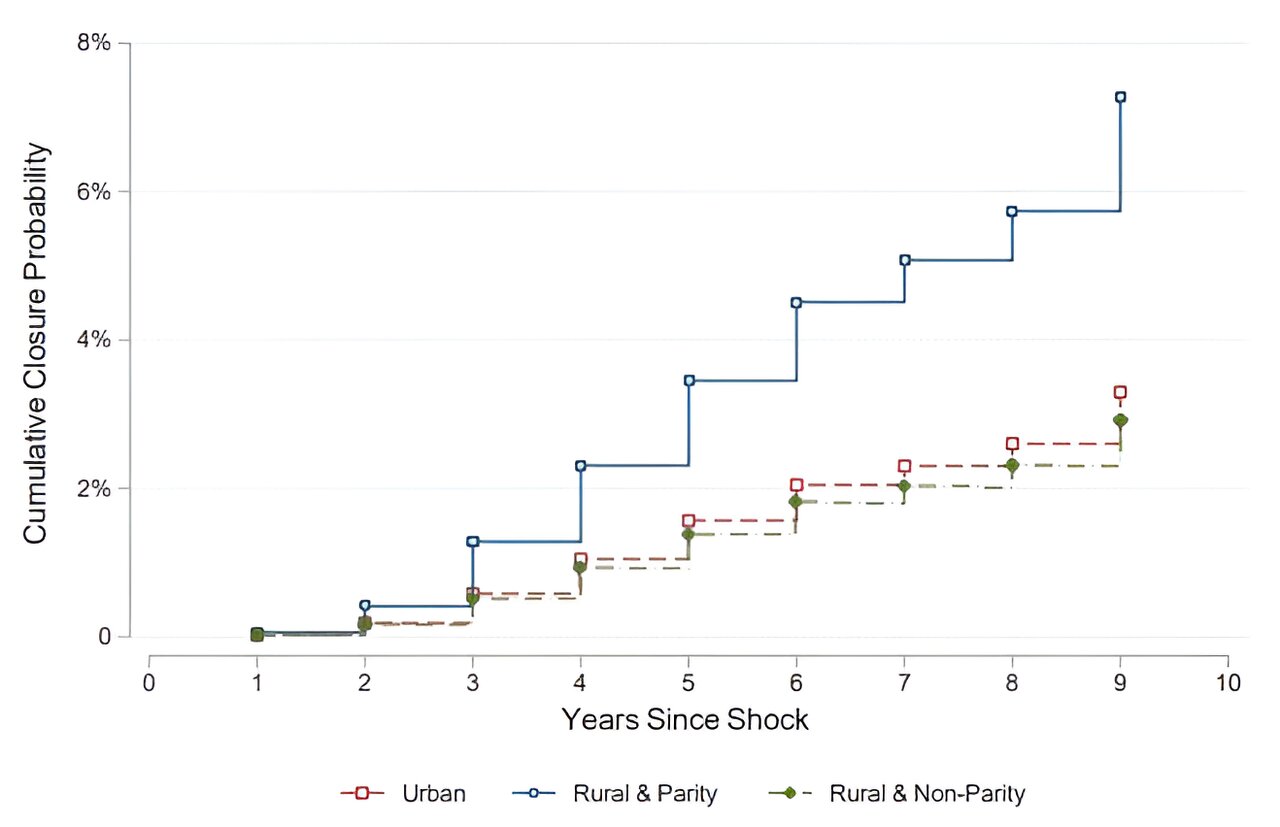
The advent of telehealth has revolutionized the way patients, particularly those in rural areas, access health care. By offering remote consultations and follow-up care, telehealth provides a convenient alternative to traveling long distances to urban hospitals. However, this technological advancement brings with it a set of challenges that could reshape the rural health care landscape.