When the Voice on the Line Isn’t Real: AI Fraud Hits Real Estate Finance Hard

Ai voice scam banner

Picture this: A commercial lender is closing a seemingly routine $4.2 million deal. The borrower’s attorney emails revised wiring instructions—nothing unusual. The message looks authentic. Minutes later, a call comes in. It’s the attorney again, calmly apologizing for the last‑minute update. Same voice, same cadence, even the familiar rasp.

The funds are wired. The deal appears done. By morning, the truth hits: the email was compromised, the call was a flawless AI‑generated voice clone, and the money is already scattered across international accounts—gone forever.

This real-world example, highlighted by Scotsman Guide, marks a turning point in real estate finance—where trust can now be digitally forged with frightening precision.

The Rise of the AI Fraud Economy

What once required teams of conspirators can now be executed by a single attacker with a budget under $100. Voice cloning needs only a few audio snippets. Email tone? Easily mimicked by language models. Fake documents? Generative AI now creates pay stubs, payoff letters, and bank statements sophisticated enough to fool trained professionals.

With real estate transactions involving multiple parties, tight deadlines, and large wire transfers, the industry has become a prime target for AI‑powered deception.

Efficiency Meets Vulnerability

AI has revolutionized operations—loan intake chatbots, underwriting summaries, appraisal image analysis, automated closing docs. But every tool adds a potential point of exploitation.

• AI platforms may store sensitive borrower info.
• Hidden prompts in PDFs can manipulate LLMs.
• Facial recognition can be fooled by perfect synthetic faces.

Regulators Are Paying Attention

Federal and state frameworks—GLBA, the FTC Safeguards Rule, SEC requirements, and Florida’s own Information Protection Act—are tightening rapidly. In Florida, online notaries, attorneys, and title agents face strict identity‑proofing standards.

Even non‑mandatory guidelines like ALTA Best Practices are becoming essential for establishing trust.

After the Fraud: The Questions No Lender Wants to Answer

After a breach, investigators ask:

• Were verification procedures properly followed?
• Were wire instructions confirmed independently?
• Is your AI usage secure, monitored, and documented?

These answers determine not only regulatory exposure—but whether cyber insurance will cover the loss.

Cyber Insurance: Optional No More

Today’s cyber policies extend far beyond basic breach coverage. The best policies for real estate professionals now include protections for social engineering, funds transfer fraud, and invoice manipulation—even when an employee is tricked into approving a transfer.

Many carriers also offer 24/7 access to incident response teams, recovery experts, and federal law‑enforcement channels—critical in the new age of AI‑enabled fraud.

So What Does This Mean for Real Estate Professionals?

The days of trusting a familiar voice are gone. Verification must be multilayered. Wire changes require independent confirmation. AI use must be governed and monitored. Strong cyber insurance is no longer optional—it’s essential.

For anyone building a career in real estate—especially in Florida—understanding these risks is becoming a core competency. At Cameron Academy, we’ve seen firsthand how technology and compliance reshape everything from licensing to closing workflows. Education today isn’t just about passing an exam—it’s about staying ahead of threats that didn’t exist a few years ago.

A Future Where Trust Must Be Verified

The $4.2 million loss isn’t just a dramatic anecdote—it’s a warning. In a world where AI can duplicate someone’s voice with near‑perfect realism, trust must be earned, confirmed, and technically validated.

The professionals who evolve with this technology will stand strongest. And when the next “familiar” voice calls—you’ll know exactly how to respond.

Source: Scotsman Guide
Author: Jeffrey Bernstein

More Articles

Getting licensed or staying ahead in your career can be a journey—but it doesn’t have to be overwhelming. Grab your favorite coffee or tea, take a moment to relax, and browse through our articles. Whether you’re just starting out or renewing your expertise, we’ve got tips, insights, and advice to keep you moving forward. Here’s to your success—one sip and one step at a time!

Why Today’s High Mortgage Rates Matter More Than Ever for the Housing Market

A growing share of American homeowners now carry mortgage rates above 5%—a dramatic shift that’s reshaping refinancing, inventory, and buyer behavior nationwide. With more than 30% of borrowers locked into rates over 5% and 20% above 6%, the market is split between owners holding on to low pandemic‑era loans and new buyers taking on higher‑rate mortgages. Federal efforts to push rates down could unlock millions of refinancing opportunities, while buyers see only modest monthly savings. For real estate professionals, understanding these rate dynamics is crucial as they increasingly drive inventory levels, affordability, and market activity.

CRE Deal Volume Dips in December, but Office Sector Stages an Unexpected Comeback

New Moody’s data shows commercial real estate deal volume slipped 20% in December, marking a second monthly decline. Yet the full year tells a different story: 2025 ended with a 17% gain, signaling a quiet but resilient recovery. The biggest surprise came from the office sector, which posted a 21% jump in activity as return‑to‑office trends and AI‑driven job growth boosted demand. Multifamily, retail, and alternative assets like data centers also saw strong momentum, giving real estate professionals a market full of fresh opportunities heading into 2026.

Florida Kicks Off 2026 With Major Auto Insurance Rate Cuts and Market Stability

Florida drivers and industry professionals are heading into 2026 with good news: auto insurance rates are dropping across the state as the market shows strong signs of stabilization. USAA leads the latest wave with a 7% average rate decrease expected in May 2026, saving members more than $125 million annually. They join several major insurers — including State Farm, Progressive, AAA, Allstate, and Florida Farm Bureau — all approving significant reductions. Officials credit recent legislative reforms, especially tort reform, for the improved loss ratios and renewed insurer confidence. With both auto and home insurance markets strengthening, Florida’s real estate, mortgage, and insurance professionals can expect more consumer confidence, smoother transactions, and expanding career opportunities.

The 2024 Housing Shortage: Why America Is Still 1.2 Million Homes Behind

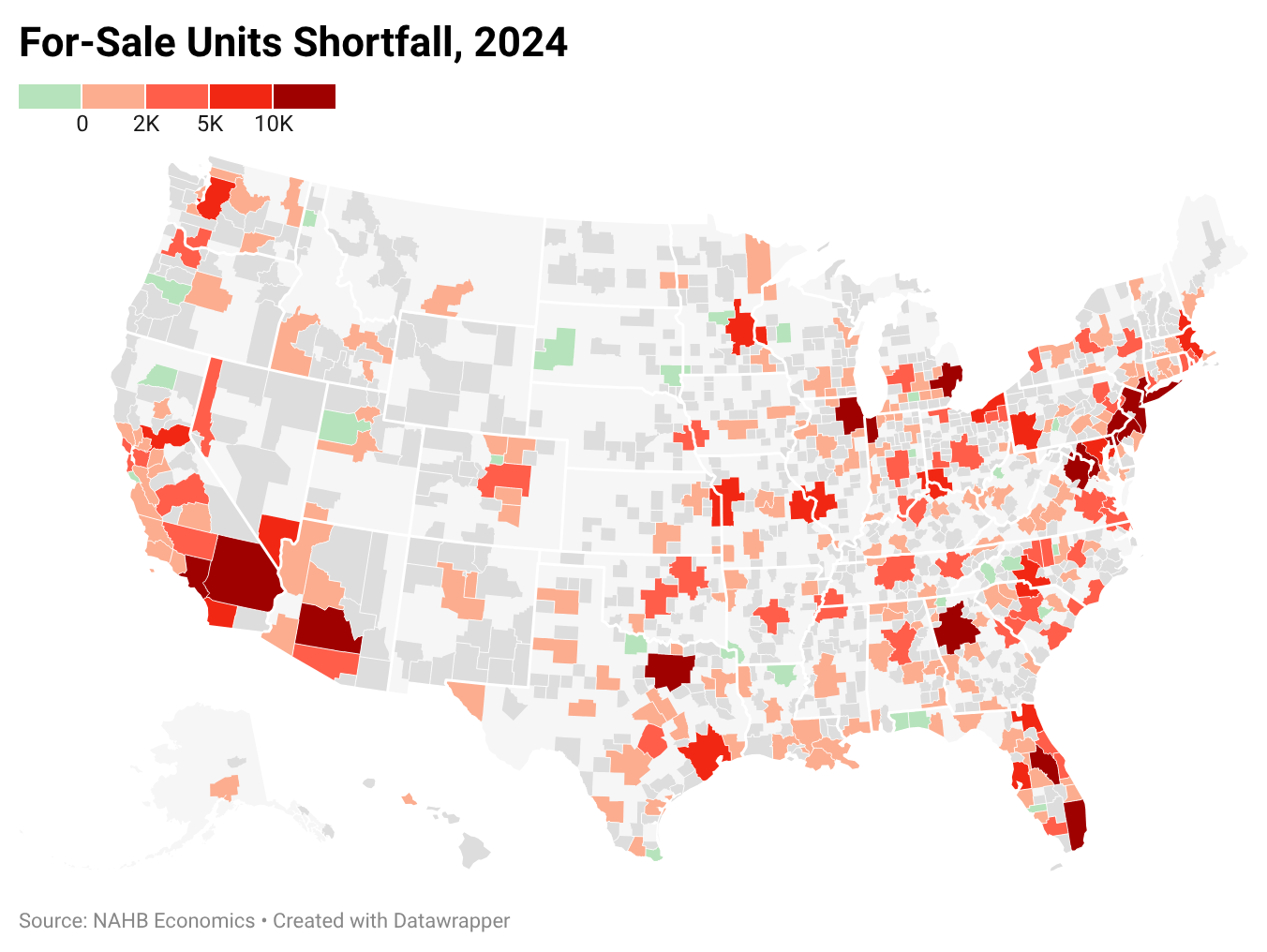
New data from Eye On Housing and the NAHB shows the U.S. remains short more than 1.2 million housing units, keeping pressure on both rents and home prices. Record‑low vacancy rates, slow single‑family construction, and restrictive zoning continue to fuel intense competition in 2024. Major metros like Chicago, New York, and Atlanta face some of the deepest deficits, and the true nationwide shortfall may be even higher when accounting for overcrowding and aging homes. For real estate professionals, the ongoing shortage means sustained demand, tighter inventory, and major opportunities for those who understand the evolving market.

AI Isn’t the Shiny Object Anymore — It’s the New System Driving Real Estate Success

Top real estate coach Jason Pantana says the divide between agents today isn’t about who has “tried” AI — it’s about who is immersed in it. In a new HousingWire interview, he explains why AI isn’t a gimmick but a full business system that amplifies output, improves authenticity, and reshapes how clients search for agents. From prompt mastery to AI‑driven visibility on Google, Pantana reveals how agents who commit even 15 minutes a day to learning AI are already outperforming those who hesitate.

DFW Commercial Real Estate 2025: Industrial Surges, Retail Shines, Office Struggles

Dallas–Fort Worth’s commercial real estate market closed 2025 with a split personality. Industrial dominated with massive new deliveries and soaring leasing demand, retail held steady with some of the market’s strongest fundamentals in years, and office continued to falter under remote‑work pressures. High vacancies, weak absorption, and rising demand for top‑tier space show the sector’s ongoing reset. Meanwhile, industrial and retail strength position the Metroplex for another powerhouse year heading into 2026.